Rigatoni Florentine
Rate this recipeBe the first to rate
 By AprilPublished
 Are you a pasta lover? Do you enjoy exploring new flavors and dishes?
 By AprilPublished
 Are you a pasta lover? Do you enjoy exploring new flavors and dishes?
Boil a large pot of water with a pinch of salt.
Cook the pasta in the boiling water for 8 to 10 minutes, or until it is cooked but still firm (al dente). Drain the pasta and set it aside.
In a large skillet, heat some oil over medium-high heat.
Add the chicken to the skillet and sauté it until it is fully cooked and no longer pink inside.
Add garlic to the skillet and continue sautéing until it turns golden.
Pour the cream and spaghetti sauce into the skillet and cook the mixture over medium heat for 10 to 15 minutes, or until the sauce thickens.
Add the cooked chicken and spinach to the skillet and cook until the spinach reduces in size.
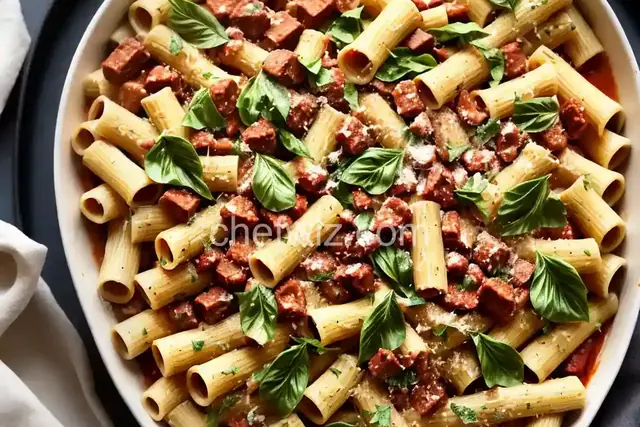
Lastly, add the rigatoni to the skillet and toss it with cheese.
Serve the dish.
Are you a pasta lover? Do you enjoy exploring new flavors and dishes? If so, get ready to tantalize your taste buds with Rigatoni Florentine. This mouthwatering Italian dish takes the traditional rigatoni pasta and elevates it to a whole new level. In this article, we will delve into the history of Rigatoni Florentine, discuss its unique characteristics, and provide some tips on how to make this delectable dish. So, grab your apron and let's dive in!
Like many Italian pasta dishes, Rigatoni Florentine has its roots in the rich culinary history of Florence. The city of Florence, known for its art, culture, and of course, food, is the birthplace of this delightful dish. The Florentine people, with their passion for fresh ingredients and simple yet flavorful recipes, created Rigatoni Florentine as a way to showcase the abundance of local produce and cheese.
What sets Rigatoni Florentine apart from other pasta dishes? Well, for starters, it's all in the sauce. The sauce for Rigatoni Florentine is a luscious blend of tomatoes, cream, and a medley of herbs and spices. This combination creates a velvety texture and a burst of flavors that will leave you craving for more.
Another standout feature of Rigatoni Florentine is the addition of spinach. The vibrant green leaves not only add a pop of color to the dish but also provide a healthy dose of vitamins and minerals. The spinach perfectly complements the creamy sauce and adds a fresh and earthy element to each bite.
Now that you know the basics of Rigatoni Florentine, let's dive into the kitchen and explore how to make this mouthwatering dish. Here are a few tips and tricks to ensure your Rigatoni Florentine turns out perfect every time:
Rigatoni Florentine is a delightful twist on a classic Italian pasta dish. With its creamy sauce, vibrant spinach, and perfectly cooked rigatoni, it's a culinary masterpiece that will impress your family and friends. So, why not give it a try? Head to your kitchen, gather the ingredients, and embark on a flavorful journey to Florence. Buon appetito!
A1: While rigatoni pasta is traditionally used for this dish, you can certainly experiment with other pasta shapes. Penne or fusilli would work well and still provide a similar texture and taste.
A2: Yes, Rigatoni Florentine is a vegetarian dish. It doesn't contain any meat or meat-based products. However, if you prefer, you can add cooked chicken or shrimp for an extra protein boost.
A3: Absolutely! Rigatoni Florentine can be made ahead of time and reheated when needed. Just make sure to store it in an airtight container in the refrigerator and reheat gently on the stovetop or in the oven.
A4: Yes, you can freeze Rigatoni Florentine. However, keep in mind that the texture of the pasta may slightly change after freezing. It's best to freeze the sauce and cook fresh pasta when you're ready to enjoy this delicious dish.
A5: Absolutely! If you're not a fan of spinach, you can substitute it with other greens like kale or Swiss chard. Just make sure to adjust the cooking time accordingly, as different greens have different textures.
A6: Yes, you can make a vegan version of Rigatoni Florentine by using plant-based milk and omitting the cheese. You can also experiment with vegan cheese alternatives to achieve a similar creamy texture.
A7: There are endless variations of Rigatoni Florentine that you can explore. You can add roasted vegetables like bell peppers or mushrooms, or even incorporate some spicy Italian sausage for an extra kick of flavor.
A8: While Rigatoni Florentine is typically enjoyed as a main dish, you can certainly serve it as a side dish alongside grilled chicken or fish. Its creamy and flavorful nature makes it a versatile accompaniment to various proteins.
AprilCook, recipe developer and the heart of Chefwiz. More about April