Rich Dark Fruitcake
Rate this recipeBe the first to rate
 By AprilPublished
 The holiday season brings with it an array of delectable treats that warm our hearts and tantalize our taste buds.
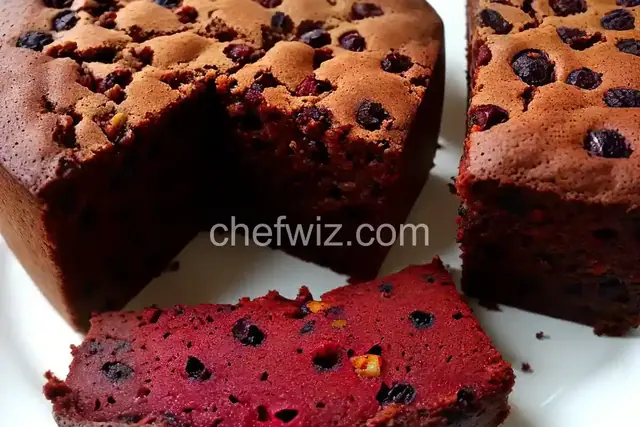 By AprilPublished
 The holiday season brings with it an array of delectable treats that warm our hearts and tantalize our taste buds.
Wash and dry the raisins and currants.
Wash, dry, pit, and chop the dates.
Chop the raisins and citrus peel.
Slice the cherries.
Blanch the almonds and slice them lengthwise.
Combine the fruits and nuts in a large bowl.
Grease and line three standard Christmas cake pans with layers of heavy waxed paper or brown paper.
Grease the pans again.
Preheat the oven to 275 degrees F (135 degrees C).
Sift together flour, baking powder, soda, salt, and spices onto a piece of waxed paper.
Set aside 1 cup of the flour mixture and combine it with the fruit and nuts, mixing until well coated.
Cream the butter until fluffy, then add extracts.
Gradually add sugar to the butter mixture, mixing until creamy.
Beat the egg yolks until light and lemon-colored, then beat them into the butter mixture.
Stir in the molasses and mix well.
Add half of the remaining flour mixture to the butter mixture and blend thoroughly.
Beat the egg whites until stiff but not dry, then fold them into the batter.
Stir in the remaining flour mixture alternately with grape juice and coffee.
Gently stir in the floured fruit and nuts until well distributed.
Fill each prepared cake tin
The holiday season brings with it an array of delectable treats that warm our hearts and tantalize our taste buds. Among these festive indulgences, one standout is the rich dark fruitcake. With its dense texture, fruity flavors, and aromatic spices, this traditional dessert has been a beloved centerpiece of celebrations for generations. In this article, we will explore the origins, ingredients, and enduring appeal of this timeless holiday delight.
The history of fruitcake can be traced back to ancient Rome, where a mixture of pomegranate seeds, pine nuts, and barley mash was considered a delicacy. However, it wasn't until the Middle Ages that fruitcake as we know it today began to take shape. Europeans discovered that by preserving fruits and nuts in sugar, they could create a cake that lasted for months, making it an ideal treat for long journeys and festive occasions.
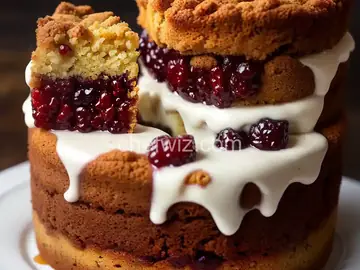
What sets rich dark fruitcake apart from other cakes is its unique blend of ingredients. Succulent dried fruits such as raisins, currants, and dates provide bursts of sweetness, while candied fruits add a vibrant touch of color. A generous amount of chopped nuts, such as walnuts or almonds, contribute to the cake's rich texture. Fragrant spices like cinnamon, nutmeg, and cloves infuse the cake with warm, comforting aromas.
One of the secrets to a moist and flavorful fruitcake lies in the soaking process. After baking, the cake is traditionally soaked in alcohol, typically rum or brandy, which not only enhances the taste but also helps to preserve the cake. This process allows the flavors to meld together and intensify over time, making the fruitcake even more delicious with age.
Despite its reputation for being polarizing, fruitcake has stood the test of time and continues to be a cherished holiday tradition in many cultures. Its dense texture and complex flavors make it a comforting treat during the colder months. It is often enjoyed with a cup of hot tea or a glass of mulled wine, adding to the sense of warmth and nostalgia that surrounds this festive dessert.
Furthermore, fruitcake is a symbol of abundance and generosity. It is often baked in large quantities and shared with family, friends, and neighbors as a gesture of goodwill and celebration. The act of gifting a fruitcake has become a tradition in itself, with recipients eagerly anticipating the arrival of this delicious treat.
Over the years, fruitcake has also evolved to suit various dietary preferences. Vegan and gluten-free versions have become increasingly popular, ensuring that everyone can partake in the joy of this holiday classic.
Rich dark fruitcake is more than just a cake – it is a symbol of tradition, celebration, and love. Its origins may lie centuries ago, but its appeal remains timeless. So, as the holiday season approaches, why not embrace the warmth and nostalgia of this delightful treat? Whether you savor it with a cup of tea or share it with loved ones, the rich dark fruitcake is sure to bring joy to your celebrations.
A1: Absolutely! While alcohol is traditionally used to soak the fruitcake, you can easily substitute it with fruit juice or flavored syrups for a non-alcoholic version.
A2: Fruitcakes have a long shelf life, thanks to the alcohol soaking process. When stored in an airtight container, they can last for several months, allowing you to enjoy them throughout the holiday season.
A3: Yes, fruitcakes freeze well. Simply wrap them tightly in plastic wrap and store them in a freezer-safe container. Thaw them in the refrigerator before serving.
A4: Absolutely! Fruitcakes are highly customizable. Feel free to experiment with your favorite dried fruits, nuts, and even spices to create a unique flavor profile.
A5: To prevent your fruitcake from drying out, you can brush it with a simple syrup or glaze before serving. This will help lock in moisture and keep the cake moist and flavorful.
A6: Yes, fruitcakes are known for their ability to improve with age. Baking them in advance and allowing them to mature for a few weeks will enhance the flavors and make them even more delicious.
A7: Absolutely! Fruitcakes provide a perfect canvas for creative decorations. You can use marzipan, icing, or even dried fruits and nuts to adorn the cake and make it a visually stunning centerpiece.
A8: While fruitcake is often associated with the holiday season, there's no rule against enjoying it year-round. Its rich flavors and dense texture make it a delightful treat for any occasion.
AprilCook, recipe developer and the heart of Chefwiz. More about April