Rice Pilaf
Rate this recipeBe the first to rate
 By AprilPublished
Are you looking for a simple yet flavorful dish that can be served as a side or main course?
 By AprilPublished
Are you looking for a simple yet flavorful dish that can be served as a side or main course?
Preheat the oven to 350 degrees.
In a 3-quart saucier, melt the butter over medium heat.
Stir in the onion, bell pepper, and 2 pinches of salt.
Reduce the heat to low and cook until the onion becomes translucent and aromatic, but not browned, for about 3 to 4 minutes.
Increase the heat to medium and add the rice. Stir frequently and cook until you smell a nutty aroma, which should take about 3 to 4 minutes.
Add the saffron and its water, broth, orange zest, bay leaves, and the remaining 1 1/2 teaspoons of salt. Increase the heat and bring it to a boil.
Prepare a clean towel by thoroughly wetting it. Turn off the heat and spread the peas on top of the rice. Place the wet towel over the saucier and cover it with the lid. Fold the corners of the towel over the lid.
Transfer the saucier (with the towel) to the oven and bake for 15 minutes.
Remove from the oven and let it rest at room temperature for an additional 15 minutes without opening the lid.
Remove the orange zest and bay leaves from the pilaf. Transfer the pilaf onto a platter and fluff it with a large fork. Garnish with raisins and pistachios.
Serve the
Are you looking for a simple yet flavorful dish that can be served as a side or main course? Look no further than rice pilaf! This versatile dish is a staple in many cuisines around the world and is loved for its delicious taste and fluffy texture. In this article, we will explore the wonders of rice pilaf, its many variations, and how you can make it at home to impress your family and friends.
Rice pilaf is a dish made by cooking rice in broth or stock, along with a variety of ingredients such as vegetables, herbs, and spices. The rice is first sautéed in butter or oil to enhance its nutty flavor before being cooked in a flavorful liquid. This cooking method gives the rice a fluffy and light texture, making it a delightful addition to any meal.
One of the best things about rice pilaf is its versatility. You can customize the dish to suit your taste preferences and the ingredients you have on hand. Here are some popular variations:
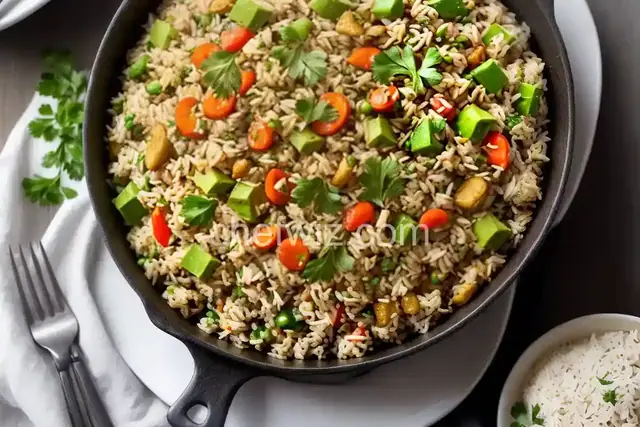
This version of rice pilaf is packed with colorful vegetables like carrots, peas, and bell peppers. The vegetables add a burst of flavor and nutrition, making it a wholesome and satisfying dish.
For a heartier option, you can add cooked chicken pieces to your rice pilaf. The chicken adds protein and makes the dish more substantial, perfect for a filling main course.
If you're a fan of mushrooms, you'll love this variation. Sautéed mushrooms add a rich and earthy flavor to the dish, making it a great side dish for meat or poultry.
For seafood lovers, adding shrimp, fish, or scallops to your rice pilaf can take it to a whole new level. The delicate flavors of the seafood pair beautifully with the seasoned rice, creating a restaurant-worthy dish.
Now that you know the basics and variations of rice pilaf, it's time to try making it at home. Here's a simple recipe to get you started:
And there you have it! A delicious and aromatic rice pilaf that's sure to impress. Serve it as a side dish or add protein and turn it into a satisfying main course.
Rice pilaf is a versatile and delicious dish that can be customized to suit your taste preferences and dietary needs. Whether you're looking for a flavorful side dish or a satisfying main course, rice pilaf is sure to impress. With its fluffy texture and aromatic flavors, it's no wonder rice pilaf is loved by so many. So give it a try and enjoy the wonders of this timeless dish!
Yes, you can definitely use brown rice for rice pilaf. Keep in mind that brown rice has a longer cooking time, so adjust the liquid and cooking time accordingly.
While it's traditionally made on the stovetop, you can adapt the recipe to be made in a rice cooker. Just follow the manufacturer's instructions and adjust the liquid and cooking time accordingly.
Yes, rice pilaf can be frozen for later use. Allow it to cool completely, then transfer it to airtight containers or freezer bags. When ready to eat, simply thaw and reheat in the microwave or on the stovetop.
Yes, rice pilaf is naturally gluten-free as long as you use gluten-free broth or stock and check the labels of any additional ingredients for potential gluten content.
Rice pilaf pairs well with a variety of dishes. It complements grilled meats, roasted vegetables, and salads. It can also be enjoyed on its own as a light and flavorful meal.
Absolutely! Adding toasted nuts like almonds or pine nuts can add a delightful crunch and extra flavor to your rice pilaf.
Yes, you can make rice pilaf in advance and reheat it before serving. Just make sure to store it properly in the refrigerator and reheat it gently to avoid drying out the rice.
If you want to add more color to your rice pilaf, consider adding diced bell peppers, grated carrots, or even saffron threads. The vibrant colors will make the dish visually appealing.
AprilCook, recipe developer and the heart of Chefwiz. More about April