Ribollita
Rate this recipeBe the first to rate
 By AprilPublished
 Do you ever crave a warm and comforting meal that satisfies both your taste buds and your soul?
 By AprilPublished
 Do you ever crave a warm and comforting meal that satisfies both your taste buds and your soul?
In a large saucepan, combine 8 cups of water, beans, sage, and sliced garlic.
Bring the mixture to a boil and then reduce the heat to low. Cover the saucepan and simmer for 2 to 2 1/2 hours, stirring occasionally and adding more water by 1/4 cupfuls if needed to keep the beans submerged. The cooking time may vary depending on the age of the beans.
Once the beans are tender, add 1 teaspoon of sea salt and simmer for an additional 10 minutes.
Uncover the saucepan and allow the beans to cool in the liquid. This can be done 1 day ahead. Cover and refrigerate in the cooking liquid.
Heat 3 tablespoons of oil in a large pot over medium heat.
Add the onion to the pot and sprinkle with sea salt. Cook until the onion becomes translucent, stirring often for about 5 minutes.
Stir in the chopped garlic and cook for an additional 2 minutes.
Add the celery, carrot, potato, fennel, and thyme to the pot. Cook until the vegetables are tender and begin to turn brown in spots, stirring often for 15 to 18 minutes.
Add the kale, chard, cabbage, tomatoes, Parmesan rind, 5 cups of water, and 1 teaspoon of sea salt to the pot. Bring to a boil and then reduce the
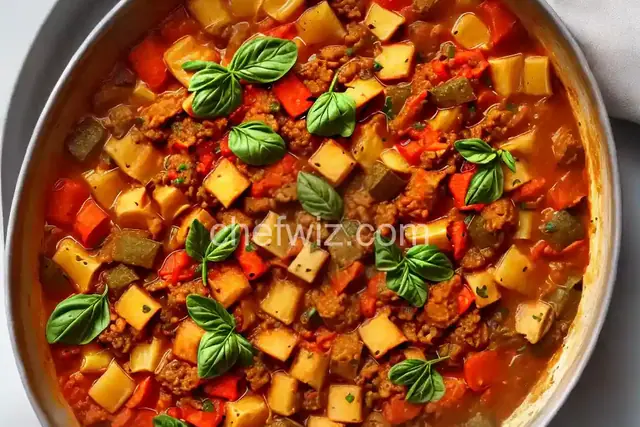
Do you ever crave a warm and comforting meal that satisfies both your taste buds and your soul? Look no further than ribollita, the hearty Italian classic that will leave you wanting more. This traditional Tuscan dish is a flavorful combination of vegetables, beans, and bread that's perfect for chilly nights or lazy Sundays. Let's dive into the world of ribollita and discover what makes it so special.
Ribollita, which means "reboiled" in Italian, is a rustic soup that originated in Tuscany. It was traditionally made by reheating leftover vegetable soup and adding stale bread to thicken it. Over time, ribollita evolved into a delicious one-pot meal packed with seasonal vegetables, cannellini beans, and Tuscan bread.
What sets ribollita apart from other soups is the unique combination of flavors and textures. The soft and creamy beans, the tender vegetables, and the crusty bread come together to create a symphony of tastes and sensations. It's like a warm hug on a cold day, providing comfort and nourishment in every spoonful.
Ribollita is all about using simple and fresh ingredients to create a robust and flavorful soup. The star of the show is the Tuscan bread, which is traditionally unsalted and stale. Its firm texture allows it to absorb the flavors of the soup without turning mushy. Other essential ingredients include:
While there are many variations of ribollita, the basic steps remain the same. It starts with sautéing the vegetables and garlic in olive oil until they become tender and fragrant. Then, the tomatoes, beans, and broth are added, and the soup is left to simmer and develop its flavors. The final touch is adding the stale bread, which soaks up the broth and thickens the soup. It's a simple yet magical process that turns humble ingredients into a hearty and satisfying meal.
Ribollita is best enjoyed the day after it's made, as the flavors intensify and meld together overnight. Serve it piping hot, garnished with a drizzle of extra virgin olive oil and a sprinkle of freshly grated Parmesan cheese. Pair it with a glass of red wine and a crusty baguette for a truly authentic experience. The combination of flavors, textures, and aromas will transport you straight to the rolling hills of Tuscany.
Ribollita is more than just a soup; it's a comforting and nourishing experience that brings people together. With its simple yet flavorful ingredients, this Tuscan classic has stood the test of time and continues to delight palates around the world. So, the next time you're in need of a soul-warming meal, why not try your hand at making ribollita? You won't be disappointed.
Absolutely! While cannellini beans are traditional, you can experiment with other varieties like borlotti beans or chickpeas for a unique twist.
You can, but using stale bread is recommended as it holds up better in the soup and absorbs the flavors more effectively.
Yes, ribollita freezes well. Just make sure to let it cool completely before transferring it to an airtight container and freezing.
Absolutely! Ribollita is naturally vegetarian, and you can easily make it vegan by using vegetable broth and omitting the Parmesan cheese garnish.
While ribollita is traditionally a vegetarian dish, you can add a touch of meaty flavor by incorporating a small amount of pancetta or bacon during the sautéing process.
Ribollita can be stored in the fridge for up to 4-5 days. Just make sure to reheat it thoroughly before serving.
Absolutely! Ribollita is a versatile dish, and you can add your favorite vegetables like zucchini, potatoes, or bell peppers to make it even heartier.
The best way to reheat ribollita is on the stovetop over low heat. Stir occasionally to prevent sticking and ensure that it heats evenly throughout.
AprilCook, recipe developer and the heart of Chefwiz. More about April