Ribollita (Hearty Tuscan Bean, Bread, and Vegetable Stew) Recipe
Rate this recipeBe the first to rate
 By AprilPublished
 Are you looking for a comforting and hearty dish to warm you up on a cold winter's day?
 By AprilPublished
 Are you looking for a comforting and hearty dish to warm you up on a cold winter's day?
In a large Dutch oven or soup pot, heat olive oil over medium heat. Add garlic and cook, stirring, until fragrant and lightly golden.
Add onion, leek, carrots, squash, turnip, and celery to the pot. Cook, stirring, until slightly softened but not browned, for about 5 minutes.
Add enough water to slightly cover the vegetables (approximately 6 cups or 1.5L). Also, add kale and bouquet garnis. Bring to a simmer over medium-high heat and then lower the heat to maintain the simmer. Cook until the vegetables are very tender, which should take about 25 minutes.
Stir in the beans and their cooking liquid (or 1 cup water if using canned beans). Add bread and stir well. Simmer until the bread is very soft and breaking down, about 15 minutes. If the soup becomes too thick and dry, add water, 1/2 cup at a time.
Season the soup with salt and pepper. The consistency of the soup can vary: it can be more wet and broth-like, like a thick, chunky soup, or it can be cooked down until thickened like a porridge.
If you prefer a thick porridge consistency, ladle some of the soup into a small nonstick skillet (8-inch) with 1 tablespoon of oil. Cook over medium-high heat, stirring frequently, until it coalesces into a
Are you looking for a comforting and hearty dish to warm you up on a cold winter's day? Look no further than Ribollita, a traditional Tuscan bean bread and vegetable stew that is as delicious as it is satisfying. This rustic Italian dish is packed with flavors and textures that will leave you craving for more. Let's dive into the world of Ribollita and discover why it has become a staple in Tuscan cuisine.
Ribollita, which means "reboiled" in Italian, is a dish that has its roots in the frugality of Tuscan peasant cooking. It was traditionally made by reheating leftover vegetable soup and adding stale bread to thicken it. Over time, Ribollita has evolved into a culinary masterpiece that showcases the simplicity and elegance of Tuscan cuisine.
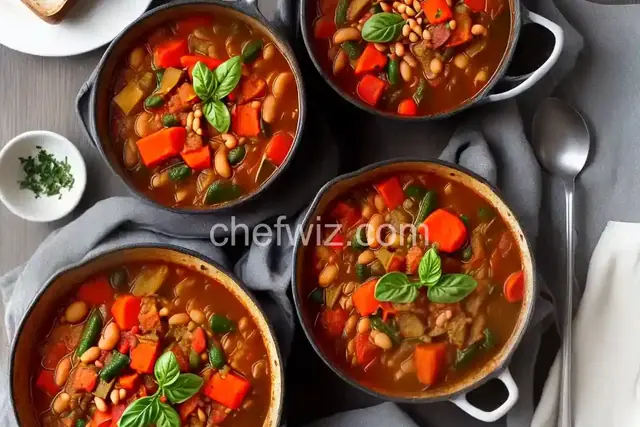
What makes Ribollita unique is its combination of simple, humble ingredients that come together to create a symphony of flavors. The star of the show is cannellini beans, which provide a creamy texture and a nutty flavor. Alongside the beans, you'll find an array of vegetables such as kale, carrots, celery, and onions, each adding their own distinct taste and aroma.
Preparing Ribollita is a labor of love. It starts with sautéing onions, carrots, and celery in olive oil until they become soft and fragrant. Then, you add the kale and let it wilt down, releasing its earthy flavors. Next, you add the cannellini beans and vegetable stock, allowing the stew to simmer and develop its rich taste. Finally, you tear up stale bread and add it to the pot, letting it soak up the flavors and thicken the stew.
When you take your first spoonful of Ribollita, you'll be transported to the rolling hills of Tuscany. The combination of the creamy beans, tender vegetables, and hearty bread creates a symphony of flavors that are both comforting and indulgent. The stew is rich and thick, with a depth of flavors that only get better with time.
Ribollita is a versatile dish that can be enjoyed all year round. In the colder months, it warms you up from the inside out, providing much-needed comfort on chilly evenings. In the warmer months, it can be served at room temperature, making it a refreshing and satisfying meal on hot summer days. No matter the season, Ribollita is a dish that brings people together and nourishes both body and soul.
Ribollita is more than just a stew. It's a taste of Tuscany, a celebration of simplicity, and a comfort food that nourishes both body and soul. With its rich flavors and hearty ingredients, Ribollita is a dish that will leave you feeling warm, satisfied, and craving for more. So why not gather your loved ones, prepare a pot of Ribollita, and embark on a culinary journey to the heart of Tuscany?
Yes, you can experiment with different types of beans to suit your taste. Chickpeas, kidney beans, or even black beans would work well in Ribollita.
Absolutely! In fact, Ribollita tastes even better the next day as the flavors have had time to meld together. Just reheat it gently on the stovetop and enjoy.
Yes, Ribollita is traditionally a vegetarian dish. However, you can add pancetta or bacon for additional depth of flavor if you prefer.
Yes, Ribollita freezes well. Just make sure to let it cool completely before transferring it to an airtight container and freezing. Thaw it in the refrigerator overnight before reheating.
Ribollita is a complete meal on its own, but you can serve it with a crusty bread or a simple green salad for a refreshing contrast.
Absolutely! Ribollita is a forgiving dish that can be customized to your liking. Feel free to add or substitute vegetables based on your preferences or what you have on hand.
Yes, you can use gluten-free bread or omit the bread altogether to make Ribollita gluten-free.
Ribollita can be stored in the refrigerator for up to 3-4 days. Just make sure to reheat it thoroughly before serving.
AprilCook, recipe developer and the heart of Chefwiz. More about April