Rib Dry Rub
Rate this recipeBe the first to rate
 By AprilPublished
When it comes to barbecuing ribs, one of the key elements that can take your dish from good to amazing is the dry rub.
 By AprilPublished
When it comes to barbecuing ribs, one of the key elements that can take your dish from good to amazing is the dry rub.
In a medium bowl, use a fork to whisk the brown sugar until it reaches a consistent texture without any chunks. Remove and discard any hard chunks that you come across.
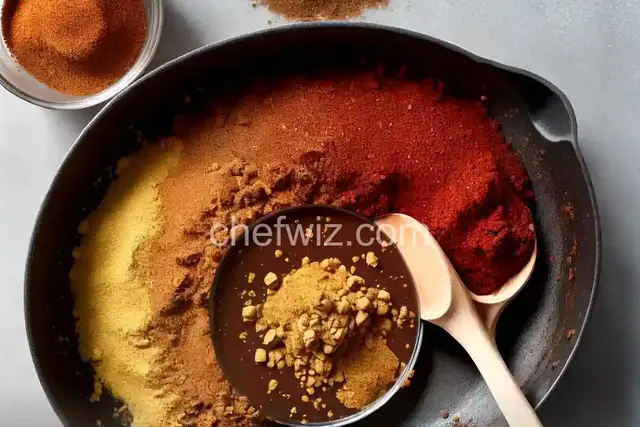
Add the kosher salt, black pepper, onion powder, garlic powder, mustard powder, ginger, cumin, chili powder, paprika, white pepper, celery salt, allspice, cinnamon, and cayenne pepper to the bowl. Mix well to ensure all the ingredients are evenly combined.
Use the mixture as desired on beef or pork ribs.
If you don't have celery salt, you can substitute it with ground celery seed.
When it comes to barbecuing ribs, one of the key elements that can take your dish from good to amazing is the dry rub. A well-balanced and flavorful dry rub can enhance the natural taste of the meat and add a delicious crust to the ribs. In this article, we will explore the art of creating and using a rib dry rub to elevate your barbecue game.
Think of a dry rub as the seasoning that brings your ribs to life. It's a blend of various herbs, spices, and seasonings that work together to create a symphony of flavors. Just like a painter uses different colors to create a masterpiece, a dry rub adds depth and complexity to your ribs.
Whether you prefer a sweet and smoky flavor or a spicy kick, a well-crafted dry rub can cater to your taste buds. It's all about finding that perfect balance of flavors that will make your ribs irresistible.
Creating a mouthwatering dry rub starts with choosing the right ingredients. You want to select a combination of spices and herbs that complement the natural flavors of the ribs. Think about the overall flavor profile you want to achieve and select ingredients accordingly.
Some common ingredients to consider are paprika, brown sugar, garlic powder, onion powder, chili powder, cayenne pepper, salt, and black pepper. Each ingredient brings its unique taste to the mix, and experimenting with different ratios can help you find your signature dry rub.
Once you have your dry rub ready, it's time to apply it to the ribs. Ensure that the meat is dry before you start. Pat it with a paper towel to remove any moisture. This will allow the dry rub to stick to the meat better.
Generously coat the ribs with the dry rub, making sure to cover all sides. Use your hands to massage the rub into the meat, allowing the flavors to penetrate. It's like giving your ribs a tasty massage!
After applying the dry rub, it's essential to let the flavors infuse into the meat. You can wrap the ribs in plastic wrap or aluminum foil and refrigerate them for a few hours or overnight. This resting period allows the flavors to meld together, resulting in a more intense and delicious taste.
Now that you have your perfectly seasoned ribs, it's time to cook them to perfection. Whether you choose to grill, smoke, or bake your ribs, the dry rub will add a flavorful crust to the meat.
Remember to cook the ribs low and slow to ensure tenderness and juiciness. The dry rub will create a caramelized coating on the outside, while the meat remains juicy and flavorful on the inside. It's a winning combination!
Once the ribs are cooked, you can choose to serve them as they are or add a finishing touch with your favorite barbecue sauce. The dry rub will already provide a burst of flavors, but a sauce can complement and enhance the taste even further.
Whether you prefer a tangy vinegar-based sauce or a sweet and smoky one, it's entirely up to you. The dry rub serves as the foundation, and the sauce adds that extra layer of flavor.
A well-crafted rib dry rub is the secret ingredient that can elevate your barbecued ribs to new heights. With the right combination of spices, herbs, and seasonings, you can create a flavor profile that tantalizes your taste buds. So, why settle for mediocre ribs when you can add a burst of flavor with a delicious dry rub?
Yes, dry rubs work well on various meats, including chicken, pork, and beef. Feel free to experiment and find your favorite combinations!
A resting period of at least 1-2 hours is recommended, but overnight is even better. This allows the flavors to penetrate the meat and intensify.
Absolutely! If you prefer a milder taste, reduce the amount of spicy ingredients like cayenne pepper or chili powder. Likewise, if you like it hot, feel free to increase the amount.
Yes, pre-made dry rubs are readily available in stores and can be a convenient option. However, making your own allows you to customize the flavors to your liking.
It's recommended to remove the membrane from the back of the ribs before applying the dry rub. This allows the flavors to penetrate the meat more effectively.
Yes, you can store any unused dry rub in an airtight container or jar for future use. Keep it in a cool, dry place for optimal freshness.
Absolutely! Dry rubs can add flavor to grilled vegetables, tofu, or plant-based meats. Adjust the ingredients to suit your dietary preferences.
Yes, dry rubs are versatile and work well for both grilling and oven-baking. The dry rub will still create a flavorful crust, even without the smokiness from grilling.
AprilCook, recipe developer and the heart of Chefwiz. More about April