Reverse-Seared Steak Recipe
Rate this recipeBe the first to rate
 By AprilPublished
 Are you tired of cooking steaks that turn out dry and flavorless?
 By AprilPublished
 Are you tired of cooking steaks that turn out dry and flavorless?
Season the steak(s) generously with salt and pepper.
If desired, place the steak(s) on a wire rack set in a rimmed baking sheet and refrigerate, uncovered, overnight to dry out the exterior. Otherwise, proceed to the next step.
Set the steak(s) on a wire rack set in a rimmed baking sheet.
Preheat the oven to a temperature between 200 and 275°F (93 and 135°C). If your oven can go lower, you can set it to an even lower temperature, but it will take longer to cook.
Place the steak(s) in the oven and cook until an instant-read thermometer registers 105°F (41°C) for rare, 115°F (46°C) for medium-rare, 125°F (52°C) for medium, or 135°F (57°C) for medium-well. This will take about 20 minutes for rare steak and up to about 40 minutes for medium-well. Cooking time may vary, so check often.
Just before the steak(s) come out of the oven, add 1 tablespoon (15ml) oil to a cast iron, carbon steel, or heavy stainless steel skillet and heat over high heat until smoking.
Add the steak(s) and butter to the skillet and cook until each side is well browned, about 45 seconds per side. Use tongs to hold the steak(s) sideways to
Are you tired of cooking steaks that turn out dry and flavorless? Do you want to impress your guests with a perfectly cooked, juicy piece of meat? Look no further than the reverse-sear method! In this article, we will delve into the world of reverse-seared steaks and discover why it's the ultimate technique for achieving mouthwatering results.
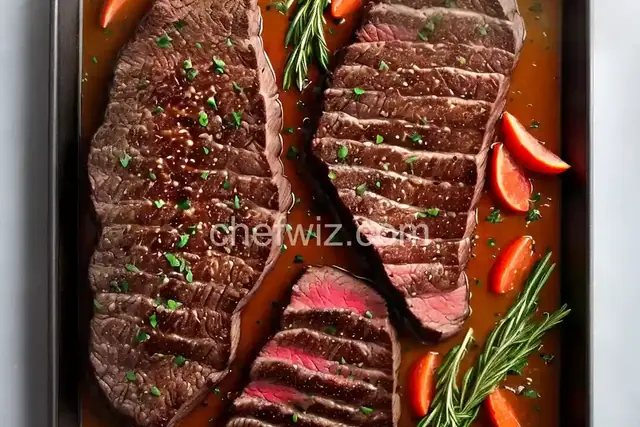
Imagine this: you bite into a steak that is perfectly seared on the outside, with a beautiful caramelized crust, and a tender, pink center that melts in your mouth. That's what the reverse-sear method is all about. Unlike the traditional searing method, where the steak is seared first and then finished in the oven, the reverse-sear method involves slow-cooking the steak in the oven first, followed by a quick sear on high heat to achieve that crispy outer crust.
The reverse-sear method offers several advantages over the traditional searing method. By slow-cooking the steak in the oven, you ensure that it cooks evenly from edge to edge. This gentle cooking process allows the meat to retain its moisture, resulting in a juicy and tender steak. Additionally, the slow-cooking process allows the steak to reach the desired internal temperature more accurately, giving you more control over the doneness of your steak.
Now that we understand the benefits of the reverse-sear method, let's dive into the steps to achieve that perfect steak:
And there you have it! A perfectly reverse-seared steak that is sure to impress even the most discerning steak connoisseur.
While you can reverse-sear any cut of steak, thicker cuts like ribeye, New York strip, and filet mignon are ideal for this method. The slow-cooking process ensures that these cuts are cooked to perfection without drying out.
Absolutely! The reverse-sear method can be done on a gas grill by using indirect heat. Simply preheat one side of the grill and place the steak on the opposite side. Close the lid, and let the steak cook slowly until it reaches the desired internal temperature. Then, sear it on high heat for a few minutes on each side.
The cooking time in the oven will vary depending on the thickness of your steak and the desired level of doneness. As a general guideline, aim for about 20-30 minutes for medium-rare, 30-40 minutes for medium, and 40-50 minutes for medium-well. However, it's always best to rely on a meat thermometer to ensure perfect cooking.
Yes, resting the steak is crucial after reverse-searing. This allows the juices to redistribute and the steak to relax, resulting in a more tender and flavorful bite.
Absolutely! Seasoning the steak before slow-cooking it allows the flavors to penetrate the meat and enhances the overall taste. Don't be afraid to get creative with your seasonings!
Yes, you can reverse-sear frozen steaks. However, keep in mind that the cooking time will be longer due to the frozen state of the meat. It's best to thaw the steak before reverse-searing for more precise cooking.
While the reverse-sear method is commonly used for steak, you can also apply it to other meats like pork chops, lamb chops, or even a whole chicken. The slow-cooking process ensures that the meat is cooked evenly and retains its moisture.
Yes, you can reverse-sear multiple steaks at once. However, keep in mind that the cooking time may vary depending on the thickness of each steak. It's essential to use a meat thermometer to ensure that all the steaks reach the desired internal temperature.
In conclusion, the reverse-sear method is a game-changer when it comes to cooking the perfect steak. By slow-cooking the steak in the oven first and then searing it, you achieve a steak that is juicy, tender, and bursting with flavor. So why settle for anything less when you can enjoy a restaurant-quality steak right in the comfort of your own home?
AprilCook, recipe developer and the heart of Chefwiz. More about April