Reverse Seared Ribeye
Rate this recipeBe the first to rate
 By AprilPublished
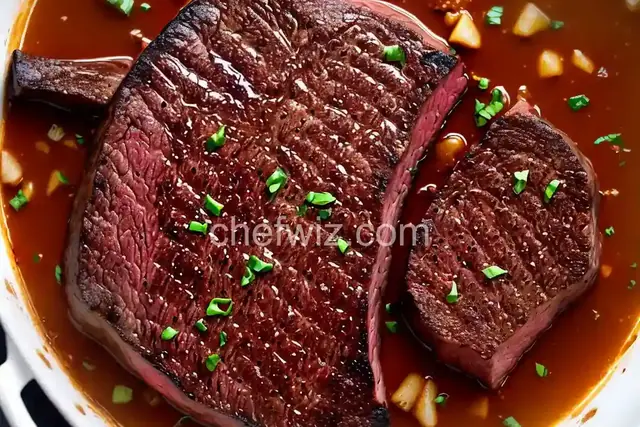
 Have you ever tried reverse searing a ribeye steak? If not, you're in for a mouthwatering treat!
 By AprilPublished
 Have you ever tried reverse searing a ribeye steak? If not, you're in for a mouthwatering treat!
Preheat the oven to 225 degrees F.
Generously season all sides of the rib-eyes with salt and pepper.
Place the seasoned rib-eyes on a baking sheet lined with a wire rack.
Bake the rib-eyes in the oven until the desired internal temperature is reached: 105 degrees F for rare, 115 degrees F for medium rare, and 125 degrees F for medium. This should take approximately 1 1/2 to 2 hours.
After removing the rib-eyes from the oven, loosely cover them with aluminum foil while preheating a skillet.
Heat a cast-iron skillet over medium-high heat.
Add oil to the skillet and then sear the rib-eyes on the first side for about a minute.
Flip the rib-eyes and add butter to the skillet.
Once the butter has melted, continue cooking the rib-eyes, continuously basting them with the melted butter, until the second side is seared (approximately 45 seconds).
Also sear the fat cap of the rib-eyes for 30 seconds to 1 minute to crisp it up.
Slice the rib-eyes and serve immediately, spooning the pan juices over each slice.
The reverse sear method used in this recipe eliminates the need to rest the meat before serving.
Have you ever tried reverse searing a ribeye steak? If not, you're in for a mouthwatering treat! Reverse searing is a cooking method that involves slow cooking the steak first and then finishing it off with a quick sear. This technique ensures a perfectly cooked steak with a deliciously tender and juicy interior, and a beautifully caramelized crust on the outside.
Unlike traditional methods where the steak is seared first and then cooked, reverse searing allows for more control over the cooking process. By slowly cooking the steak at a low temperature in the oven or on a grill, you can ensure that it cooks evenly from edge to edge. This method is especially great for thicker cuts of meat like ribeye, as it prevents the steak from becoming overcooked on the outside while still being undercooked in the middle.
To reverse sear a ribeye steak, start by preheating your oven to a low temperature, around 275°F (135°C). Season your steak with your favorite spices and place it on a wire rack set over a baking sheet. This allows for even air circulation and prevents the steak from becoming soggy.
Place the ribeye in the preheated oven and cook it for about 20-30 minutes, or until it reaches your desired level of doneness. Use a meat thermometer to ensure that the internal temperature reaches around 125°F (52°C) for medium-rare, 135°F (57°C) for medium, or 145°F (63°C) for medium-well.
Once the ribeye has reached the desired internal temperature, remove it from the oven and let it rest for a few minutes. Meanwhile, preheat a skillet or grill pan over high heat. Add some oil or butter to the hot pan and sear the steak for about 1-2 minutes on each side, or until a golden brown crust forms.
After searing, transfer the ribeye to a cutting board and let it rest for a few minutes. This allows the juices to redistribute throughout the steak, resulting in a more flavorful and tender bite. Finally, slice the ribeye against the grain and serve it with your favorite side dishes.
In conclusion, reverse searing is a fantastic method for cooking a ribeye steak to perfection. The slow cooking process ensures a tender and juicy interior, while the quick sear creates a mouthwatering crust. So why not give the reverse searing method a try and elevate your steak game to a whole new level?
Absolutely! While ribeye is a popular choice for reverse searing, you can also use other cuts such as New York strip, filet mignon, or even a thick-cut sirloin.
Yes, you can! Simply set up your grill for indirect heat by placing the coals on one side and the steak on the other. Close the lid and let the steak cook slowly until it reaches the desired internal temperature.
It's best to let the steak rest for about 5-10 minutes after reverse searing. This allows the juices to redistribute and ensures a more tender and flavorful steak.
Absolutely! Seasoning the steak before slow cooking allows the flavors to penetrate the meat. You can use a simple salt and pepper seasoning or get creative with your favorite spices and herbs.
Yes, you can reverse sear a frozen steak. Just make sure to adjust the cooking time accordingly, as it will take longer for the steak to reach the desired internal temperature.
Absolutely! If you don't have an oven, you can use a grill or even a stovetop with a low-temperature setting. The key is to slow cook the steak first and then finish it with a quick sear.
Yes, you can reverse sear a steak to well-done. Simply cook the steak to an internal temperature of around 155°F (68°C) for well-done.
Reverse seared ribeye pairs well with a variety of side dishes such as roasted vegetables, mashed potatoes, grilled asparagus, or a fresh salad.
AprilCook, recipe developer and the heart of Chefwiz. More about April