Restaurant Style Mac and Cheese
Rate this recipeBe the first to rate
 By AprilPublished
 Who doesn't love a good mac and cheese? It's comfort food at its finest, a classic dish that brings back memories of childhood and warm family dinners.
 By AprilPublished
 Who doesn't love a good mac and cheese? It's comfort food at its finest, a classic dish that brings back memories of childhood and warm family dinners.
Start by bringing a generous amount of water to a boil in a large pot and add a pinch of salt.
Add the pasta to the boiling water and cook it for approximately 8 to 10 minutes, or until it reaches a firm yet tender texture (al dente).
Once cooked, drain the pasta using a colander or strainer.
Return the drained pasta back to the pot.
Add the processed cheese, Cheddar cheese, and cream to the pot with the pasta.
Stir the mixture continuously until all the cheeses have fully melted and combined with the pasta.
Finally, sprinkle a small amount of salt over the dish to enhance the flavors.
Who doesn't love a good mac and cheese? It's comfort food at its finest, a classic dish that brings back memories of childhood and warm family dinners. But have you ever wondered how to make mac and cheese that tastes just like the one you get at your favorite restaurant? Well, wonder no more! In this article, we'll explore the secrets to making restaurant-style mac and cheese that will have your taste buds singing.
One of the keys to achieving that creamy, gooey goodness that you find in restaurant mac and cheese is the cheese blend. It's all about finding the perfect combination of cheeses that melt well and complement each other in flavor. Think of it as a symphony of flavors, each cheese playing its part to create a harmonious dish.
Do you want your mac and cheese to be rich and velvety or light and creamy? The choice is yours! Experiment with different combinations of cheeses to find the perfect balance. A blend of sharp cheddar for flavor, Monterey Jack for creaminess, and a touch of Gruyere for depth can create a mac and cheese that will make your taste buds dance.
Not all cheeses are created equal when it comes to melting. Some cheeses, like cheddar and Monterey Jack, melt beautifully and create that smooth, silky texture we crave. Others, like Parmesan or feta, don't melt as well and can create a grainy texture. So, when selecting your cheeses, make sure to choose ones that are known for their melting properties.
While the cheese blend is essential, the sauce is what brings everything together. The secret to a velvety, luscious sauce lies in the roux. A roux is a mixture of equal parts fat and flour, cooked together until it forms a paste. This paste is then used as a base to thicken sauces.
Creating a roux may sound intimidating, but it's actually quite simple. Start by melting butter in a saucepan over medium heat, then add an equal amount of flour and whisk until smooth. Cook the mixture for a couple of minutes, stirring constantly, until it turns a light golden color. This step is crucial as it removes the raw flour taste and adds a nutty flavor to the sauce.
Once the roux is ready, it's time to add the liquid. Traditional mac and cheese recipes call for milk, but you can also use a combination of milk and cream for an extra indulgent sauce. Slowly whisk in the liquid, making sure to incorporate it into the roux until smooth. Continue cooking and whisking until the sauce thickens and coats the back of a spoon.
Mac and cheese wouldn't be complete without the pasta. To achieve that restaurant-style mac and cheese, choose a pasta shape that can hold onto the sauce. Elbow macaroni is the classic choice, but other shapes like cavatappi or penne can work just as well.
Cooking pasta may seem simple, but there are a few tricks to ensure it's cooked to perfection. First, always cook your pasta al dente, which means it should still have a slight bite to it. This will prevent it from becoming mushy when combined with the sauce. And don't forget to generously salt the pasta water; this is your chance to season the pasta from the inside out.
Now that you have your perfect cheese blend, creamy sauce, and perfectly cooked pasta, it's time to bring them all together. Drain the pasta, reserving a little bit of the cooking water. Add the pasta to the sauce, along with the cheese blend, and stir until everything is well combined and the cheese is melted.
And there you have it! Your very own restaurant-style mac and cheese that will rival any you've ever had. So go ahead, indulge in this cheesy delight and savor every bite.
Absolutely! Experiment with different cheese combinations to find your favorite blend.
Yes! You can prepare mac and cheese ahead of time and then reheat it in the oven or on the stovetop.
Of course! Feel free to add cooked broccoli, peas, or any other vegetables you enjoy to add some extra flavor and nutrition.
While a roux helps create a creamy sauce, you can make mac and cheese without it. Look for recipes that use alternative methods like evaporated milk or cream cheese.
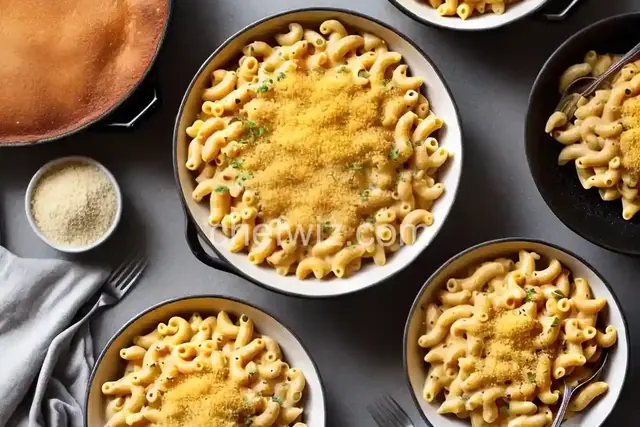
To achieve that crispy, golden top, sprinkle breadcrumbs or grated cheese over the mac and cheese before baking it in the oven.
Absolutely! There are many gluten-free pasta options available that work great in mac and cheese recipes.
Yes! Mac and cheese can be frozen in an airtight container for up to three months. Just be sure to thaw it before reheating.
Certainly! Cooked bacon, ham, or even shredded chicken can be delicious additions to your mac and cheese.
If you're lactose intolerant or don't have milk on hand, you can use alternatives like almond milk, coconut milk, or even chicken broth to create a creamy sauce.
In conclusion, making restaurant-style mac and cheese is all about finding
AprilCook, recipe developer and the heart of Chefwiz. More about April