Red Cabbage
Rate this recipeBe the first to rate
 By AprilPublished
 When it comes to adding color and nutrition to your plate, red cabbage stands out as a true superstar.
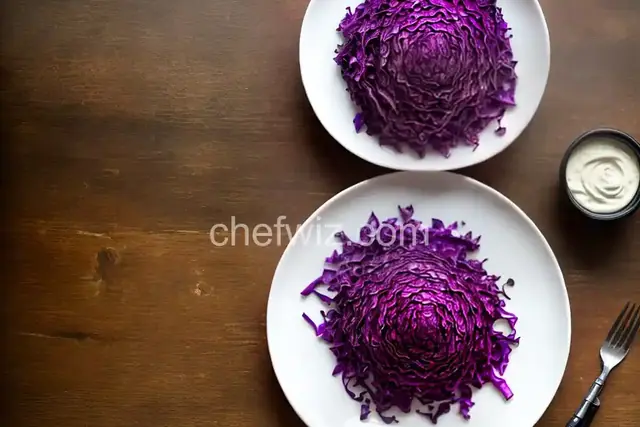 By AprilPublished
 When it comes to adding color and nutrition to your plate, red cabbage stands out as a true superstar.
In a large saucepan, heat water over high heat.
Add cabbage, apples, vinegar, brown sugar, 1 tablespoon butter, cinnamon, allspice, and cloves to the saucepan.
Bring the mixture to a boil.
Reduce the heat, cover the saucepan, and let it simmer for about 45 minutes, stirring occasionally, until the cabbage is tender.
Before serving, stir in the remaining 1 tablespoon of butter.
When it comes to adding color and nutrition to your plate, red cabbage stands out as a true superstar. With its vibrant purple hue and numerous health benefits, this cruciferous vegetable is a must-have in any well-balanced diet. In this article, we will explore the nutritional value of red cabbage, its potential health benefits, and how to incorporate it into your meals for a delightful culinary experience.
Red cabbage is a nutritional powerhouse, packed with vitamins, minerals, and antioxidants. It is an excellent source of vitamin C, which plays a crucial role in supporting the immune system and promoting collagen production for healthy skin. Additionally, red cabbage is rich in vitamin K, essential for blood clotting and bone health.
Not only is red cabbage low in calories, but it also contains dietary fiber, making it a great choice for weight management and digestive health. The fiber content helps regulate bowel movements, prevents constipation, and supports a healthy gut microbiome.
1. Anti-inflammatory properties: Red cabbage contains a compound called anthocyanins, which gives it its vibrant color. These anthocyanins have powerful anti-inflammatory effects, helping to reduce inflammation in the body and potentially lowering the risk of chronic diseases such as heart disease and cancer.
2. Antioxidant-rich: The antioxidants found in red cabbage, including vitamin C and anthocyanins, help protect the body against oxidative stress caused by free radicals. By neutralizing these harmful molecules, red cabbage may contribute to overall health and well-being.
3. Cancer-fighting potential: The phytochemicals present in red cabbage, such as sulforaphane and indole-3-carbinol, have been shown to have anti-cancer properties. They may help inhibit the growth of cancer cells and reduce the risk of certain types of cancer, including breast, colon, and lung cancer.
Now that we understand the incredible health benefits of red cabbage, let's explore some delicious ways to incorporate it into our meals.
1. Raw in salads: Red cabbage adds a delightful crunch and vibrant color to salads. Try shredding it finely and tossing it with your favorite dressing, along with other fresh vegetables and toppings.
2. Stir-fries and sautés: Red cabbage holds up well when cooked, making it a perfect addition to stir-fries and sautés. Its slightly sweet and earthy flavor pairs beautifully with other vegetables, proteins, and aromatic spices.
3. Fermented red cabbage: Fermenting red cabbage not only enhances its flavor but also boosts its probiotic content. Sauerkraut, a traditional fermented cabbage dish, is an excellent way to enjoy the benefits of red cabbage while promoting a healthy gut microbiome.
Red cabbage is not only a visual delight but also a nutritional powerhouse that can contribute to your overall well-being. Its impressive array of vitamins, minerals, and antioxidants offer numerous health benefits, from supporting the immune system to reducing inflammation and potentially fighting cancer. By incorporating red cabbage into your meals, you can elevate both the taste and nutritional value of your dishes. So why not add a splash of purple to your plate and experience the wonders of red cabbage?
Yes! Red cabbage is low in calories and high in dietary fiber, making it an excellent choice for weight loss. The fiber content helps you feel full for longer, reducing the chances of overeating.
Absolutely! Red cabbage is rich in dietary fiber, which promotes healthy digestion and prevents constipation. It also supports a healthy gut microbiome, essential for optimal digestion and nutrient absorption.
While red cabbage is generally safe to consume, some individuals may experience gas or bloating due to its high fiber content. If you have any specific dietary concerns or medical conditions, it's best to consult with a healthcare professional.
Yes! Red cabbage is an excellent source of vitamin C, which plays a vital role in supporting the immune system. Consuming red cabbage regularly can help strengthen your body's defenses against infections and illnesses.
Absolutely! Red cabbage can be enjoyed raw in salads, slaws, or as a crunchy topping. Just make sure to wash it thoroughly and remove any tough outer leaves before consuming.
Yes, it does! Red cabbage contains anthocyanins, which have potent anti-inflammatory effects. Regular consumption of red cabbage may help reduce inflammation in the body, which is associated with various chronic diseases.
Indeed! The antioxidants and anti-inflammatory compounds found in red cabbage can contribute to heart health. They may help lower cholesterol levels, reduce blood pressure, and improve overall cardiovascular function.
To keep red cabbage fresh, store it in the refrigerator. Wrap the cabbage tightly in plastic wrap or place it in a sealed container to prevent moisture loss. It can stay fresh for up to two weeks when stored properly.
AprilCook, recipe developer and the heart of Chefwiz. More about April