Real Traditional Irish Soda Bread
Rate this recipeBe the first to rate
 By AprilPublished
 Are you craving a taste of Ireland? Look no further than real traditional Irish soda bread.
 By AprilPublished
 Are you craving a taste of Ireland? Look no further than real traditional Irish soda bread.
Preheat a skillet, griddle, or cast-iron frying pan over medium-low heat.
In a bowl, combine the flour and salt. Sift in the baking soda.
Create a well in the center of the flour mixture and pour in the buttermilk.
Quickly stir the mixture together until it forms a dough.
Transfer the dough onto a floured work surface and knead it a few times until it comes together.
Gently shape the dough into a flattened, round cake that is about 1/2 inch thick.
Use a floured knife to cut the round into quarters.
Sprinkle a small amount of flour into the hot skillet.
Cook the dough wedges for 6 to 8 minutes on each side, or until they become golden brown.
Are you craving a taste of Ireland? Look no further than real traditional Irish soda bread. This delightful bread is a staple in Irish households and brings a sense of warmth and comfort to any meal. In this article, we will explore the origins of Irish soda bread, its unique ingredients, and how to bake it to perfection.
Irish soda bread has a rich history that dates back centuries. It originated in Ireland during a time when baking soda became a popular ingredient. Soda bread was a simple and affordable way for Irish families to enjoy freshly baked bread without the need for yeast.
With its humble beginnings, Irish soda bread quickly became a beloved part of Irish cuisine. It was a staple in households across the country, especially during times when wheat was scarce. The bread provided sustenance and comfort during challenging times.
What sets Irish soda bread apart from other breads is its simplicity and unique ingredients. Traditional Irish soda bread is made with just four basic ingredients: flour, baking soda, salt, and buttermilk.
The use of buttermilk in Irish soda bread creates a tender and moist texture. It also adds a slight tangy flavor that pairs well with savory dishes. The baking soda reacts with the acidic buttermilk, creating carbon dioxide bubbles that give the bread its signature texture.
Baking your own real traditional Irish soda bread is a rewarding experience that will fill your home with a delightful aroma. Here's how you can do it:
Before you begin, gather all the necessary ingredients: flour, baking soda, salt, and buttermilk. Ensure that all your ingredients are fresh for the best results.
In a large mixing bowl, combine the flour, baking soda, and salt. Mix well to ensure that the dry ingredients are evenly distributed.
Pour the buttermilk into the dry ingredient mixture and stir until a sticky dough forms. Be careful not to overmix, as this can result in a tough bread.
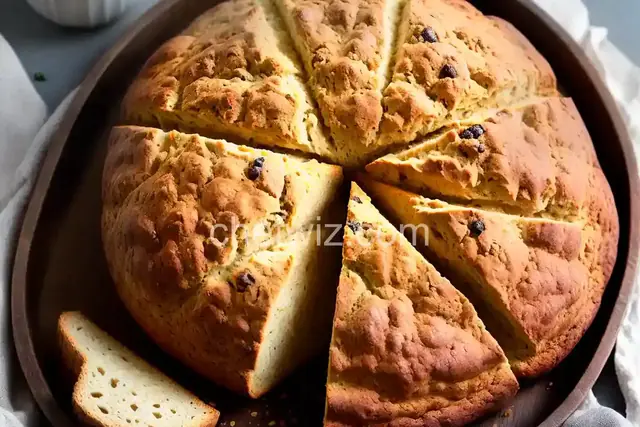
Transfer the dough onto a lightly floured surface. Shape it into a round loaf and score a cross shape on the top using a sharp knife. This helps the bread bake evenly.
Place the shaped dough onto a baking sheet and bake in a preheated oven at 400°F (200°C) for about 40-45 minutes, or until the bread is golden brown and sounds hollow when tapped on the bottom.
Real traditional Irish soda bread is a delightful and versatile bread that has stood the test of time. Its simplicity and unique flavor make it a beloved part of Irish cuisine. By following the steps outlined in this article, you can bake your own delicious loaf of Irish soda bread and enjoy a taste of Ireland in your own home.
While buttermilk is the traditional choice, you can substitute it with regular milk. Simply add a tablespoon of lemon juice or vinegar to a cup of milk and let it sit for a few minutes to curdle before using it in the recipe.
Absolutely! While the traditional Irish soda bread recipe does not include raisins or other ingredients, you can certainly customize it to your taste. Consider adding raisins, currants, or even caraway seeds for added flavor.
Irish soda bread is best enjoyed fresh on the day it is baked. However, if you have leftovers, store them in an airtight container at room temperature for up to 2 days. You can also freeze the bread for longer storage.
Yes, you can! There are many gluten-free flour blends available that can be used as a substitute for regular flour in the recipe. Follow the same steps but use a gluten-free flour blend instead.
Absolutely! Instead of shaping the dough into a round loaf, divide it into smaller portions and shape them into rolls. Adjust the baking time accordingly, as smaller rolls will bake faster.
Yes, you can use self-rising flour instead of all-purpose flour. However, omit the baking soda and salt from the recipe, as self-rising flour already contains these leavening agents.
While both Irish soda bread and scones are traditional Irish baked goods, they have distinct differences. Irish soda bread is a loaf of bread, while scones are smaller, individual pastries. Additionally, the ingredients and preparation methods differ between the two.
Yes, you can! If you don't have access to an oven, you can cook the bread on a stovetop. Simply heat a greased skillet or griddle over medium heat and cook the bread for about 8-10 minutes on each side, until it is cooked through and golden brown.
AprilCook, recipe developer and the heart of Chefwiz. More about April