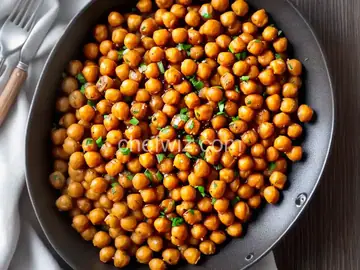
Have you ever tasted the creamy goodness of real hummus? This delectable Middle Eastern dip is not only a favorite among vegetarians and vegans but also a crowd-pleaser for people of all dietary preferences. In this article, we will explore the wonders of real hummus, its origins, health benefits, and some interesting variations to try.
The Origins of Hummus
Hummus has a rich history that dates back thousands of years. It is believed to have originated in the Middle East, with its roots traced to ancient Egypt. The word "hummus" itself means "chickpeas" in Arabic, which is the main ingredient in this delightful dip.
Throughout history, hummus has been a staple in Middle Eastern cuisine. It was not until recent years that this delicious spread gained popularity worldwide. Its creamy texture, nutty flavor, and versatility make it a perfect accompaniment to pita bread, vegetables, or even as a spread in sandwiches.
The Health Benefits of Hummus
Not only is hummus a delicious treat, but it also offers several health benefits. This nutrient-packed dip is a great source of plant-based protein, fiber, and essential vitamins and minerals. It is also low in saturated fat and cholesterol, making it a heart-healthy choice.
Additionally, hummus contains tahini, a paste made from sesame seeds, which is a rich source of healthy fats and antioxidants. These beneficial ingredients in hummus contribute to improved digestion, increased energy levels, and better overall health.
Interesting Variations to Try
While traditional hummus is made with chickpeas, tahini, garlic, olive oil, and lemon juice, there are numerous exciting variations to explore. You can add roasted red peppers to create a smoky and slightly sweet flavor, or mix in sun-dried tomatoes for a tangy twist.
For those who love a bit of spice, try adding some jalapenos or cayenne pepper for a fiery kick. If you're a fan of herbs, experiment with fresh basil, cilantro, or parsley to infuse your hummus with a burst of freshness.
Roasted Red Pepper Hummus
To make roasted red pepper hummus, simply roast some red bell peppers until they're charred and blistered. Remove the skin, blend them with the traditional hummus ingredients, and voila! You have a delightful variation that will surely impress your guests.
Sun-Dried Tomato Hummus
If you're in the mood for something tangy, sun-dried tomato hummus is the way to go. Add a handful of sun-dried tomatoes to the traditional hummus recipe, and let the flavors meld together. The result is a mouthwatering dip that will leave you craving more.
Conclusion
In conclusion, real hummus is a versatile and nutritious dip that has gained popularity worldwide. Its origins in the Middle East and its health benefits make it an excellent choice for anyone looking to add delicious and wholesome flavors to their meals.
Frequently asked questions
- . Is hummus suitable for vegans?
Yes, hummus is a vegan-friendly dip as it does not contain any animal products.
- . Can I make hummus without tahini?
Absolutely! While tahini adds a unique flavor to hummus, you can make it without tahini by substituting it with other ingredients like Greek yogurt or peanut butter.
- . How long does homemade hummus last?
Homemade hummus can typically be stored in the refrigerator for up to a week.
- . Can I freeze hummus?
Yes, you can freeze hummus. Make sure to store it in an airtight container and thaw it in the refrigerator before consuming.
- . Is hummus gluten-free?
Yes, hummus is naturally gluten-free as it is made from chickpeas and other gluten-free ingredients. However, always check the labels of store-bought hummus for any potential gluten-containing additives.
- . Can I use canned chickpeas for hummus?
Absolutely! Canned chickpeas work perfectly fine for making hummus. Just make sure to rinse them thoroughly before using.
- . What are some creative ways to enjoy hummus?
You can enjoy hummus as a dip with pita bread, carrot sticks, or cucumber slices. It also makes a great spread in sandwiches or a flavorful addition to salads.
- . Is hummus fattening?
Hummus is generally considered a healthy food due to its high nutrient content and low saturated fat. However, portion control is key as it is still relatively calorie-dense.
 By AprilPublished