Real-Deal Kung Pao Chicken Recipe
Rate this recipeBe the first to rate
 By AprilPublished
 Are you a fan of Chinese cuisine? Do you love the fiery flavors that tickle your taste buds and leave you craving for more?
 By AprilPublished
 Are you a fan of Chinese cuisine? Do you love the fiery flavors that tickle your taste buds and leave you craving for more?
In a medium bowl, combine the chicken, 2 teaspoons of soy sauce, 2 teaspoons of Shaoxing wine, and 1 teaspoon of cornstarch. Mix well and let it marinate in the fridge for at least 30 minutes, up to two hours.
Grind half of the Sichuan peppercorns in a mortar and pestle. Mix them with the scallion greens and set aside. In a small bowl, combine the scallion whites, garlic, and ginger. In another small bowl, mix the remaining soy sauce, Shaoxing wine, cornstarch, black vinegar, chili-bean paste, and sugar until the cornstarch is fully dissolved.
Place a fine-meshed strainer over a small heat-proof bowl. Heat the peanut oil in a wok over high heat until shimmering. Add the remaining Sichuan peppercorns and dried chilies, and cook until fragrant for about fifteen seconds. Drain them in the strainer, remove the chilies and set them aside, then discard the peppercorns.
Return the wok to high heat until smoking. Add 1/4 of the oil and immediately add half of the marinated chicken. Spread it evenly with a spatula and cook without moving for 1 minute. Then, cook while stirring and tossing constantly until the chicken is barely cooked through, about 1 minute longer. Transfer it to a medium metal bowl
Are you a fan of Chinese cuisine? Do you love the fiery flavors that tickle your taste buds and leave you craving for more? Then you must try the Real-Deal Kung Pao Chicken recipe! This classic dish is a perfect blend of heat, sweetness, and tanginess that will transport you to the vibrant streets of China.
Before we dive into the recipe, let's explore the origins of this iconic dish. Kung Pao Chicken, also known as Gong Bao Ji Ding, is a spicy stir-fry dish that originated in the Sichuan province of China. It was named after Ding Baozhen, a Qing Dynasty official who had a fondness for spicy food.
Legend has it that Ding Baozhen loved the combination of peanuts, chili peppers, and chicken so much that he requested his chefs to create a dish that incorporated these ingredients. And thus, Kung Pao Chicken was born!
What makes Kung Pao Chicken truly special is the perfect balance of flavors. The dish combines marinated chicken, crunchy peanuts, and a medley of vegetables, all tossed in a savory sauce. The sauce is the secret to its mouthwatering taste, made with a blend of soy sauce, vinegar, sugar, and Sichuan peppercorns.
Just like in life, the secret to a delicious Kung Pao Chicken lies in finding the right balance. The heat from the chili peppers, the sweetness from the sugar, and the tanginess from the vinegar all come together to create a harmonious symphony of flavors.
Now that you're familiar with the story and flavors of Kung Pao Chicken, it's time to bring this delightful dish to your own kitchen! Follow these simple steps to create your very own Real-Deal Kung Pao Chicken:
Start by marinating the chicken pieces in a mixture of soy sauce, rice wine, and cornstarch. This will infuse the chicken with flavor and make it tender and juicy.
While the chicken is marinating, prepare the sauce by combining soy sauce, vinegar, sugar, and Sichuan peppercorns in a bowl. Adjust the ingredients according to your taste preferences, adding more heat or sweetness as desired.
Heat some oil in a wok or a large skillet and add the marinated chicken. Stir-fry until it turns golden brown and is cooked through. Remove the chicken from the wok and set it aside.
In the same wok, add some more oil and toss in the dried chili peppers, garlic, and ginger. Stir-fry until the aromas fill your kitchen and the peppers turn slightly dark.
Now it's time to bring all the ingredients together. Add the cooked chicken back into the wok, along with the sauce you prepared earlier. Toss everything together until the chicken is well-coated in the flavorful sauce.
Finally, add the peanuts and vegetables of your choice. Bell peppers and scallions are traditional choices, but feel free to experiment with other vegetables to suit your taste. Stir-fry until the vegetables are crisp-tender and everything is well-combined.
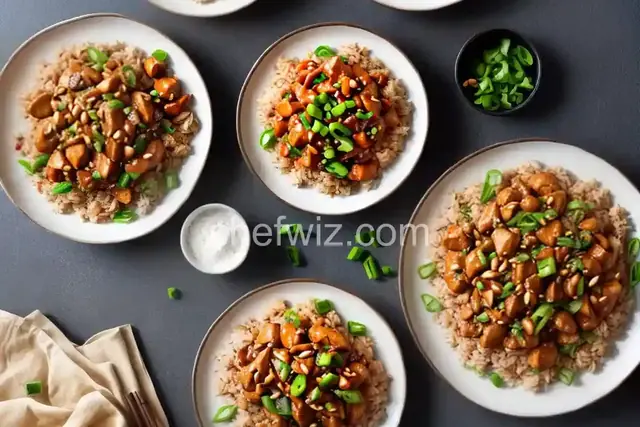
And there you have it - your very own Real-Deal Kung Pao Chicken! Serve it hot with steamed rice or noodles for a truly satisfying meal. The spicy, tangy flavors of this dish are sure to leave you wanting more.
So why wait? Embark on a culinary adventure and treat yourself to the amazing flavors of Kung Pao Chicken. Your taste buds will thank you!
Kung Pao Chicken is a true culinary delight that brings the flavors of China to your plate. With its perfect balance of heat, sweetness, and tanginess, this dish is sure to impress your taste buds. So go ahead, gather the ingredients, and embark on a flavor-packed adventure in your own kitchen. Bon appétit!
A1: Absolutely! You can substitute the chicken with tofu or even mushrooms for a vegetarian version of this dish.
A2: The level of spiciness can be adjusted according to your taste. If you prefer a milder version, you can reduce the amount of chili peppers or remove the seeds.
A3: While Kung Pao Chicken is best enjoyed fresh, you can make the sauce and marinate the chicken ahead of time to save preparation time.
A4: Kung Pao Chicken pairs well with steamed rice, fried rice, or noodles. You can also serve it with a side of stir-fried vegetables.
A5: The traditional recipe uses soy sauce, which contains gluten. However, you can use gluten-free soy sauce or tamari as a substitute to make it gluten-free.
A6: Yes, if you have a nut allergy or simply don't like peanuts, you can omit them from the recipe. The dish will still be delicious.
A7: While both dishes are popular Chinese-American favorites, Kung Pao Chicken is spicier and has a more pronounced tangy flavor, whereas General Tso's Chicken is sweeter and less spicy.
A8: Yes, you can freeze any leftover Kung Pao Chicken in an airtight container for up to three months. Just reheat it in a skillet or microwave before serving.
AprilCook, recipe developer and the heart of Chefwiz. More about April