Raw Pad Thai
Rate this recipeBe the first to rate
 By AprilPublished
 Are you tired of the same old Pad Thai? Looking for a healthier alternative that still satisfies your cravings?
 By AprilPublished
 Are you tired of the same old Pad Thai? Looking for a healthier alternative that still satisfies your cravings?
Use a vegetable peeler to slice the zucchini lengthwise, creating long, thin noodles. Place the zucchini noodles on individual plates.
Use a vegetable peeler to slice the carrots into long strips, similar to the zucchini.
In a large bowl, combine the sliced carrots, cabbage, red bell pepper, and bean sprouts.
In a separate bowl, whisk together almond butter, orange juice, honey, ginger, Nama Shoyu, miso, garlic, and cayenne pepper to make the sauce.
Pour half of the sauce into the bowl with the cabbage mixture and toss to coat the vegetables.
Place the cabbage mixture on top of the zucchini noodles.
Pour the remaining sauce over each portion of the dish.
Are you tired of the same old Pad Thai? Looking for a healthier alternative that still satisfies your cravings? Look no further than raw Pad Thai! This refreshing and nutrient-packed dish is a perfect way to enjoy the flavors you love while nourishing your body. In this article, we will dive deep into the world of raw Pad Thai and explore its benefits, preparation, and tips for making it at home.
Raw food has gained popularity in recent years due to its numerous health benefits. By consuming food in its natural state, without cooking or heating above 118°F (48°C), you preserve the vital nutrients and enzymes that can be lost during the cooking process. Raw food is rich in enzymes, vitamins, minerals, and antioxidants, which are essential for optimal health.
One of the key elements that make raw Pad Thai so appealing is its explosion of flavors. The combination of fresh vegetables, tangy lime juice, creamy nut butter, and aromatic herbs creates a symphony of taste in your mouth. Each bite is a delightful blend of sweet, sour, salty, and spicy, leaving you craving for more.
Raw Pad Thai offers endless opportunities for customization. You can swap out the traditional rice noodles for spiralized zucchini or daikon radish noodles, add your favorite protein like tofu or tempeh, and experiment with different sauces and seasonings. Let your creativity run wild and create a unique version of this classic dish that suits your taste buds.
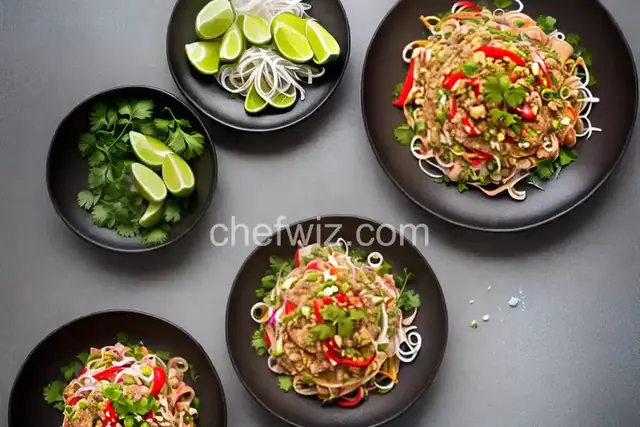
Now that you're excited about trying raw Pad Thai, let's talk about how to prepare it. The first step is to gather your ingredients. You'll need a variety of fresh vegetables such as bell peppers, carrots, cabbage, and bean sprouts. Don't forget the herbs like cilantro and mint, which add a burst of freshness to the dish. For the sauce, combine lime juice, tamari or soy sauce, nut butter, and a touch of sweetness with a sweetener like maple syrup or honey.
Next, it's time to get chopping and spiralizing! Cut the vegetables into thin strips or use a spiralizer to create noodle-like shapes. Once everything is prepped, toss the vegetables and herbs in the sauce until well-coated. Top with crushed peanuts or sesame seeds for added crunch.
Raw Pad Thai is not only delicious but also incredibly nutritious. By using fresh, raw ingredients, you're maximizing the nutritional content of the dish. The abundance of vegetables provides a wide array of vitamins, minerals, and fiber. The nut butter adds healthy fats and protein, while the lime juice provides a boost of vitamin C. Eating raw Pad Thai is a great way to support your overall health and well-being.
Creating your own raw Pad Thai at home is easier than you might think. With just a few simple steps, you can enjoy this flavorful dish whenever you want. Start by gathering your ingredients and prepping the vegetables. Then, mix up the sauce and toss everything together. The best part? You don't need to turn on the stove or wait for anything to cook. Raw Pad Thai is ready to be enjoyed right away!
Raw Pad Thai is a fantastic alternative to traditional cooked Pad Thai. It's packed with nutrients, bursting with flavor, and allows you to get creative in the kitchen. By incorporating raw food into your diet, you're giving your body a powerful boost of health and vitality. So why not give raw Pad Thai a try and experience the joy of nourishing your body while indulging in a delicious meal?
Yes, raw Pad Thai can easily be made gluten-free by using tamari or gluten-free soy sauce instead of regular soy sauce.
While raw Pad Thai is best enjoyed fresh, you can make the sauce and prep the vegetables in advance to save time.
Absolutely! If you prefer, you can add cooked shrimp, chicken, or beef to your raw Pad Thai for added protein.
If you have a nut allergy or prefer a different flavor, you can use sunflower seed butter, tahini, or even coconut cream instead of nut butter.
Raw Pad Thai is best enjoyed immediately. However, if you have leftovers, you can store them in an airtight container in the fridge for up to two days.
Absolutely! Feel free to experiment with different vegetables to suit your taste and what you have on hand.
If you like it hot, you can add more chili flakes, sriracha sauce, or fresh chili peppers to your raw Pad Thai.
While rice noodles are the traditional choice for Pad Thai, you can certainly use other types of noodles like soba noodles or even spaghetti.
AprilCook, recipe developer and the heart of Chefwiz. More about April