Raw Fermented Beets
Rate this recipeBe the first to rate
 By AprilPublished
 Are you looking for a healthy and delicious way to incorporate more probiotics into your diet?
 By AprilPublished
 Are you looking for a healthy and delicious way to incorporate more probiotics into your diet?
Divide the beet chunks evenly between two jars with lids.
In each jar, add 2 cloves of garlic, 3 peppercorns, and 1 bay leaf.
In a separate bowl, combine water and salt to create the brine. Stir until the salt is fully dissolved.
Pour enough brine into each jar to completely cover the beets.
Securely screw on the lids of the jars.
Allow the jars to sit at room temperature until foam starts to form on top, which usually takes about 1 week.
Once foam appears, transfer the jars to a cool place with a temperature of 50 degrees F (10 degrees C) for 2 to 3 days.
Finally, store the jars in the refrigerator.
Alternatively, if using one large jar, follow the same steps but only use a total of 2 cloves of garlic, 3 peppercorns, and 1 bay leaf.
The fermentation period will vary depending on the temperature of the room.
Are you looking for a healthy and delicious way to incorporate more probiotics into your diet? Look no further than raw fermented beets. Not only do they offer a tangy and flavorful addition to any meal, but they are also packed with beneficial bacteria that can support your gut health. In this article, we will explore the world of raw fermented beets, their benefits, and how to make them at home.
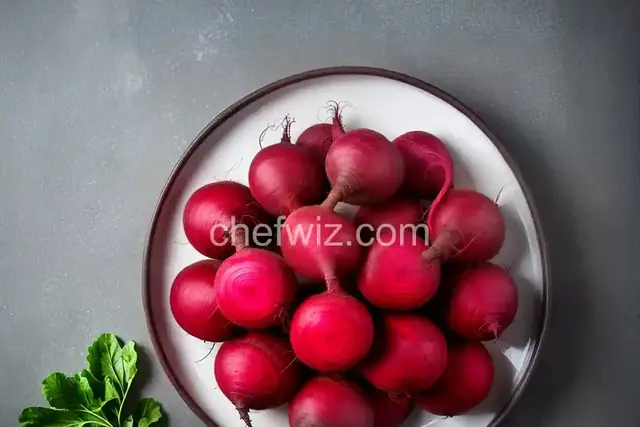
Raw fermented beets are simply beets that have been sliced or grated and then allowed to ferment in a saltwater brine. During the fermentation process, the natural sugars in the beets are broken down by beneficial bacteria, creating a tangy and slightly sour flavor. This process also increases the number of probiotics in the beets, making them a fantastic addition to your diet.
Raw fermented beets offer a wide range of health benefits. Firstly, they are an excellent source of probiotics, which are beneficial bacteria that can support your gut health. A healthy gut microbiome is essential for overall well-being, as it can improve digestion, boost immunity, and even enhance mental health.
Additionally, raw fermented beets are rich in vitamins and minerals. They are a great source of folate, manganese, and potassium, which are all essential for proper bodily function. The fermentation process also enhances the bioavailability of these nutrients, making them easier for your body to absorb and utilize.
Making raw fermented beets at home is surprisingly simple. Here's a step-by-step guide to get you started:
You will need fresh beets, sea salt, filtered water, and any desired flavorings such as garlic or dill. Make sure to choose organic beets whenever possible to avoid any pesticides or chemicals.
Wash and peel the beets, then slice or grate them into your desired shape. The thinner the slices, the faster the fermentation process will occur.
In a separate bowl, dissolve sea salt in filtered water to create a brine. The ratio of salt to water is typically 1-2 tablespoons of salt per quart of water.
Place the beets in a clean glass jar, leaving about an inch of headspace at the top. Pour the brine over the beets, making sure they are fully submerged. You can use a fermentation weight or a clean rock to keep the beets submerged if necessary.
Seal the jar with a lid and let it sit at room temperature for about a week. During this time, the beets will undergo fermentation, so it's normal to see bubbles or foam forming.
After a week, taste the beets to check if they have reached your desired level of tanginess. If they are to your liking, you can transfer them to the refrigerator to slow down the fermentation process. The beets will continue to develop flavor over time.
Yes, you can use any type of beets for fermentation, including red beets, golden beets, and even chioggia beets. Each variety will offer a slightly different flavor profile.
Raw fermented beets can last for several months when stored in the refrigerator. However, they may continue to develop flavor and become softer over time.
Absolutely! You can experiment with adding other vegetables like carrots or cabbage to your ferment. You can also add spices like garlic, dill, or ginger to enhance the flavor.
As long as you follow proper fermentation practices and use clean equipment, raw fermented beets are safe to eat. The fermentation process creates an acidic environment that inhibits the growth of harmful bacteria.
Definitely! Fermented beets can be enjoyed on their own as a snack or used in various recipes. They can be added to salads, sandwiches, or even blended into dips and spreads.
Yes, you can reuse the brine from a previous batch to kickstart the fermentation process. This can help ensure a consistent flavor and introduce beneficial bacteria into your new batch of beets.
If you wish to stop the fermentation process and extend the shelf life of your fermented beets, you can pasteurize them. Simply heat the beets and brine to 160°F (71°C) for 10 minutes, then cool and store in the refrigerator.
In general, fermented beets are safe for most people to consume. However, some individuals may experience digestive discomfort or gas due to the increased probiotic content. If you are new to fermented foods, it's best to start with small amounts and gradually increase your intake.
In conclusion, raw fermented beets are a fantastic addition to any diet. They offer a delicious and tangy flavor, along with numerous health benefits. Whether you enjoy them on their own or incorporate them into your favorite recipes, you'll be reaping the rewards of probiotics and essential nutrients. So why not give raw fermented beets a try and start boosting your gut health today?
AprilCook, recipe developer and the heart of Chefwiz. More about April