Rattlesnake Pasta
Rate this recipeBe the first to rate
 By AprilPublished
 Are you a fan of spicy food? Do you crave a delectable combination of pasta and heat?
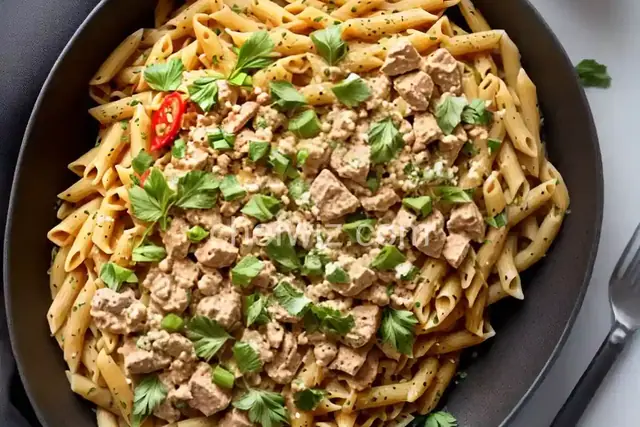 By AprilPublished
 Are you a fan of spicy food? Do you crave a delectable combination of pasta and heat?
Cook the pasta: Fill a large pot with water and add a pinch of salt. Bring the water to a boil. Add the fettuccine to the boiling water and cook for about 8 minutes, or until the pasta is tender but still firm. Drain the pasta and set aside.
Prepare the sauce: Heat some oil in a large skillet over medium-high heat. Add the mushrooms, zucchini, squash, and onions to the skillet. Cook and stir the vegetables until they are heated through but still slightly firm, which should take about 5 minutes. Pour in the cream and add the cooked fettuccine to the skillet. Let the mixture simmer for 4 minutes. Then, add the jalapeño, mustard, Cajun seasoning, and garlic to the skillet and cook for an additional 1 minute. Stir in the Parmesan cheese and tomatoes. Reduce the heat to low to keep the sauce warm.
Cook the rattlesnake (optional): Heat some oil in a large skillet over high heat. Dredge the rattlesnake meat in flour and fry it in the hot oil until it is cooked through, which should take about 5 minutes. Use an instant-read thermometer to check the internal temperature of the meat, ensuring it reaches at least 165 degrees F (74 degrees C). Once cooked, arrange the rattlesnake meat on top of the pasta to serve.
Ensure the rattlesnake meat is
Are you a fan of spicy food? Do you crave a delectable combination of pasta and heat? Look no further than rattlesnake pasta! This mouthwatering dish is a spicy delight that will leave your taste buds tingling with satisfaction. In this article, we will explore the wonders of rattlesnake pasta, its flavor profiles, and why it has become a favorite among pasta enthusiasts.
Rattlesnake pasta gets its name from the fiery kick it delivers. Just like a rattlesnake's venomous bite, this pasta dish is not for the faint of heart. It combines the creaminess of pasta with the boldness of spices, creating a symphony of flavors that will awaken your senses.
Imagine biting into a forkful of perfectly cooked pasta coated in a creamy sauce infused with jalapenos, chili flakes, and other spices. As the flavors dance on your taste buds, you will experience a delightful combination of heat and creaminess. It's like a rollercoaster ride for your palate!
One of the secrets to rattlesnake pasta's popularity is the balance it achieves between heat and flavor. While it packs a punch, it doesn't overpower the other ingredients. The spiciness is complemented by the creaminess of the sauce, creating a harmonious blend that keeps you coming back for more.
Think of rattlesnake pasta as a perfectly choreographed dance where the heat is the lead and the creaminess is the supporting partner. They work together to create a culinary masterpiece that will leave you craving for another bite.
Rattlesnake pasta is not just about the heat; it's also a versatile dish that can be customized to suit your taste preferences. You can experiment with different types of pasta, such as penne, spaghetti, or farfalle, to create your perfect combination. Additionally, you can add your favorite proteins, such as chicken or shrimp, to elevate the dish further.
Whether you prefer a vegetarian version or want to add a protein punch, rattlesnake pasta allows you to explore various options. The possibilities are endless, and you can tailor it to suit your cravings and dietary choices.
A1: Rattlesnake pasta is indeed spicy, but the level of spiciness can be adjusted according to your preference. You can control the heat by adjusting the amount of chili flakes or jalapenos used in the recipe.
A2: Absolutely! You can substitute dairy ingredients with plant-based alternatives like coconut milk or cashew cream to make a delicious dairy-free version of rattlesnake pasta.
A3: While you can use any type of pasta, shorter shapes like penne or farfalle tend to work best as they hold the sauce and spices well.
A4: Yes, you can make a vegetarian version of rattlesnake pasta by omitting the meat or seafood and adding extra vegetables or tofu for added texture and flavor.
A5: If you prefer a milder version of rattlesnake pasta, you can reduce the amount of chili flakes or jalapenos used in the recipe, or even remove the seeds from the jalapenos before adding them to the sauce.
A6: Rattlesnake pasta is best enjoyed fresh. Freezing may alter the texture and taste of the dish, so it is not recommended.
A7: Rattlesnake pasta pairs well with a variety of side dishes, such as garlic bread, a fresh green salad, or grilled vegetables. These additions provide a refreshing contrast to the spiciness of the pasta.
A8: While rattlesnake pasta is best enjoyed immediately after cooking, you can prepare the sauce in advance and refrigerate it. Cook the pasta when you're ready to serve, and toss it with the reheated sauce for a quick and delicious meal.
In conclusion, rattlesnake pasta is a spicy delight for pasta lovers who crave a bold and flavorful experience. Its unique combination of heat and creaminess creates a symphony of flavors that will leave you wanting more. Whether you prefer it fiery or milder, rattlesnake pasta offers endless possibilities for customization. So, grab your fork and get ready to savor this tantalizing dish!
AprilCook, recipe developer and the heart of Chefwiz. More about April