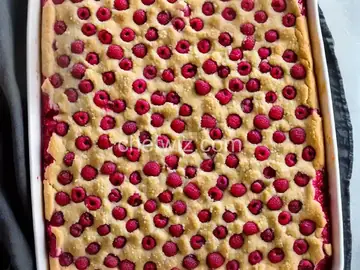
Raspberry and Apricot Rugelach: A Sweet Delight
Rugelach, a delightful pastry originating from Eastern Europe, has gained popularity worldwide with its irresistible combination of sweet fillings and flaky dough. One of the most beloved variations is the raspberry and apricot rugelach, which tantalizes the taste buds with a burst of fruity flavors. In this article, we will explore the history and preparation of this delectable treat, as well as provide answers to frequently asked questions about rugelach.
The Origins of Rugelach
Rugelach has a rich history that can be traced back to Jewish communities in Eastern Europe. The word "rugelach" itself means "little twists" in Yiddish, which perfectly describes the spiral shape of these delectable pastries. Originally, rugelach were made with a yeast-based dough, but over time, a cream cheese-based dough became the preferred choice for its flakiness and richness.
The Raspberry and Apricot Combination
Raspberry and apricot rugelach is a match made in heaven. The tartness of the raspberries perfectly complements the sweetness of the apricots, creating a harmonious blend that delights the palate. The vibrant red color of the raspberries and the bright orange hue of the apricots also add visual appeal to these pastries, making them a feast for the eyes as well.
The Dough: A Flaky Foundation
The key to a perfect rugelach lies in the dough. The cream cheese-based dough used in raspberry and apricot rugelach is light, tender, and flaky. It provides the perfect base for the luscious filling, allowing the flavors to meld together and creating a delightful contrast in textures. The dough is rolled out into a thin sheet, then spread with a layer of raspberry and apricot filling before being rolled into a spiral shape.
The Filling: A Burst of Flavor
The filling is what gives rugelach its distinct taste. For raspberry and apricot rugelach, a combination of raspberry jam and apricot preserves is used. The sweetness of the jam and preserves is enhanced by a touch of lemon zest, adding a refreshing citrusy note to the filling. Chopped walnuts or pecans can also be sprinkled on top for a delightful crunch.
Preparing Raspberry and Apricot Rugelach
Preparing raspberry and apricot rugelach requires a few simple steps, but the end result is well worth the effort. First, the dough is prepared by creaming together butter, cream cheese, and sugar until light and fluffy. Flour is then gradually added until a soft, pliable dough is formed. The dough is divided into portions and refrigerated to firm up.
Once the dough has chilled, it is rolled out into a thin circle and spread with a layer of raspberry jam and apricot preserves. The dough is then rolled into a tight spiral, creating the distinctive rugelach shape. The pastries are placed on a baking sheet and brushed with an egg wash for a golden, shiny finish.
The rugelach are then baked until golden brown and fragrant. Once cooled, they can be dusted with powdered sugar for an extra touch of sweetness. The resulting raspberry and apricot rugelach are a treat for both the eyes and the taste buds, with their flaky layers and burst of fruity flavors.
In Conclusion
Raspberry and apricot rugelach is a delightful pastry that combines the sweetness of apricots with the tartness of raspberries. With its flaky dough and burst of fruity flavors, it is a treat for both the eyes and the taste buds. Whether enjoyed with a cup of tea or shared with loved ones, these little twists of heaven are sure to bring joy to any occasion.
Frequently asked questions
- Can I use other fruit fillings for rugelach?
Absolutely! Rugelach is a versatile pastry that can be filled with a variety of fruit preserves, such as strawberry, blueberry, or even fig. Feel free to experiment and find your favorite combination!
- Can I freeze rugelach?
Yes, rugelach can be frozen for up to three months. Just make sure to store them in an airtight container or freezer bag to maintain their freshness.
- Can I substitute the cream cheese in the dough?
While cream cheese provides a unique flavor and texture to the dough, you can experiment with other ingredients such as sour cream or Greek yogurt for a slightly different result.
- Can I make rugelach ahead of time?
Absolutely! Rugelach can be made a day or two in advance and stored in an airtight container. In fact, the flavors often develop and intensify over time, making them even more delicious!
- Can I add chocolate to the filling?
Of course! Adding a layer of chocolate spread or chocolate chips to the filling can take your rugelach to a whole new level of decadence.
- Can I make rugelach without nuts?
Yes, you can omit the nuts if you prefer. The rugelach will still be delicious and flavorful without them.
- Can I use store-bought dough?
While homemade dough is always the best, you can use store-bought puff pastry or crescent roll dough as a quick and easy alternative.
- Can I add a sprinkle of cinnamon to the filling?
Absolutely! Adding a touch of cinnamon to the filling can add warmth and depth of flavor to your rugelach.
 By AprilPublished