Ramen Pho
Rate this recipeBe the first to rate
 By AprilPublished
 When it comes to comforting and flavorful dishes, few can compare to the delightful combination of Ramen and Pho.
 By AprilPublished
 When it comes to comforting and flavorful dishes, few can compare to the delightful combination of Ramen and Pho.
Grate the zest from half of the lime and set it aside.
Cut the lime in half. Squeeze the juice from one half of the lime and set it aside.
Cut the other half of the lime into two wedges.
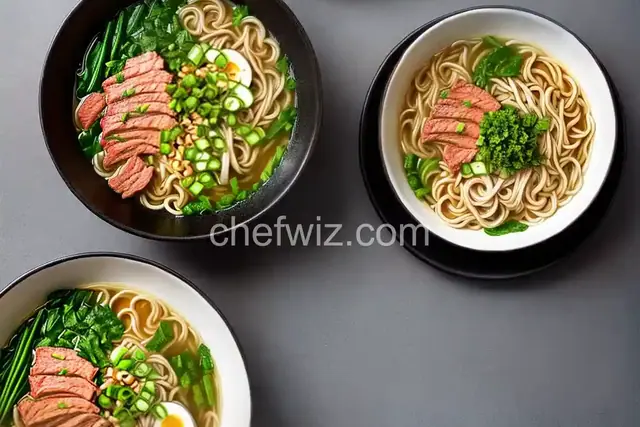
In a large heatproof soup bowl, layer the ramen noodles and seasoning, onion, sriracha, soy sauce, fish sauce, kale, lime zest, lime juice, ginger, and steak.
Pour boiling water into the bowl, covering all the ingredients.
Allow the bowl to sit undisturbed for 2 minutes.
Stir the ingredients using chopsticks.
Garnish the soup with the lime wedges.
Serve the soup immediately.
When it comes to comforting and flavorful dishes, few can compare to the delightful combination of Ramen and Pho. These two iconic noodle soups from Japan and Vietnam respectively have gained worldwide popularity for their rich flavors and satisfying textures. But what exactly makes Ramen Pho so special? Join us as we delve into the unique characteristics and deliciousness of this fusion dish.
To truly appreciate the magic of Ramen Pho, it's essential to understand the origins of its main components. Ramen, a Japanese dish, is a noodle soup characterized by its savory broth, springy noodles, and a variety of toppings such as pork, chicken, or seafood. On the other hand, Pho is a traditional Vietnamese soup made with rice noodles and a flavorful broth typically derived from beef or chicken.
As globalization continues to bring people and cultures together, it's no surprise that culinary fusion has become increasingly popular. The combination of Ramen and Pho is a prime example of this fusion, blending the best of both worlds. By incorporating elements from two distinct cuisines, Ramen Pho offers a unique and harmonious flavor profile that tantalizes the taste buds.
Creating the perfect bowl of Ramen Pho requires attention to detail and a balance of flavors. The broth plays a crucial role, as it serves as the foundation upon which all the other ingredients shine. Whether you prefer a rich and creamy pork-based broth or a lighter, aromatic chicken broth, the key is to infuse it with umami and depth of flavor.
The noodles are another essential component. Ramen noodles are typically thicker and chewier, while Pho noodles are thin and delicate. The choice of noodles depends on personal preference, but both varieties should be cooked to perfection – al dente and not overly soft.
As for the toppings, the possibilities are endless. Slices of tender chashu pork, marinated bamboo shoots, soft-boiled eggs with a creamy yolk center, and fresh herbs like Thai basil and cilantro all contribute to elevating the dish to new heights of deliciousness.
One of the reasons Ramen Pho has captured the hearts and palates of food enthusiasts worldwide is its ability to provide comfort and warmth. Whether you're seeking solace on a cold winter's day or a pick-me-up after a long day at work, a steaming bowl of Ramen Pho can work wonders. It's like a warm embrace for the soul, soothing and satisfying in every spoonful.
Moreover, Ramen Pho is a versatile dish that can be customized to suit individual preferences. Whether you prefer it spicy, loaded with veggies, or with an extra dash of umami, you can tailor the dish to your liking, making each bowl a unique culinary experience.
Ramen Pho is a culinary masterpiece that brings together the best of Japanese and Vietnamese cuisines. With its harmonious blend of flavors, comforting qualities, and endless customization options, it's no wonder that Ramen Pho has captured the hearts and taste buds of food lovers everywhere. So, the next time you're craving a bowl of soul-satisfying goodness, give Ramen Pho a try – you won't be disappointed!
Absolutely! You can substitute the meat-based broth with a flavorful vegetable broth and load your bowl with an array of vegetables and tofu for a delicious vegetarian Ramen Pho.
While traditional Ramen and Pho noodles contain gluten, there are gluten-free alternatives available in many stores. Make sure to check the packaging or consult with a knowledgeable chef for gluten-free options.
Some popular Ramen Pho variations include spicy miso Ramen Pho, seafood Ramen Pho, and vegetarian Ramen Pho. Each variation offers a unique twist on the classic dish, allowing you to explore different flavors.
While it's best to enjoy Ramen Pho fresh, you can freeze leftover broth and noodles separately. When ready to eat, simply reheat the broth and cook the noodles until tender before assembling your bowl.
The key to a flavorful Ramen Pho broth lies in the lengthy cooking process, where bones, meat, and aromatic ingredients are simmered for hours to extract their essence. Patience and quality ingredients are essential for a rich and robust broth.
Absolutely! Ramen Pho is a versatile dish that welcomes creativity. Feel free to add your favorite toppings, such as corn, bean sprouts, nori, or even a drizzle of chili oil for an extra kick.
Ramen Pho combines elements from both traditional Ramen and Pho, creating a unique flavor profile that is different from either dish individually. It's the perfect marriage of Japanese and Vietnamese culinary traditions.
Absolutely! Ramen Pho has gained popularity worldwide, and you can find restaurants and food stalls serving this delightful fusion dish in many countries. It's a testament to the global appreciation for culinary diversity.
AprilCook, recipe developer and the heart of Chefwiz. More about April