Raita
Rate this recipeBe the first to rate
 By AprilPublished
 When it comes to Indian cuisine, one cannot overlook the humble yet versatile side dish known as raita.
 By AprilPublished
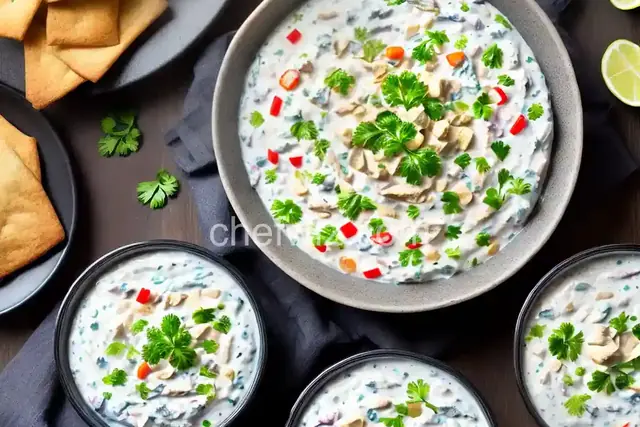
 When it comes to Indian cuisine, one cannot overlook the humble yet versatile side dish known as raita.
Combine yogurt, sour cream, cumin, paprika, and garlic in a salad bowl using a whisk.
Add cucumbers and tomatoes to the mixture.
Toss the ingredients together until well combined.
Chill the salad in the refrigerator for at least 30 minutes before serving.
When it comes to Indian cuisine, one cannot overlook the humble yet versatile side dish known as raita. This yogurt-based condiment not only adds a refreshing touch to your meal but also provides a cooling effect to balance out the spiciness of curries and biryanis. In this article, we will delve into the world of raita, exploring its origins, variations, and how it enhances the overall dining experience.
Raita has its roots in the Indian subcontinent, where it has been a staple for centuries. Its name is derived from the Hindi word "rait," meaning "together." Raita was traditionally prepared as a way to bring together different flavors and textures in a harmonious blend. It was also believed to aid digestion and provide relief from the scorching heat of the Indian summers.
One of the most intriguing aspects of raita is the myriad of ingredients that can be incorporated into it. From crunchy cucumbers and onions to juicy tomatoes and pomegranate seeds, the possibilities are endless. Each ingredient adds its own unique flavor and texture, resulting in a symphony of tastes that elevates any meal.
Perhaps the most popular variation of raita is cucumber raita. With its refreshing taste and cooling effect, it is the perfect accompaniment to spicy dishes. The combination of grated cucumber, yogurt, and a dash of spices creates a harmonious blend that is both soothing and flavorful.
If you're looking for a raita that leaves a lasting impression, mint raita is the way to go. The aromatic flavors of fresh mint leaves combined with tangy yogurt create a burst of freshness that tantalizes the taste buds. It pairs exceptionally well with grilled meats and kebabs.
One of the key roles of raita is to strike a balance between the various flavors and spices present in an Indian meal. Just as a conductor guides an orchestra, raita brings together the different elements on your plate, ensuring that no single flavor overpowers the others. It acts as a cooling agent, soothing the palate and allowing you to fully enjoy the diverse array of tastes.
Raita is more than just a condiment; it is a harmonious blend of flavors and textures that enhances the overall dining experience. Its versatility and ability to balance out the spices make it an indispensable part of any Indian meal. So, the next time you savor a plate of biryani or curry, don't forget to pair it with a refreshing bowl of raita. Your taste buds will thank you!
Absolutely! Raita can be prepared in advance and refrigerated for a few hours before serving. This allows the flavors to meld together and intensify, resulting in a more flavorful experience.
While raita is commonly paired with spicy dishes to provide relief from the heat, it can also be enjoyed with mild or even sweet dishes. Its versatility makes it a welcome addition to any meal.
Absolutely! Raita is a canvas waiting to be painted upon. Feel free to experiment with different fruits, vegetables, herbs, and spices to create your own unique variations.
Yes, raita can be made vegan by using dairy-free yogurt or coconut milk as a substitute for traditional yogurt. This allows individuals following a plant-based diet to enjoy the goodness of raita.
It is not recommended to freeze raita as the texture and consistency may be altered upon thawing. It is best enjoyed fresh.
Raita is a healthy option as it is packed with probiotics from yogurt and is rich in essential nutrients from the various ingredients used. However, it is important to moderate the consumption of raita if you are watching your calorie intake.
Yes, there are variations of raita that do not use yogurt. For example, boondi raita is made with fried chickpea flour balls soaked in water or buttermilk, providing a unique twist to the traditional recipe.
Absolutely! Raita can be used as a dip for chips, crackers, or vegetable sticks. It can also be used as a spread in sandwiches or wraps, adding a burst of flavor and creaminess.
AprilCook, recipe developer and the heart of Chefwiz. More about April