Qumbe (East African Coconut Candy)
Rate this recipeBe the first to rate
 By AprilPublished
 Ah, the sweet aroma of coconut and the delicate texture of candy melting in your mouth.
 By AprilPublished
 Ah, the sweet aroma of coconut and the delicate texture of candy melting in your mouth.
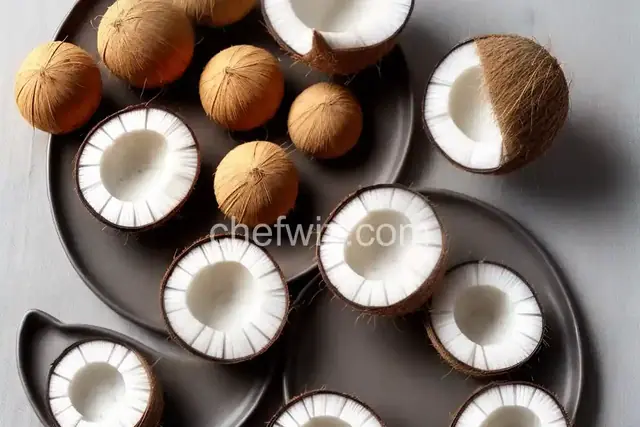
In a bowl, mix together 2 cups of grated coconut and coconut milk until well combined.
Heat sugar in a saucepan over medium heat, stirring frequently, until melted (around 5 minutes). Remove the saucepan from heat and add the coconut mixture and almond flour. Stir until thoroughly combined. Allow the mixture to cool until it can be easily handled.
Take small portions of the coconut mixture and roll them into bite-size balls.
Place 1/4 cup of grated coconut in a separate bowl and roll the coconut balls in it until coated.
Refrigerate the balls for at least 15 minutes until they are chilled.
Note: If you have a gluten intolerance, you can replace the almond flour with a different type of flour like wheat or soy.
Optional: If preferred, you can use coconut cream instead of coconut milk.
The mixture may be sticky, but it should still be manageable to roll. If it is too difficult, gradually add more almond flour until it reaches a consistency that can be easily rolled.
Ah, the sweet aroma of coconut and the delicate texture of candy melting in your mouth. If you have a sweet tooth, then Qumbe, the East African coconut candy, is a treat you must try. This mouthwatering delicacy is not only delicious but also holds a special place in the hearts of many East Africans. Let's dive into the world of Qumbe and explore what makes it so unique and irresistible.
Qumbe, also known as "Kokos Tambuu," originated in the coastal regions of East Africa. It is believed to have been introduced by Arab traders during their spice trading expeditions. Over time, Qumbe became a popular sweet treat in countries like Kenya, Tanzania, and Somalia.
Qumbe is made using simple yet flavorful ingredients. The main ingredients include freshly grated coconut, sugar, cardamom, and a hint of rosewater. The combination of these ingredients creates a symphony of flavors that will transport you to the tropical shores of East Africa.
Creating Qumbe is an art that requires patience and precision. The process begins with toasting the grated coconut until it turns golden brown, giving it a lovely nutty flavor. The toasted coconut is then combined with sugar, cardamom, and rosewater to form a sticky mixture. This mixture is then shaped into small, bite-sized candies and left to cool and harden.
When you take your first bite of Qumbe, you will be greeted with a burst of flavors. The rich and creamy coconut blends perfectly with the sweetness of the sugar, while the cardamom adds a hint of warmth and spice. The delicate fragrance of rosewater adds a touch of elegance to this delightful candy.
Qumbe is not just a candy; it is a symbol of tradition, culture, and togetherness. In East African households, Qumbe is often made during special occasions and celebrations. It is shared with loved ones, creating moments of joy and connection. The process of making Qumbe is often a communal activity, where family members come together to prepare this sweet delight.
Qumbe is a representation of the vibrant flavors and cultural richness of East Africa. Just like the diverse communities that make up this region, Qumbe brings together a variety of ingredients and flavors to create something truly special. It is a testament to the beauty of diversity and the power of food to bring people together.
Qumbe, the East African coconut candy, is a treat that tantalizes the taste buds and warms the heart. Its rich coconut flavor, combined with the sweetness of sugar and the warmth of cardamom, creates a delightful sensory experience. Whether you have East African roots or simply appreciate a good candy, Qumbe is sure to satisfy your sweet cravings and leave you wanting more.
Yes, you can make Qumbe without rosewater, but it adds a unique fragrance to the candy. If you don't have rosewater, you can substitute it with vanilla extract for a different flavor profile.
Qumbe can last for about two weeks if stored in an airtight container at room temperature. However, it is so delicious that it rarely lasts that long!
While freshly grated coconut is preferred for its texture and flavor, you can use desiccated coconut as a substitute. Just make sure to rehydrate the desiccated coconut with a tablespoon or two of warm water before using it in the recipe.
Yes, Qumbe is gluten-free as it does not contain any wheat or gluten-containing ingredients. It is a great option for individuals with gluten sensitivities or celiac disease.
While the traditional Qumbe recipe does not include nuts or dried fruits, you can certainly get creative and add them if you like. Chopped almonds, pistachios, or dried cranberries can add an extra layer of texture and flavor to the candy.
To make Qumbe vegan, you can substitute the sugar with a vegan-friendly sweetener like maple syrup or agave nectar. Additionally, make sure to check that your cardamom and rosewater are vegan-certified.
It is not recommended to freeze Qumbe as it can affect the texture and flavor of the candy. It is best enjoyed fresh or stored at room temperature.
No, coconut milk cannot be used as a direct substitute for grated coconut in Qumbe. The texture and consistency of the candy will be different. It is best to use freshly grated coconut for the authentic Qumbe experience.
AprilCook, recipe developer and the heart of Chefwiz. More about April