Quick Pickled Veggies with Leftover Pickle Juice
Rate this recipeBe the first to rate
 By AprilPublished
 Are you tired of throwing away leftover pickle juice after finishing a jar of pickles?
 By AprilPublished
 Are you tired of throwing away leftover pickle juice after finishing a jar of pickles?
Warm the pickle juice in a microwave-safe bowl or on the stovetop until it reaches a boiling point.
Return the vegetables and red onion to the pickle jar.
Pour the heated pickle juice over the vegetables and red onion in the jar.
Securely close the jar with its lid.
Allow the mixture to marinate in the refrigerator for a minimum of 5 hours.
The pickles can be stored for up to 1 week.
Are you tired of throwing away leftover pickle juice after finishing a jar of pickles? Instead of letting it go to waste, why not repurpose it to make quick pickled veggies? It's a simple and delicious way to add a tangy twist to your meals. In this article, we'll explore how you can easily make quick pickled veggies using leftover pickle juice. Let's get started!
Pickling veggies is a fantastic way to preserve their freshness and flavor. It not only extends their shelf life but also enhances their taste. The tangy, acidic flavor of pickled veggies can add a zing to any dish. Plus, it's an excellent way to incorporate more vegetables into your diet.
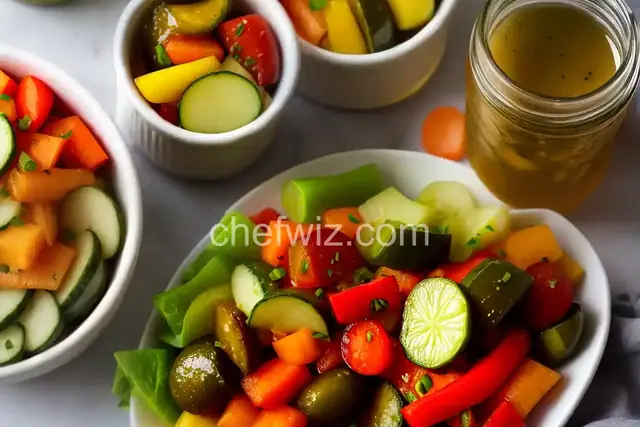
Making quick pickled veggies is incredibly easy. All you need is leftover pickle juice and your favorite vegetables. You can use a variety of veggies like cucumbers, carrots, onions, radishes, or even cauliflower. Here's a simple step-by-step guide:
Wash and slice your chosen vegetables into desired shapes and sizes. You can go for thin rounds, julienne strips, or even chunky pieces, depending on your preference.
Pour the leftover pickle juice into a small saucepan and heat it over medium heat until it comes to a gentle simmer. Heating the pickle juice helps infuse the flavors into the veggies more quickly.
Once the pickle juice is warm, add the prepared vegetables to the saucepan. Let them simmer in the pickle juice for about 5-10 minutes or until they reach your desired level of crunchiness.
Remove the saucepan from the heat and let the pickled veggies cool down to room temperature. Once cooled, transfer them along with the pickle juice into a clean jar or airtight container. Store it in the refrigerator for at least a day before consuming for the flavors to develop fully.
Quick pickled veggies can be enjoyed in a multitude of ways. Here are some ideas to get you started:
Enhance the taste and texture of your sandwiches by adding a layer of tangy pickled veggies. They can complement any filling, be it chicken, turkey, or even a vegetarian option.
Give your salads and grain bowls a burst of flavor with a handful of pickled veggies. They can add a refreshing crunch and a tangy kick, elevating the overall taste of your dish.
Quick pickled veggies make for an excellent side dish. They pair well with grilled meats, roasted chicken, or even a simple bowl of rice. Their tanginess can balance out rich and savory flavors.
Arrange an assortment of pickled veggies on a plate to create a colorful and flavorful appetizer. It's a fantastic option for entertaining guests or snacking on a lazy afternoon.
Don't let that precious leftover pickle juice go to waste! With a little creativity, you can transform it into a delightful batch of quick pickled veggies. Not only will you reduce food waste, but you'll also elevate your meals with a burst of tangy flavor. So, next time you finish a jar of pickles, remember the possibilities that lie within that jar of leftover pickle juice. Happy pickling!
Yes, you can reuse pickle juice for pickling multiple times. However, keep in mind that the flavors may become milder with each reuse.
Quick pickled veggies can last for several weeks when stored properly in the refrigerator. Just make sure to use a clean utensil each time you take them out.
Absolutely! Feel free to experiment with the pickle juice by adding a pinch of sugar for sweetness or a sprinkle of chili flakes for spiciness. Adjust it to suit your taste preferences.
Yes, you can pickle a wide variety of vegetables. Carrots, onions, radishes, and cauliflower are just a few examples of vegetables that can be pickled.
While pickle juice is traditionally used for pickling vegetables, you can experiment with pickling certain fruits like watermelon rinds or green tomatoes. However, the flavors may differ from traditional fruit pickles.
It's a good practice to sterilize the jars before storing pickled veggies to ensure longer shelf life and prevent any unwanted bacteria. You can do this by boiling the jars in hot water for a few minutes.
Yes, you can use store-bought pickle juice for pickling veggies. Just make sure to choose a pickle juice that you enjoy the flavor of, as it will greatly impact the taste of the pickled veggies.
While you can't directly adjust the acidity level of the pickle juice, you can dilute it with a bit of water if you find it too strong. This will help mellow out the flavors.
AprilCook, recipe developer and the heart of Chefwiz. More about April