Quick Injera
Rate this recipeBe the first to rate
 By AprilPublished
 Are you a fan of Ethiopian cuisine? If so, you've probably heard of injera.
 By AprilPublished
 Are you a fan of Ethiopian cuisine? If so, you've probably heard of injera.
Combine the all-purpose flour, rye flour, baking powder, and salt in a food processor and pulse until well mixed. In a separate measuring cup, mix the club soda and vinegar. While the food processor is running, gradually pour the liquid mixture into the processor and continue mixing until the batter becomes smooth. Allow the batter to rest for 10 minutes.
Preheat a nonstick skillet (with a diameter of 10 inches) over medium heat. Spray a thin layer of nonstick spray onto the skillet. Prepare the injera in a similar way to making a crepe: Remove the skillet from heat and tilt the side farthest from you downwards. Pour 1/3 cup of the batter slightly off-center and away from you, then quickly swirl the pan to ensure the batter covers the entire surface. Return the pan to heat, cover with a lid, and cook until the edges start to separate from the pan and the top becomes shiny and slightly dry. This should take approximately 90 seconds to 2 minutes. Gently remove the injera from the pan and transfer it to a plate, with the top side facing up. Serve the injera once it has cooled.
Are you a fan of Ethiopian cuisine? If so, you've probably heard of injera. Injera is a spongy, sourdough flatbread that is a staple in Ethiopian and Eritrean cuisine. It's not only delicious but also versatile, as it can be used as a utensil to scoop up stews and sauces. In this article, we'll explore the world of injera and how you can make a quick version of this traditional dish. So, let's dive in!
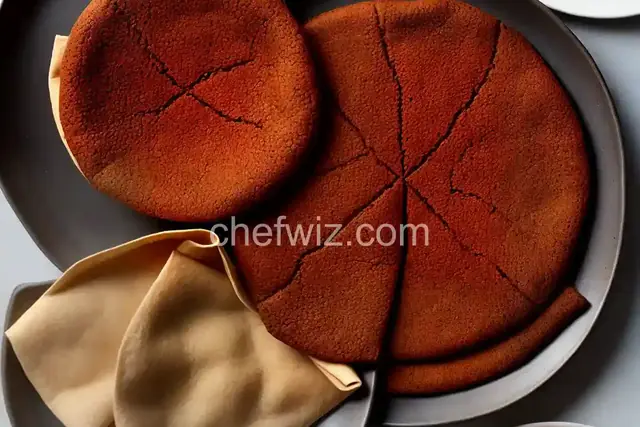
Injera is a unique type of bread that is commonly eaten in Ethiopia and Eritrea. It is made from a fermented batter of teff flour, which is a gluten-free grain native to these countries. The batter is left to ferment for a few days, resulting in a tangy and slightly sour flavor. The texture of injera is spongy, with small holes throughout the bread.
Traditionally, injera is made by fermenting the teff flour batter for several days. However, if you're short on time, you can make a quick version of injera that still captures the essence of the traditional dish.
Making quick injera is a straightforward process that requires only a few ingredients. Start by combining teff flour, water, and a pinch of salt in a bowl. Mix until you have a smooth batter. Then, let the batter rest for about 30 minutes to allow the flavors to develop.
Next, heat a non-stick skillet or griddle over medium heat. Once the skillet is hot, pour a ladleful of the batter onto the skillet and spread it evenly in a circular motion. Cook the injera for about 2-3 minutes on one side until it starts to bubble and the edges lift slightly. Then, flip the injera and cook for an additional minute on the other side.
Repeat this process with the remaining batter until you have a stack of injera. The quick injera is now ready to be served and enjoyed with your favorite Ethiopian dishes!
Injera's popularity extends beyond its unique taste and texture. It is a versatile bread that complements a wide range of dishes. Its spongy texture makes it perfect for scooping up flavorful stews and sauces, providing a delicious and interactive dining experience.
Moreover, injera is gluten-free, making it suitable for individuals with gluten sensitivities or those following a gluten-free diet. Teff flour, the main ingredient in injera, is packed with nutrients, including iron, calcium, and fiber.
Injera is more than just a bread; it's a cultural icon that represents the heart and soul of Ethiopian and Eritrean cuisine. Whether you're a fan of Ethiopian food or simply looking to try something new, making quick injera is a fantastic way to explore the flavors of this vibrant cuisine. So, gather your ingredients, heat up your skillet, and get ready to enjoy the delightful taste of injera!
While teff flour is traditionally used to make injera, you can experiment with other gluten-free flours, such as sorghum or rice flour. However, keep in mind that the flavor and texture of the injera may differ.
The batter should rest for about 30 minutes to allow the flavors to develop. This resting period also helps the injera become slightly fermented, imparting a tangy flavor.
Yes, you can use a regular skillet or griddle. Just make sure to grease it lightly with oil or butter before pouring the batter to prevent sticking.
Yes, you can freeze quick injera. Place parchment paper between each piece to prevent them from sticking together. To thaw, simply let the injera come to room temperature or warm it up in a skillet.
No, injera itself is not spicy. However, it is often served with spicy stews and sauces, which adds a kick of heat to the overall meal.
Yes, you can make injera in advance. Store it in an airtight container or wrap it tightly in plastic wrap to keep it fresh. It will stay good for a few days at room temperature or up to a week in the refrigerator.
While traditional injera is made with a sourdough starter, the quick version does not require it. However, if you have a sourdough starter on hand, you can experiment with adding a small amount to the batter for a more complex flavor profile.
Yes, you can use quick injera as a gluten-free pizza crust. Simply top it with your favorite pizza toppings and bake until the cheese is melted and bubbly.
AprilCook, recipe developer and the heart of Chefwiz. More about April