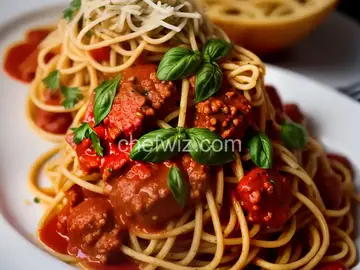
Puttanesca I
Rate this recipeBe the first to rate
 By AprilPublished
 When it comes to classic Italian pasta dishes, few can rival the bold and flavorful Puttanesca.
 By AprilPublished
 When it comes to classic Italian pasta dishes, few can rival the bold and flavorful Puttanesca.
Start by boiling a generous amount of water in a large pot and add a pinch of salt.
Cook the pasta in the boiling water for about 8 to 10 minutes, or until it reaches the desired texture (al dente). Once cooked, drain the pasta.
In a skillet, heat some oil over low heat and cook the garlic until it turns golden.
Add the sieved tomatoes to the skillet and cook for approximately 5 minutes.
Stir in the anchovies, tomato paste, capers, olives, and red pepper flakes. Cook the mixture for about 10 minutes, occasionally stirring.
Combine the cooked pasta with the sauce.
Serve and enjoy the delicious pasta dish.
When it comes to classic Italian pasta dishes, few can rival the bold and flavorful Puttanesca. This iconic dish is a staple in Italian cuisine, known for its rich and tangy flavors that awaken the taste buds. But what makes Puttanesca truly special? Let's dive into the history, ingredients, and methods behind this beloved pasta dish.
Like many traditional recipes, the origins of Puttanesca are shrouded in mystery. Some believe it was created by the prostitutes of Naples who would whip up this quick and satisfying dish between clients. Others claim it was invented by fishermen who wanted a hearty meal after a long day at sea. Regardless of its origins, Puttanesca has stood the test of time and remains a favorite among pasta enthusiasts worldwide.
Puttanesca is a harmonious symphony of flavors that come together to create a truly unforgettable experience. The dish typically includes tomatoes, garlic, olives, capers, and anchovies. These ingredients work in perfect harmony to create a bold and tangy sauce that coats the pasta beautifully. The umami-rich anchovies add depth, while the briny olives and capers provide a delightful burst of saltiness. Each bite is like a culinary dance on your taste buds.
The key to a perfect Puttanesca lies in the sauce. While the ingredients are simple, the technique is crucial. Start by sautéing garlic in olive oil until golden and fragrant. Then, add a can of crushed tomatoes and simmer until the sauce thickens slightly. Finally, stir in the olives, capers, and anchovies, allowing the flavors to meld together over low heat. The result is a sauce that is both robust and vibrant.
Choosing the right pasta to accompany your Puttanesca sauce is essential. The traditional choice is spaghetti, which allows the sauce to cling to each strand. However, feel free to experiment with other pasta shapes, such as penne or linguine, for a unique twist. The key is to ensure that the pasta is al dente, providing a satisfying bite that complements the bold flavors of the sauce.
Now that you have the knowledge, it's time to put it into practice. Start by cooking your pasta until al dente, then drain it, reserving some of the cooking water. In a separate pan, heat the sauce, adding a splash of the pasta water to create a silky consistency. Toss the cooked pasta in the sauce, ensuring each strand is coated evenly. Top with a sprinkle of grated Parmesan cheese and a drizzle of extra virgin olive oil. Your Puttanesca masterpiece is ready to be enjoyed!
Puttanesca is more than just a pasta dish; it's a testament to the artistry of Italian cuisine. From its humble origins to its bold and vibrant flavors, this dish has captured the hearts and palates of food lovers around the world. So next time you're craving a taste of Italy, whip up a batch of Puttanesca and savor the flavors that have stood the test of time.
While anchovies are a traditional ingredient in Puttanesca, you can omit them if you prefer a vegetarian version. The dish will still be flavorful thanks to the other ingredients.
Any type of brine-cured olives will work well in Puttanesca. Kalamata olives are a popular choice, but feel free to use whatever variety you prefer.
Absolutely! If you have access to ripe, juicy tomatoes, feel free to chop them up and use them in place of canned tomatoes. Just be sure to cook them down until they release their juices and the sauce thickens.
Puttanesca is typically not spicy, but you can add a pinch of red pepper flakes if you like a bit of heat. Adjust the amount to your personal preference.
Absolutely! Puttanesca sauce freezes well, so feel free to make a large batch and freeze it in individual portions for future meals.
While traditional Puttanesca does not include vegetables, you can certainly add some if you'd like. Try sautéing bell peppers or zucchini along with the garlic for an extra burst of flavor.
Yes, you can use gluten-free pasta to make Puttanesca. There are many excellent gluten-free pasta options available that will work well with the sauce.
Puttanesca is best enjoyed fresh, but you can make the sauce in advance and store it in the refrigerator for up to 3 days. Just reheat the sauce and toss it with freshly cooked pasta when you're ready to serve.
AprilCook, recipe developer and the heart of Chefwiz. More about April