Purple Sticky Rice
Rate this recipeBe the first to rate
 By AprilPublished
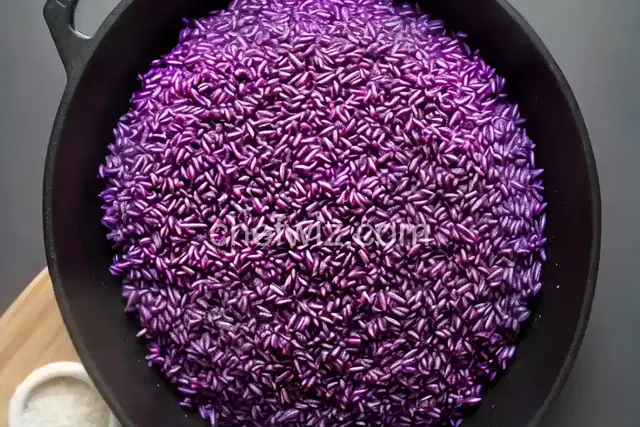
 Have you ever heard of purple sticky rice? If not, you're in for a delightful surprise!
 By AprilPublished
 Have you ever heard of purple sticky rice? If not, you're in for a delightful surprise!
Rinse both types of rice in a colander under cold running water until the water runs clear. Repeat this process several times.
Drain the rinsed rice well and transfer it to a medium bowl.
Pour enough cold water into the bowl to cover the rice by 2 inches.
Cover the bowl and refrigerate it for 12 hours.
Prepare a metal steamer basket by lining it with cheesecloth. Make sure you have enough cheesecloth to wrap around the rice.
Fill a medium pot with water, making sure it comes up the sides by 2 inches.
Place the lined steamer basket inside the pot.
Drain the chilled rice and place it inside the lined steamer basket.
Bring the cheesecloth up and over the rice to cover it completely.
Set the pot over medium heat and cover it.
Steam the rice for 20-25 minutes, or until it becomes tender.
Have you ever heard of purple sticky rice? If not, you're in for a delightful surprise! This exotic grain, popular in Southeast Asian cuisine, is not only visually stunning but also offers a unique flavor and texture. In this article, we will delve into the world of purple sticky rice, exploring its origins, health benefits, and culinary uses. So, let's embark on this flavorful journey together!
Native to the mountainous regions of Southeast Asia, purple sticky rice is a traditional staple in countries like Thailand, Laos, and Myanmar. This vibrant rice variety gets its distinctive color from anthocyanin, a natural pigment also found in foods like blueberries and purple sweet potatoes.
For centuries, purple sticky rice has been cultivated and consumed by local communities as a dietary staple. It holds cultural significance and is often served during special occasions, such as weddings and religious ceremonies. The unique color and texture of this rice make it a standout ingredient in various traditional dishes.
Beyond its visual appeal, purple sticky rice is also packed with numerous health benefits. Just like its brown and white counterparts, this grain is a good source of fiber, essential minerals, and vitamins. The high fiber content aids digestion and helps maintain healthy cholesterol levels.
What sets purple sticky rice apart is its rich antioxidant content. Anthocyanins, the pigments responsible for its vibrant hue, have been linked to a range of health benefits. These antioxidants help protect the body against free radicals, reducing the risk of chronic diseases and promoting overall well-being.
Moreover, purple sticky rice is gluten-free, making it an excellent alternative for individuals with gluten intolerance or celiac disease. It is also naturally low in fat and sodium, making it a healthy and nutritious choice for anyone looking to maintain a balanced diet.
When it comes to culinary applications, purple sticky rice offers endless possibilities. Its unique flavor and sticky texture make it a versatile ingredient that can be used in both sweet and savory dishes.
In traditional Southeast Asian cuisine, purple sticky rice is often used to make delectable desserts. From sweet rice puddings to colorful tropical fruit salads, the vibrant purple grains add a visual flair and a delightful taste to these treats. The sticky nature of the rice also lends itself well to creating indulgent rice cakes and dumplings.
But purple sticky rice isn't limited to desserts alone. It can also be incorporated into savory dishes, such as stir-fries or stuffed vegetables. Its natural sweetness and chewy texture provide a pleasant contrast to other ingredients, making each bite a burst of flavor.
Purple sticky rice is truly a culinary gem, offering both visual allure and a unique taste experience. Whether you're a fan of sweet treats or savory delights, this vibrant grain has something to offer. So why not embark on a culinary adventure and give purple sticky rice a try? You won't be disappointed!
Yes, purple sticky rice can be cooked in a similar way to regular rice. However, it requires a longer cooking time and slightly more water. Soaking the rice beforehand can also help achieve a softer texture.
Yes, purple sticky rice is gluten-free and safe for individuals with gluten intolerance or celiac disease. It offers a delicious alternative to wheat-based grains.
You can find purple sticky rice in specialty grocery stores, Asian markets, or online retailers. It may also be labeled as black sticky rice or forbidden rice.
Absolutely! Purple sticky rice can be used in a variety of savory dishes, such as stir-fries, stuffed vegetables, or even as a side dish to accompany meat or seafood.
Purple sticky rice has a slightly sweet and nutty flavor, with a chewy and sticky texture. It adds a delightful taste and unique mouthfeel to both sweet and savory dishes.
Yes, purple sticky rice is rich in antioxidants, fiber, and essential minerals. It offers numerous health benefits, including improved digestion, reduced risk of chronic diseases, and support for a balanced diet.
Apart from purple sticky rice, there are other varieties of sticky rice available, such as white sticky rice and black sticky rice. Each variety has its own unique characteristics and culinary uses.
Yes, purple sticky rice flour can be used as a gluten-free alternative in baking. It adds a unique flavor and texture to baked goods like cakes, bread, and pastries.
AprilCook, recipe developer and the heart of Chefwiz. More about April