Pupusas
Rate this recipeBe the first to rate
 By AprilPublished
 Are you ready to embark on a culinary journey to El Salvador?
 By AprilPublished
 Are you ready to embark on a culinary journey to El Salvador?
In a saucepan over medium-low heat, combine tomato sauce, water, cilantro, green bell pepper, onion, crushed garlic, bouillon cube, and salt. Cook and stir until the vegetables are soft, approximately 20 minutes.
Allow the salsa roja to cool for 10 minutes.
Fill a blender halfway with the salsa roja. Cover the blender and hold the lid down with a potholder. Pulse a few times and then blend until smooth. Pour the blended salsa into a bowl. Repeat this step with the remaining salsa roja.
Return the blended salsa to the saucepan and simmer for an additional 10 minutes, stirring occasionally. Let it cool completely for about 1 hour, then refrigerate.
Place cabbage and carrots in a large bowl. Add 4 cups of boiling water and let it stand for 5 minutes. Drain well. Mix in vinegar, scallions, oregano, and red pepper flakes. Chill the curtido until serving.
In a large skillet, cook the bacon over medium-high heat, turning occasionally, until almost fully cooked but not crispy, approximately 5 to 7 minutes. Transfer the bacon and grease (if desired) to a food processor. Add tomatoes, quartered green bell pepper, Monterey Jack cheese, and minced garlic. Puree the mixture and season with salt to taste.
In a bowl, mix masa harina and 1/2 cup
Are you ready to embark on a culinary journey to El Salvador? Get ready to savor the flavors of pupusas, the country's beloved national dish. These mouthwatering treats are a true delight for food lovers. In this article, we'll explore the origins, ingredients, and the art of making pupusas. Let's dive in!
Imagine stepping into the vibrant streets of El Salvador, where the air is filled with the aroma of freshly made pupusas. These delectable delights have been a staple of Salvadoran cuisine for centuries. The word "pupusa" is derived from the Pipil language, spoken by the indigenous people of El Salvador, and it means "stuffed."
Pupusas are more than just a dish; they are a cultural emblem, representing the country's rich heritage. This traditional food is a fusion of indigenous and Spanish influences, creating a unique culinary experience that is both comforting and satisfying.
Creating the perfect pupusa requires skill and precision. The dough, made from masa harina (a type of corn flour), is carefully mixed with water and a pinch of salt. This simple mixture forms the foundation of the pupusa. But what truly sets pupusas apart is the filling.
From savory classics like cheese and beans to more adventurous options like loroco (a native flower bud) or chicharrón (pork cracklings), the possibilities are endless. The filling is gently placed in the center of the dough, and then the dough is carefully folded and flattened into a thick, round pancake.
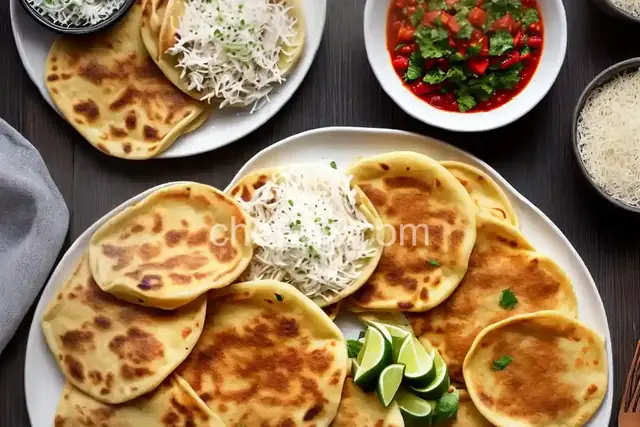
Once the pupusas are formed, they are cooked on a hot griddle until golden brown and slightly crispy on the outside. The end result is a warm, oozing pocket of flavor that will leave you craving for more.
One bite into a pupusa is like taking a journey through a land of flavors. The combination of the soft, slightly chewy dough and the rich, savory filling creates a culinary symphony in your mouth. The cheese melts, the beans ooze, and the flavors dance on your taste buds.
Just like a well-crafted melody, pupusas offer a harmonious balance of textures and tastes. The dough provides a comforting base, while the filling adds a burst of excitement and flavor. It's a perfect harmony that will leave you wanting more.
Pupusas are more than just a delicious dish; they are a symbol of community and connection. In El Salvador, pupusas are often enjoyed in social settings, where families and friends gather to share a meal and create lasting memories.
Whether you're enjoying pupusas at a street vendor's stall or in the comfort of your own home, the experience is always a special one. It's a taste of El Salvador, a connection to a rich culture, and a reminder that food has the power to bring people together.
Pupusas are a true culinary gem, a dish that encapsulates the flavors, history, and traditions of El Salvador. From their humble origins to their status as a beloved national dish, pupusas have captured the hearts and palates of food lovers around the world.
So, the next time you're in the mood for a culinary adventure, why not try your hand at making pupusas? Gather your loved ones, create a warm and inviting atmosphere, and savor the flavors of El Salvador. You won't be disappointed!
Pupusas originated in El Salvador and have been a part of the country's cuisine for centuries.
The dough for pupusas is made from masa harina, a type of corn flour.
Absolutely! Pupusas can be filled with a variety of ingredients, from cheese and beans to loroco or chicharrón.
Pupusas are cooked on a hot griddle until golden brown and slightly crispy on the outside.
Traditional pupusas are gluten-free, as they are made with masa harina, which is naturally gluten-free.
Yes, you can freeze pupusas for later enjoyment. Simply thaw and reheat them when you're ready to eat.
Pupusas themselves are not spicy, but you can add hot sauce or salsa to add some heat if desired.
Yes, pupusas have gained popularity worldwide, and you can find them in many countries, often in areas with Salvadoran communities.
AprilCook, recipe developer and the heart of Chefwiz. More about April