Puerto Rican Pernil
Rate this recipeBe the first to rate
 By AprilPublished
 Are you ready to embark on a culinary adventure that will awaken your taste buds and transport you to the vibrant flavors of Puerto Rico?
 By AprilPublished
 Are you ready to embark on a culinary adventure that will awaken your taste buds and transport you to the vibrant flavors of Puerto Rico?
In a mortar and pestle or small food processor, crush or blend garlic and 1 tablespoon plus 1 1/2 teaspoons of salt until it forms a paste.
Add orange juice, oregano, lime juice, adobo seasoning, and pepper to the garlic mixture and continue to crush or blend until well combined.
Stir or blend in oil until the mixture becomes smooth and fully incorporated.
Rinse the pork under cold running water and pat it dry with paper towels.
Place the pork on a cutting board with the skin side facing up.
Use a sharp and flexible knife to separate the skin and fat cap from the meat, leaving one side of the skin attached to create a flap.
Peel back the flap and make incisions on all sides of the meat using a paring knife, avoiding the skin flap.
Spoon the marinade over the meat in batches, ensuring that some marinade is pushed into the incisions.
Replace the skin flap and transfer the pork to a roasting bag or tightly wrap it with plastic.
Allow the pork to marinate for at least 2 hours or up to 2 days.
Preheat the oven to 350°F and line a baking sheet or roasting pan with heavy-duty foil. Place a wire rack on the sheet.
Remove the pork from the marinade and place it on the wire rack with the skin side facing up.
Are you ready to embark on a culinary adventure that will awaken your taste buds and transport you to the vibrant flavors of Puerto Rico? Get ready to indulge in the succulent delight that is Puerto Rican Pernil. This mouthwatering dish is a staple in Puerto Rican cuisine, and it's no wonder why. The combination of tender, slow-roasted pork infused with a medley of aromatic spices creates a symphony of flavors that will leave you craving for more.
Just like any masterpiece, Puerto Rican Pernil requires time, patience, and attention to detail. The magic happens when the pork shoulder is marinated overnight in a blend of herbs and spices, allowing the flavors to penetrate deep into the meat. The next day, the pork is slow-roasted to perfection, resulting in a tender and juicy centerpiece that will steal the show at any gathering.
What sets Puerto Rican Pernil apart from other roasted pork dishes is the unique blend of spices that infuse the meat with a burst of flavor. The marinade typically consists of garlic, oregano, cumin, black pepper, and a hint of citrus. This harmonious combination creates a balance of savory and tangy notes that dance on your palate with every bite.
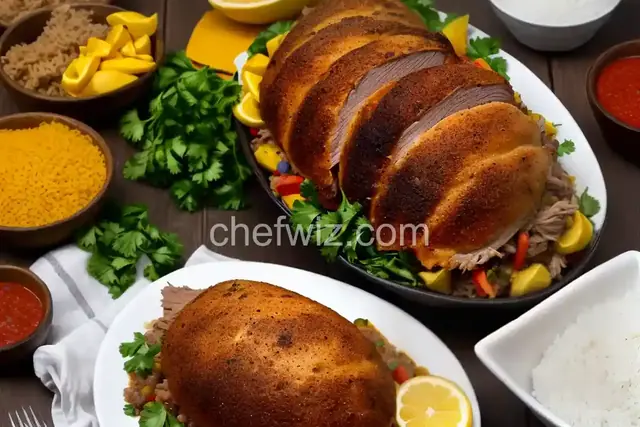
No discussion of Puerto Rican Pernil would be complete without mentioning the irresistible crackling skin. As the pork roasts, the skin crisps up to perfection, creating a heavenly contrast of textures. With each bite, you'll experience the satisfying crunch followed by the succulent meat underneath. It's a delightful symphony of textures that elevates this dish to a whole new level.
While Puerto Rican Pernil can shine on its own, it's often served with traditional accompaniments that enhance the overall experience. Picture a plate filled with aromatic yellow rice, flavorful beans, and a side of tangy and refreshing coleslaw. Each component adds its own unique character, creating a symphony of flavors that complement the star of the show - the Puerto Rican Pernil.
Food has a way of bringing people together, and Puerto Rican Pernil is no exception. It's a dish that is often shared with loved ones during celebrations and gatherings. The aroma of the slow-roasting pork fills the air, enticing everyone to gather around the table. As you savor each bite, you'll create lasting memories and forge deeper connections with those around you.
While the traditional recipe calls for pork shoulder, you can experiment with other cuts of meat. However, keep in mind that the cooking time and flavors may vary.
For best results, marinate the pork shoulder overnight or for at least 8 hours. This allows the flavors to fully penetrate the meat.
While you can use store-bought marinade as a time-saving alternative, nothing beats the depth of flavor that comes from making your own marinade from scratch.
Preheat your oven to 325°F (165°C) and roast the pork for several hours until it reaches an internal temperature of 145°F (63°C).
To achieve crispy skin, increase the oven temperature to 450°F (230°C) during the last 30 minutes of roasting. This will help the skin crisp up and become golden brown.
While the traditional method involves slow-roasting in the oven, you can adapt the recipe for a slow cooker. The cooking time will vary, so adjust accordingly.
Leftover Puerto Rican Pernil is incredibly versatile. You can use it in sandwiches, tacos, quesadillas, or even add it to soups and stews for an extra punch of flavor.
Absolutely! Puerto Rican Pernil freezes well. Just make sure to store it in an airtight container or freezer bags to maintain its flavor and texture.
Now that you're armed with the knowledge of Puerto Rican Pernil, it's time to embark on your own culinary adventure. Gather your ingredients, let the flavors meld, and savor the mouthwatering delight that is Puerto Rican Pernil. You're in for a treat!
AprilCook, recipe developer and the heart of Chefwiz. More about April