Preserved Zucchini Recipe | Cook the Book
Rate this recipeBe the first to rate
 By AprilPublished
 Are you tired of wasting zucchini when it's in season? Do you wish you could enjoy it all year round?
 By AprilPublished
 Are you tired of wasting zucchini when it's in season? Do you wish you could enjoy it all year round?
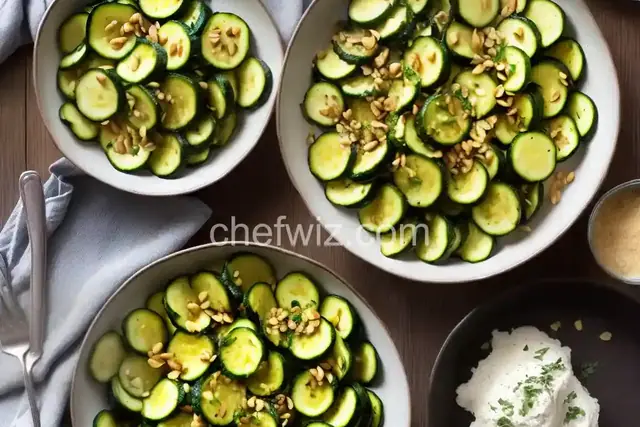
Adjust the oven rack to a position about 6 inches below the heating element. This will prevent the zucchini from burning or blistering. Preheat the broiler.
Lightly grease a baking sheet. Place the zucchini planks on the baking sheet and broil them for 5 to 7 minutes, until they are browned on top. Flip the zucchini over and broil the other side for 2 to 3 minutes, until browned. Alternatively, you can grill the zucchini.
Remove the cooked zucchini from the baking sheet and let them rest on paper towels. The cooking time may vary for different pieces of zucchini, so some may take longer to cook. The zucchini will release some juice, which is desired as it helps to dry them out slightly.
Once all the zucchini are cooked, arrange a layer of zucchini in a small square storage container or glass pan. Sprinkle parsley, garlic, salt, and black pepper over the zucchini to taste. Repeat the process to create several more layers, seasoning each layer. Finally, cover the zucchini with oil, either by placing a top on the container or covering it with plastic wrap. Refrigerate immediately to prevent spoilage and excessive absorption of oil. The oil should solidify quickly in the fridge.
When you want to use the zucchini, peel off the desired amount from the container, ensuring that the cold oil clings to the z
Are you tired of wasting zucchini when it's in season? Do you wish you could enjoy it all year round? Look no further! In this article, we will explore a delicious and easy way to preserve zucchini that will allow you to enjoy its freshness even during the colder months. So, let's dive in and learn how to cook the book!
Preserving zucchini is like capturing a burst of summer in a jar. It's a wonderful way to extend the shelf life of this versatile vegetable and unlock its potential in various dishes. Whether you want to add it to soups, stews, or stir-fries, preserved zucchini will always have your back.
So, how do we preserve zucchini? The answer lies in the magic of pickling. By pickling zucchini, we not only preserve its freshness but also enhance its flavor profile. The combination of tangy vinegar, aromatic herbs, and spices infuses the zucchini with a delightful tang and unique depth.
Pickling zucchini is like sending it on a transformative journey. Just like a caterpillar turning into a butterfly, zucchini undergoes a metamorphosis in the pickling process. It goes from being a simple vegetable to becoming a tangy, flavor-packed delight.
Imagine biting into a pickled zucchini slice. The tangy vinegar dances on your taste buds, while the herbs and spices add layers of complexity. It's like a symphony of flavors, with each ingredient playing its part to create a harmonious culinary experience.
Preserving zucchini isn't just about preserving its taste; it's about preserving memories. Each jar of pickled zucchini is a glimpse into the past, a snapshot of the bountiful summer harvest. It's a way to relive those sunny days and savor the flavors of the season all year long.
Think about the joy of opening a jar of preserved zucchini in the middle of winter. As soon as you pop the lid, the vibrant colors and enticing aroma take you back to the warm summer days. It's like a time machine that transports you to a different season with just one whiff.
Preserving zucchini through pickling is a simple yet rewarding process. It allows you to capture the essence of summer and enjoy the flavors of this versatile vegetable all year round. So, the next time you have an abundance of zucchini, don't let it go to waste. Cook the book and preserve your memories in a jar!
Preserved zucchini can last for up to a year if stored properly in a cool, dark place.
Yes, you can use any type of zucchini for pickling. Just make sure they are fresh and firm.
Absolutely! You can customize the pickling liquid according to your taste preferences. Add more or less spices to adjust the level of spiciness.
No, it's not recommended to reuse the pickling liquid as it may contain bacteria from the previous batch. It's best to make a fresh batch each time.
Yes, you can experiment with different combinations of vegetables. Pickling cucumbers, carrots, and onions along with zucchini can create a delicious medley of flavors.
The pickling process typically takes around 24 to 48 hours, depending on the recipe and desired level of flavor infusion.
Yes, you can reuse pickling jars as long as they are in good condition and properly sterilized before each use.
Yes, adding sugar to the pickling liquid can help balance the flavors and add a touch of sweetness. Adjust the amount according to your taste.
AprilCook, recipe developer and the heart of Chefwiz. More about April