Pot Stickers Traditional
Rate this recipeBe the first to rate
 By AprilPublished
 Have you ever had the pleasure of biting into a perfectly cooked pot sticker?
 By AprilPublished
 Have you ever had the pleasure of biting into a perfectly cooked pot sticker?
In a large, deep skillet, crumble the pork and cook over medium-high heat until it is browned evenly. Drain the pork and set it aside.
In a medium bowl, combine the cooked pork, cabbage, green onion, ginger, water chestnuts, salt, sugar, and sesame oil. Mix well and refrigerate for 6 to 8 hours, or overnight.
Take a tablespoon of the pork mixture and place it onto each wonton wrapper. Fold the wrappers and seal the edges using a moistened fork.
In a large, deep skillet, heat 3 tablespoons of vegetable oil over medium-high heat. Place the pot stickers into the oil with the seam sides facing up. Heat for about 30 seconds to a minute.
Pour water into the skillet and gently boil for 7 to 8 minutes until the oil and water begin to sizzle. Then, add the remaining oil. Once the bottoms of the pot stickers start to brown, remove them from the heat.
In a small serving bowl, mix together the chili oil, soy sauce, and vinegar. Adjust the proportions to taste.
Have you ever had the pleasure of biting into a perfectly cooked pot sticker? The crispy outside, the juicy filling, and the burst of flavors with every bite. It's a delightful experience that leaves you craving for more. In this article, we will explore the traditional pot sticker, its origins, and the best way to enjoy this delectable dumpling.
The origins of pot stickers can be traced back to ancient China. Legend has it that a chef accidentally left a pot of dumplings on the stove for too long, resulting in a crispy bottom and a tender filling. This happy accident gave birth to the pot sticker, also known as "guo tie" in Chinese. The name "pot sticker" refers to the cooking method, as the dumplings are first pan-fried and then steamed, sticking to the pot.
Over time, pot stickers became a popular dish in Chinese cuisine, and their fame spread to other parts of Asia and the world. Today, they are enjoyed as a staple street food in many countries, loved for their simplicity and deliciousness.
What makes a pot sticker so special? It's all about the combination of textures and flavors. A well-made pot sticker has a crispy bottom, thanks to the pan-frying process, while the top remains soft and tender. The filling is a harmonious blend of meat, vegetables, and seasonings, creating a burst of umami with every bite. The dipping sauce adds another layer of flavor, enhancing the overall experience.
When it comes to filling, there are endless possibilities. From traditional pork and cabbage to vegetarian options like mushroom and tofu, you can get creative and tailor the filling to your liking. The key is to ensure the filling is well-seasoned and balanced, so each ingredient shines through.
Now that we know what makes a perfect pot sticker, let's talk about the art of eating them. It's not just about taking a bite and savoring the flavors. Eating pot stickers is a sensory experience that engages all your senses.
First, take a moment to appreciate the aroma. As the pot stickers are served, the air fills with the tantalizing scent of the pan-fried dumplings and the dipping sauce. Let it waft through your senses, building anticipation.
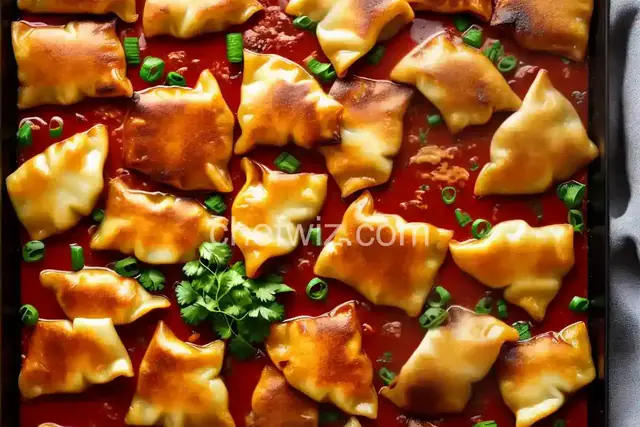
Next, admire the presentation. The pot stickers are arranged neatly on a plate, their golden brown bottoms glistening. They are like little works of art, waiting to be devoured.
Now, it's time to dig in. Take a pot sticker and dip it into the sauce. The first bite is a symphony of textures and flavors. Crispy, tender, savory, and slightly tangy. Chew slowly and let the flavors dance on your palate. Feel the satisfaction as you savor each bite, knowing that you are experiencing a time-honored culinary tradition.
Pot stickers are more than just a delicious dumpling. They are a symbol of culinary creativity and tradition. Whether you enjoy them as a street food snack or make them at home, pot stickers are a delightful experience that brings people together. So next time you have the chance, savor the flavors, appreciate the craftsmanship, and let the pot stickers transport you to a world of taste and tradition.
Yes, you can! Pot stickers can be prepared in advance and frozen for later use. Simply arrange them on a baking sheet lined with parchment paper, freeze until firm, and then transfer them to a freezer bag. When you're ready to cook, no need to thaw, just add a few minutes to the cooking time.
There are many delicious dipping sauce options for pot stickers. A classic combination is soy sauce, rice vinegar, and a touch of sesame oil. You can also add chili oil for a spicy kick or experiment with different herbs and spices to create your own unique sauce.
Absolutely! Pot stickers can easily be made vegetarian by using a combination of vegetables, tofu, or other plant-based proteins as the filling. You can get creative with ingredients like mushrooms, carrots, cabbage, and even edamame.
While pot stickers are delicious, they are typically pan-fried, which adds some extra calories. However, you can make healthier versions by steaming or baking them instead. Additionally, using lean protein and plenty of veggies in the filling can make them a nutritious choice.
Yes, you can reheat leftover pot stickers. The best way to do this is to steam them for a few minutes until heated through. Avoid using the microwave, as it can make the dumpling wrappers soggy.
Pot stickers are a type of dumpling, but not all dumplings are pot stickers. Dumplings come in various shapes and cooking methods, while pot stickers specifically refer to the pan-fried and steamed variety.
Yes, you can make gluten-free pot stickers by using gluten-free dumpling wrappers or making your own with alternative flours like rice flour or tapioca flour.
To prevent pot stickers from sticking to the pan, make sure the pan is well-heated and coated with a thin layer of oil before adding the dumplings. Also, avoid overcrowding the pan, as this can cause them to stick together.
AprilCook, recipe developer and the heart of Chefwiz. More about April