Pork, Vegetable, and Tamarind Stew (Sinigang)
Rate this recipeBe the first to rate
 By AprilPublished
 Are you looking for a hearty and comforting dish to warm your soul?
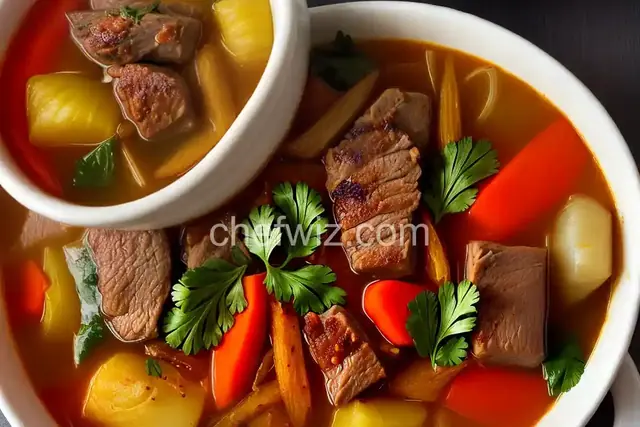 By AprilPublished
 Are you looking for a hearty and comforting dish to warm your soul?
Prepare a sachet by placing bay leaves and peppercorns in the center of a cheesecloth and tying it closed with kitchen twine. Set aside.
Use a spice mill to grind the mushrooms into a powder.
In a large heavy pot, heat 2 tablespoons of oil over medium-high heat. Cook the onion, garlic, and chiles, stirring often, until softened, which should take about 5 minutes.
Add the tomatoes to the pot and continue cooking, stirring often, until they are partly broken down and very saucy, which should take about 5 minutes.
Add the ribs, mushroom powder, reserved sachet, and 12 cups of water to the pot. Bring the mixture to a boil, then reduce the heat.
Place the tamarind pulp in a small medium-mesh sieve and partially submerge it into the simmering liquid. The tamarind will soften and start to dissolve over time.
Cook the ribs, skimming any foam from the surface, until they are very tender. This should take about 2 to 2 ½ hours. The meat should be practically falling off the bone for ribs and shred easily for pork shoulder.
Season the mixture with salt and push the tamarind pulp through the sieve using a rubber spatula. Taste as you go and adjust the amount of tamarind to achieve the desired level of sourness. Discard any remaining t
Are you looking for a hearty and comforting dish to warm your soul? Look no further than Pork Vegetable and Tamarind Stew, also known as Sinigang. This Filipino classic is a delightful combination of tender pork, an array of vegetables, and a tangy tamarind-flavored broth. In this article, we'll explore the origins of Sinigang, the key ingredients that give it its distinctive flavor, and how you can make this delicious stew at home.
Sinigang is a beloved dish in the Philippines, known for its sour and savory flavors. It has a long history and is considered a staple in Filipino cuisine. The word "Sinigang" actually comes from the Tagalog word "sigang," which means "to stew." Traditionally, Sinigang was made with fish, but over time, pork became the preferred protein.
One of the key ingredients that sets Sinigang apart is tamarind. Tamarind is a tropical fruit that has a tangy and slightly sweet taste. It is used to make the broth of the stew, giving it its distinct sour flavor. Other common ingredients in Sinigang include tomatoes, onions, garlic, and various vegetables such as kangkong (water spinach), radishes, and eggplants. The combination of these ingredients creates a harmonious balance of flavors that is both refreshing and comforting.
Making Sinigang at home is a relatively simple process. Start by sautéing garlic and onions in a pot until they become fragrant. Next, add the pork and brown it slightly. Then, pour in water and tamarind paste or tamarind powder to create the base of the stew. Let the broth simmer for a while to allow the flavors to meld together.
Once the broth is well-developed, it's time to add the vegetables. Feel free to get creative and use a variety of vegetables that you enjoy. Some popular choices include kangkong, radishes, eggplants, okra, and long beans. The vegetables should be added in stages, starting with the ones that take longer to cook and ending with the more delicate ones. This ensures that all the vegetables are perfectly cooked and retain their vibrant colors.
After adding the vegetables, let the stew simmer until they are tender. Be careful not to overcook them, as you want them to retain a bit of crunch. Season the stew with fish sauce or soy sauce, adjusting the amount to suit your taste. The final touch is a handful of fresh leafy greens, such as spinach or bok choy, which add a burst of color and freshness to the stew.
Sinigang is typically served hot and enjoyed with steamed rice. The combination of the flavorful broth and the tender pork, along with the medley of vegetables, creates a satisfying and nourishing meal. The tangy and savory flavors of Sinigang are a true delight for the taste buds.
So why not give Pork Vegetable and Tamarind Stew a try? It's a delicious and comforting dish that will transport you to the vibrant flavors of the Philippines. Whether you're a fan of Filipino cuisine or simply looking for something new to add to your recipe repertoire, Sinigang is a must-try. Gather your ingredients, get cooking, and savor every spoonful of this delightful stew.
No, Sinigang is not typically spicy. It is known for its sour and savory flavors rather than heat. However, you can add chili peppers if you prefer a spicy kick.
Absolutely! While pork is the traditional choice for Sinigang, you can also use chicken, beef, shrimp, or even fish to make this stew.
Yes, you can make a vegetarian or vegan version of Sinigang by omitting the meat and using vegetable broth instead. Simply load up on a variety of vegetables to make a flavorful and hearty stew.
Tamarind paste or powder can be found in most grocery stores, particularly in the international or Asian food aisles. If you can't find it, you can also use fresh tamarind pulp or even tamarind concentrate.
Yes, you can freeze leftover Sinigang. Just make sure to store it in an airtight container and consume it within a few months for the best quality.
Popular side dishes to serve with Sinigang include steamed rice, crispy fried fish, and blanched vegetables like bok choy or water spinach.
Yes, you can adjust the sourness of the stew by adding more or less tamarind. Start with a smaller amount and taste as you go, adding more if desired.
Yes, there are regional variations of Sinigang in the Philippines. Some use different souring agents like guava or calamansi instead of tamarind. Others may add additional ingredients like taro or green mangoes for a unique twist.
In conclusion, Pork Vegetable and Tamarind Stew (Sinigang) is a delightful Filipino dish that combines tender pork, a medley of vegetables, and a tangy tamarind-flavored broth. With its sour and savory flavors, Sinigang is a comforting and satisfying stew that will warm you from the inside out. Whether you're a fan of Filipino cuisine or simply looking to try something new, give Sinigang a try and savor the vibrant flavors of this classic dish.
AprilCook, recipe developer and the heart of Chefwiz. More about April