Introduction
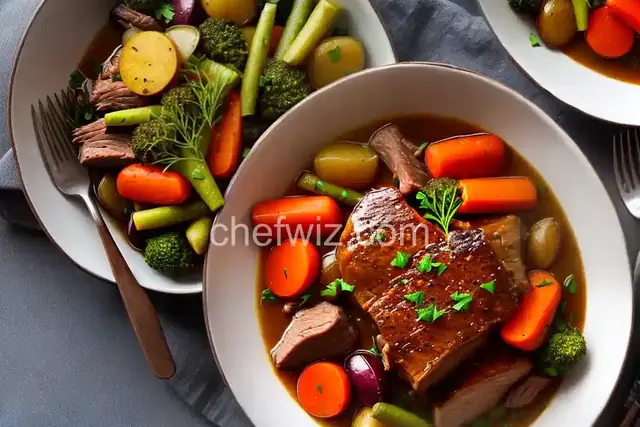
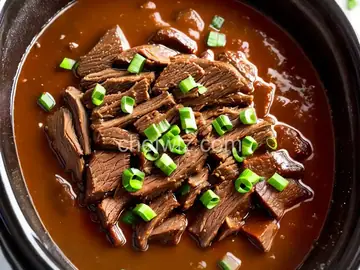
Picture this: a cozy winter evening, the comforting aroma of a delicious pot roast filling your home, and a mouthwatering meal waiting to be enjoyed. There's nothing quite like a pork shoulder pot roast with winter vegetables to warm your heart and satisfy your taste buds.
The Perfect Cut
When it comes to a pot roast, choosing the right cut of meat is crucial. The pork shoulder, also known as pork butt or Boston butt, is an ideal choice. This cut is marbled with fat, which adds flavor and ensures a tender and juicy roast. Just imagine the succulent meat falling apart as you take a bite – pure perfection!
Preparing the Meat
Before you dive into the cooking process, it's essential to prepare the meat properly. Season the pork shoulder liberally with salt and pepper, ensuring that each side is coated. This will not only enhance the flavor but also help create a beautiful crust on the outside.
Sealing in the Juices
To lock in all the juices and flavors, sear the pork shoulder in a hot pan before transferring it to the roasting pan. This step will give your roast a gorgeous caramelized color and an irresistible savory taste.
Adding Depth with Winter Vegetables
Now that you have the perfect pork shoulder, it's time to elevate your pot roast with a variety of winter vegetables. Carrots, parsnips, and potatoes are classic choices, but don't be afraid to get creative. Consider adding turnips, rutabagas, or even Brussels sprouts for a unique twist. These vegetables will not only absorb the rich flavors of the roast but also provide a variety of textures and colors.
Slow and Low
The key to a tender and flavorful pot roast is low and slow cooking. Set your oven to a low temperature, around 275°F (135°C), and let the magic happen. Allow the roast to cook for several hours, giving the meat enough time to become tender and the flavors to meld together. Patience is key here, but trust me, the end result will be worth it.
Conclusion
A pork shoulder pot roast with winter vegetables is a true winter delight. The combination of flavors, textures, and aromas will transport you to a cozy and comforting place. So next time you're looking for a hearty and satisfying meal, give this recipe a try. Your taste buds will thank you.
Frequently asked questions
- . How long does it take to cook a pork shoulder pot roast?
Cooking times can vary depending on the size of the roast. As a general guideline, plan for about 2.5 to 3 hours of cooking time per pound of meat. It's always a good idea to use a meat thermometer to ensure the internal temperature reaches at least 145°F (63°C) for medium doneness.
- . Can I use a different cut of meat for a pot roast?
While pork shoulder is the recommended cut for a pot roast, you can certainly experiment with other cuts. Beef chuck roast or lamb shoulder can be excellent alternatives, offering their unique flavors and textures.
- . What other seasonings can I use?
Feel free to get creative with your seasonings. Besides salt and pepper, you can add garlic powder, onion powder, paprika, rosemary, or thyme to enhance the flavors. Don't be afraid to experiment and find your perfect blend of seasonings.
- . Can I make a pot roast in a slow cooker?
Absolutely! A slow cooker is a fantastic tool for making a pot roast. Follow the same steps of searing the meat and adding the vegetables, then transfer everything to the slow cooker. Cook on low heat for 8 to 10 hours or on high heat for 4 to 6 hours, depending on your desired doneness.
- . How do I know when the pot roast is done?
The best way to determine if the pot roast is cooked to perfection is by using a meat thermometer. Insert it into the thickest part of the meat, and it should read at least 145°F (63°C) for medium doneness. Additionally, the meat should be tender and easily pull apart with a fork.
- . Can I make a gravy from the pan drippings?
Absolutely! The pan drippings from the pot roast are packed with flavor and can be transformed into a delicious gravy. Simply strain the drippings, skim off any excess fat, and whisk in a mixture of flour and broth until thickened. Season to taste and serve alongside the roast.
- . Can I freeze leftover pot roast?
Yes, you can freeze leftover pot roast. Allow the meat to cool completely, then transfer it to an airtight container or freezer bag. It can be stored in the freezer for up to three months. Thaw it in the refrigerator overnight before reheating.
- . What sides pair well with a pork shoulder pot roast?
The options are endless when it comes to side dishes for a pork shoulder pot roast. Classic choices include mashed potatoes, roasted Brussels sprouts, or buttered green beans. You can also serve it with crusty bread or a side salad for a lighter option.
 By AprilPublished