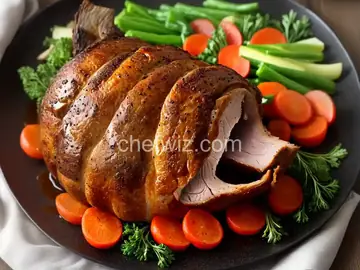
Pork Au Poivre
Rate this recipeBe the first to rate
 By AprilPublished
 Are you a fan of French cuisine? Do you enjoy the rich flavors and aromas that come from a well-cooked meal?
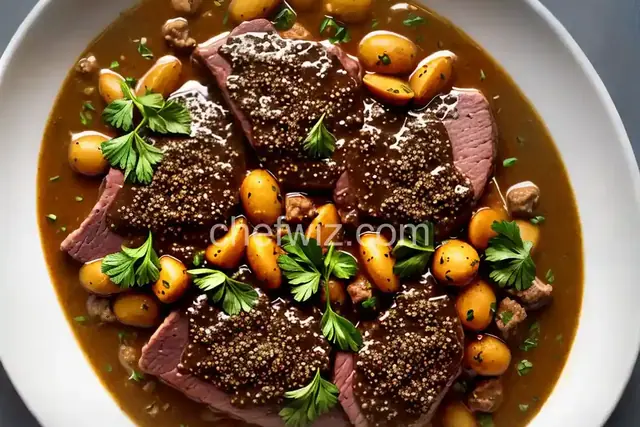 By AprilPublished
 Are you a fan of French cuisine? Do you enjoy the rich flavors and aromas that come from a well-cooked meal?
Begin by slicing the tenderloin lengthwise, ensuring not to cut all the way through.
Separate the meat into one large, flat piece.
Spread mustard evenly on both sides of the meat and gently rub in the pepper, making sure it sticks well.
Cut the meat into four equal portions.
Heat oil in a large skillet over medium heat.
Place the tenderloin in the skillet and cook for approximately 10 minutes, flipping once, or until an instant-read thermometer reads 155 degrees F.
Transfer the cooked meat to a plate and cover loosely with foil to keep it warm.
Add chicken broth and wine to the skillet, and cook over medium-high heat, scraping any bits stuck to the pan.
Continue cooking for 8 to 10 minutes, or until the sauce has reduced to about half a cup.
Pour the sauce over the meat, season with salt to taste, and serve.
Are you a fan of French cuisine? Do you enjoy the rich flavors and aromas that come from a well-cooked meal? If so, then you're in for a treat with this mouthwatering recipe for Pork Au Poivre. In this article, we'll explore the origins of this classic dish, its key ingredients, and how to prepare it to perfection. So, let's dive in and discover the secrets behind this delectable creation!
Like many French dishes, Pork Au Poivre has a long and storied history. Its name, which translates to "peppered pork," gives a clue to its defining characteristic: a generous coating of cracked black peppercorns on the outside of the meat. This simple yet flavorful technique was developed as a way to enhance the taste of pork and create a dish that would tantalize the taste buds of even the most discerning diner.
To create the perfect Pork Au Poivre, you'll need a few key ingredients. First and foremost, you'll need a high-quality cut of pork, such as a tenderloin or loin chop. The pepper crust is created by crushing black peppercorns, which adds a bold and spicy kick to the dish. Additionally, a good-quality Dijon mustard is used to help the peppercorns adhere to the pork and add another layer of flavor. Finally, a rich and creamy pan sauce made from shallots, brandy, and heavy cream ties all the flavors together and elevates this dish to new heights.
Now that we have our ingredients ready, let's dive into the preparation process. Start by generously coating your pork with cracked black peppercorns, pressing them into the meat to create a thick crust. Next, sear the pork in a hot skillet until it forms a beautifully golden crust on the outside. Transfer the pork to a baking dish and finish cooking it in the oven until it reaches the desired level of doneness.
While the pork is resting, it's time to prepare the pan sauce. In the same skillet used to cook the pork, sauté shallots until they become soft and translucent. Add brandy to the pan and let it reduce slightly before adding heavy cream. Simmer the sauce until it thickens and coats the back of a spoon. Season with salt and pepper to taste.
Pork Au Poivre is a classic French dish that combines simplicity and sophistication. The peppercorn crust adds a delightful kick to the tender pork, while the creamy pan sauce ties all the flavors together. Whether you're hosting a dinner party or simply want to treat yourself to a gourmet meal, Pork Au Poivre is sure to impress. So, why not give it a try and experience the magic of French cuisine in your own kitchen?
Absolutely! While Pork Au Poivre traditionally uses pork, you can experiment with other meats like beef or chicken to create your own twist on this classic recipe.
While pre-ground black pepper can be used, freshly cracked peppercorns will provide a more intense and aromatic flavor to the dish.
Yes, you can omit the brandy and still enjoy a delicious Pork Au Poivre. Simply substitute it with chicken or beef broth for a flavorful alternative.
Using a meat thermometer is the most accurate way to determine the doneness of the pork. For a tender and juicy result, aim for an internal temperature of 145°F (63°C).
Yes, you can freeze leftover Pork Au Poivre. Ensure that it is stored in an airtight container or freezer bag to maintain its freshness.
Absolutely! If you prefer a lighter sauce, you can use half-and-half or a combination of milk and Greek yogurt to achieve a similar creamy texture.
Classic accompaniments to this dish include roasted potatoes, steamed vegetables, or a fresh green salad. The choice is yours!
Certainly! If you prefer a milder version, you can reduce the amount of black peppercorns or opt for a milder variety of pepper. Feel free to customize it to suit your taste.
AprilCook, recipe developer and the heart of Chefwiz. More about April