Pork and Prawn Boiled Wontons
Rate this recipeBe the first to rate
 By AprilPublished
 When it comes to Chinese cuisine, there are few dishes as beloved and versatile as wontons.
 By AprilPublished
 When it comes to Chinese cuisine, there are few dishes as beloved and versatile as wontons.
Cook's Note: Chinese chives are also referred to as garlic chives or Japanese nira.
Filling:
- In a medium bowl, mix together the pork, shrimp, chives, 1 tablespoon of soy sauce, ginger, rice wine, cornstarch, sesame oil, and pepper. Set aside.
Wontons:
- Prepare a baking sheet by lining it with parchment paper and lightly dusting it with cornstarch.
- Take 1 wonton wrapper and place 1 1/2 teaspoons of filling in the center.
- Brush the edges of the wrapper with the beaten egg, then fold and shape the wrapper around the filling, forming a ball shape and twisting the top to secure it.
- Repeat this process with the remaining wrappers, lining them up on the prepared baking sheet.
- Place the wontons in the freezer for an hour to firm them up before cooking. Once frozen for an hour, you can either cook them or transfer them to an airtight container and freeze until ready to use.
Chili Sauce:
- In a small bowl, combine the soy sauce and chili sauce. Set aside.
Cooking:
- Bring a wok halfway full with water to a boil, then reduce the heat to a simmer.
- Cook the wontons in batches until they float to the surface, approximately 3 to 4 minutes.
- Using a slotted spoon, remove the cooked wontons from the water.
- Garnish with chives and serve immediately
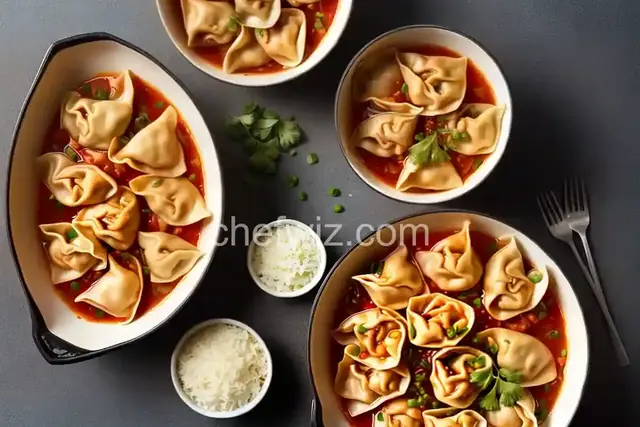
When it comes to Chinese cuisine, there are few dishes as beloved and versatile as wontons. These little parcels of deliciousness are a staple in many Asian households and can be found in various forms, from soup to stir-fry. But have you ever wondered what makes the perfect wonton? Let's dive into the world of pork and prawn boiled wontons and uncover the secrets to crafting these delectable treats.
At the heart of every wonton lies the filling. The combination of minced pork and succulent prawns creates a harmonious blend of flavors and textures. The pork adds depth and richness, while the prawns bring a delicate sweetness to the mix. It's a match made in culinary heaven.
The secret to a perfectly balanced filling lies in the ratio of pork to prawns. Too much pork, and the wonton becomes heavy and overwhelming. Too many prawns, and the filling may fall apart during cooking. Achieving the right balance is key to creating wontons that are both flavorful and structurally sound.
Once you have your filling ready, it's time to wrap your wontons. This step requires a bit of finesse and practice, but with time, you'll master the art of wonton folding. Think of it as creating tiny edible presents. The goal is to encase the filling snugly, ensuring no air is trapped inside.
There are various folding techniques you can explore, from simple triangles to more intricate folds. Whichever method you choose, the key is to seal the edges well, using a bit of water or egg wash as glue. This ensures your wontons don't fall apart while cooking and helps retain their shape.
Pork and prawn boiled wontons are a culinary delight that combines the flavors and textures of pork and prawns in a perfectly wrapped parcel. The art of making wontons lies in achieving the right balance of ingredients and mastering the folding technique. Whether you choose to boil or steam them, wontons are a versatile dish that can be enjoyed as an appetizer, in soups, or as part of a stir-fry. So, why not put your skills to the test and create your own batch of wonton masterpieces?
Yes, you can freeze uncooked wontons for later use. Place them on a parchment-lined tray and freeze until firm. Once frozen, transfer them to a resealable bag or container. They can be cooked directly from frozen, adding a few extra minutes to the cooking time.
Absolutely! Wontons can be filled with a variety of proteins, such as chicken, beef, or even tofu for a vegetarian option. Feel free to experiment and create your own unique flavor combinations.
There are several dipping sauces that pair perfectly with wontons. Traditional options include soy sauce, chili oil, and a combination of soy sauce, vinegar, and sesame oil. Get creative and try different sauces to find your favorite.
Yes, store-bought wonton wrappers are a convenient option if you don't have time to make your own. Look for them in the refrigerated section of your local Asian grocery store.
Boiled wontons typically take around 5-7 minutes to cook. The exact cooking time may vary depending on the size of the wontons and the heat of your boiling water. To ensure they are fully cooked, look for a slightly translucent appearance and a firm texture.
Absolutely! Wontons can be made in advance and stored in the refrigerator until ready to cook. Just make sure to keep them covered with a damp cloth or plastic wrap to prevent them from drying out.
To prevent wontons from sticking together, make sure to give them enough space when placing them on a tray or plate. You can also lightly dust them with cornstarch to create a protective barrier.
Yes, steaming is another popular cooking method for wontons. Simply place them in a steamer basket lined with parchment paper and steam for about 8-10 minutes. Steamed wontons have a softer texture and are a great option for those looking for a healthier alternative.
AprilCook, recipe developer and the heart of Chefwiz. More about April