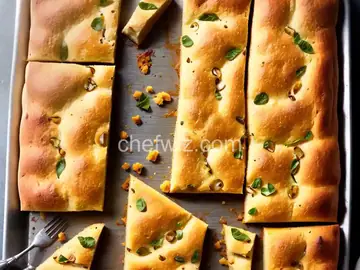
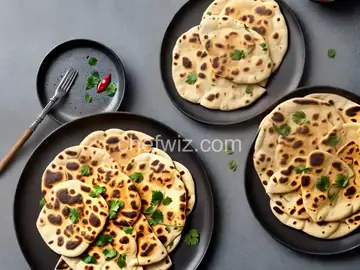
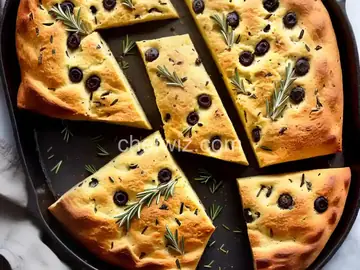
Pocket Bread
Rate this recipeBe the first to rate
 By AprilPublished
 Do you often find yourself on-the-go, craving a delicious and satisfying meal?
 By AprilPublished
 Do you often find yourself on-the-go, craving a delicious and satisfying meal?
In a small bowl, mix together yeast and warm water until it becomes creamy. Allow it to sit for about 10 minutes.
In a large bowl, combine the yeast mixture with 3 cups of flour and salt. Gradually add the remaining flour, 1/2 cup at a time, and mix well after each addition.
Once the dough comes together, transfer it onto a lightly floured surface and knead for approximately 10 minutes until it becomes smooth and flexible.
Lightly grease a large bowl, place the dough in it, and turn it around to coat it with oil. Cover the bowl with a damp cloth and let the dough rise in a warm area until it doubles in size, which should take around 2 hours.
Meanwhile, preheat the oven to 500 degrees F (260 degrees C).
Divide the dough into sixteen equal pieces and shape them into round balls.
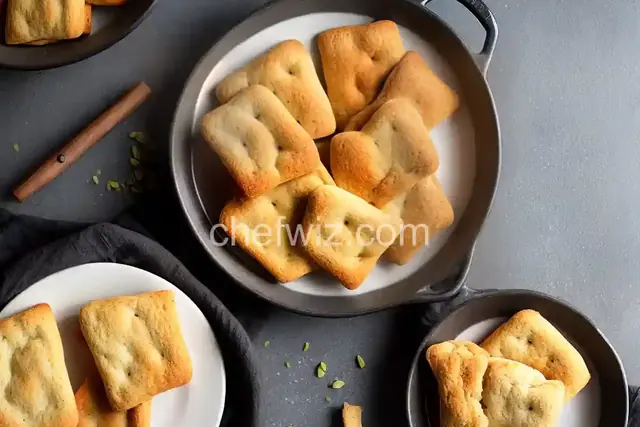
Roll each ball into a 1/4 inch thick square loaf shape.
Place the loaves onto ungreased baking sheets.
Bake the loaves in the preheated oven for about 4 to 5 minutes, or until they puff up in the middle.
Remove the loaves from the oven and let them cool on a wire rack before serving.
Do you often find yourself on-the-go, craving a delicious and satisfying meal? Look no further than pocket bread! This versatile and convenient creation is a game-changer for those who need a quick and delicious option that can be enjoyed anytime, anywhere. In this article, we will explore the wonders of pocket bread, its various uses, and why it has become a go-to choice for food enthusiasts all around the world.
Before we delve into the numerous ways pocket bread can be enjoyed, let's take a moment to appreciate its humble beginnings. Also known as pita bread, pocket bread has a rich history that dates back centuries. It originated in the Middle East and has since become a staple in many cultures across the globe.
One of the reasons pocket bread has gained immense popularity is its versatility. Just like a canvas awaiting an artist's touch, pocket bread provides the perfect base for a wide range of fillings. Whether you prefer savory or sweet, there is a pocket bread creation to satisfy every palate.
Imagine sinking your teeth into a mouthwatering pocket bread stuffed with tender grilled chicken, crisp lettuce, juicy tomatoes, and a dollop of tangy sauce. The combination of flavors and textures is enough to make anyone's taste buds dance with joy. Or perhaps you have a sweet tooth and yearn for a dessert-like treat. Picture this: warm pocket bread filled with a gooey mixture of melted chocolate and marshmallows, topped with a generous sprinkle of powdered sugar. It's a heavenly indulgence that will leave you wanting more.
One of the greatest advantages of pocket bread is its portability. Unlike traditional sandwiches that can become messy and fall apart, pocket bread keeps all the delicious fillings neatly contained within its soft and pliable shell. That means you can enjoy your favorite flavors without worrying about crumbs or drips, making it the ideal choice for those who are constantly on the move.
Whether you're rushing to catch a train, embarking on a road trip, or simply need a quick and satisfying meal during your lunch break, pocket bread has got you covered. It's like having a portable picnic in the palm of your hand.
Yes, pocket bread and pita bread are two terms used interchangeably to refer to the same type of bread. Both have the characteristic pocket that can be filled with various ingredients.
Absolutely! While store-bought pocket bread is readily available, you can also make it in the comfort of your own kitchen. There are numerous recipes online that guide you through the process, allowing you to customize the bread to your liking.
Yes, pocket bread can easily accommodate various dietary restrictions. It can be made with gluten-free flours for those with gluten sensitivities or allergies. Additionally, the fillings can be tailored to suit vegetarian, vegan, or other dietary preferences.
When stored in an airtight container or bag, pocket bread can stay fresh for up to a week. However, it is best enjoyed when consumed within a day or two to ensure maximum freshness.
Yes, pocket bread can be frozen to prolong its shelf life. Simply wrap the bread tightly in plastic wrap or place it in a freezer-safe bag before freezing. To thaw, leave it at room temperature or gently heat it in a toaster or oven.
Aside from pocket bread and pita bread, this delightful creation is also known as Arabic bread, Syrian bread, or Lebanese bread, depending on the region.
Absolutely! Pocket bread can be filled with scrambled eggs, cheese, bacon, or any other breakfast favorites to create a quick and satisfying morning meal on the go.
Pocket bread typically contains gluten. However, as mentioned earlier, there are gluten-free alternatives available that can be used to make a delicious and safe option for those with gluten sensitivities or allergies.
In conclusion, pocket bread is a versatile and portable delight that has captured the hearts and taste buds of food enthusiasts worldwide. Its ability to hold a wide variety of fillings, its convenience, and its rich history make it a beloved choice for those seeking a quick and satisfying meal. So next time you're in need of a flavorful adventure, grab some pocket bread and let your imagination run wild!
AprilCook, recipe developer and the heart of Chefwiz. More about April