Po Piah (Thai Spring Rolls)
Rate this recipeBe the first to rate
 By AprilPublished
 Are you a fan of Thai cuisine? Do you enjoy the burst of flavors and the unique combination of spices in Thai dishes?
 By AprilPublished
 Are you a fan of Thai cuisine? Do you enjoy the burst of flavors and the unique combination of spices in Thai dishes?
Soak mung bean noodles in warm water until soft, approximately 30 minutes. Cut into 1/2-inch pieces.
In a bowl, combine pork, bean sprouts, cabbage, mung bean noodles, egg, light soy sauce, sugar, and white pepper. Mix well.
Heat 1 tablespoon of oil in a skillet over medium-high heat. Cook garlic until fragrant, about 1 minute. Add the pork mixture and stir-fry until the pork is cooked through and appears somewhat dry, around 3 minutes. Adjust seasoning with more soy sauce, sugar, or pepper if desired. Set aside to cool.
Mix 1 tablespoon of flour with some water to create a sticky paste for sealing the spring rolls.
Place one spring roll wrapper on a flat surface, with one corner facing you. Put a small amount (about a scant teaspoon) of the cooled filling just below the middle of the wrapper. Fold the corner facing you over the filling. Roll the filling halfway up. Fold the left and right sides inward to create an envelope shape. Continue rolling tightly until the spring roll is sealed at the top corner with a small amount of the flour paste. Keep unused wrappers and finished spring rolls covered with a moistened kitchen towel to prevent drying out.
Heat oil in a deep pot over medium-low heat. Fry the spring rolls in batches until they are cooked through and golden brown, approximately 5 minutes. Drain on paper
Are you a fan of Thai cuisine? Do you enjoy the burst of flavors and the unique combination of spices in Thai dishes? If so, then you must try Po Piah, also known as Thai Spring Rolls. These delightful rolls are not only delicious but also a perfect appetizer or snack option. In this article, we will delve into the world of Po Piah, exploring its origins, ingredients, and the art of making these delectable treats. So, let's dive in and discover the wonders of Po Piah!
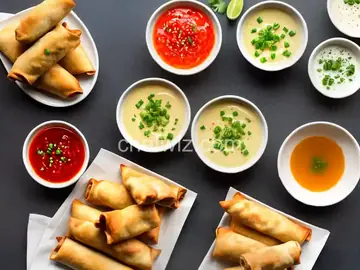
Like many other popular dishes, the exact origins of Po Piah are somewhat debatable. However, it is widely believed that these delectable spring rolls have their roots in Chinese cuisine. In Thailand, Po Piah has become a staple street food, loved by locals and tourists alike. These rolls are not only delicious but also a visual treat, with their vibrant colors and enticing fillings.
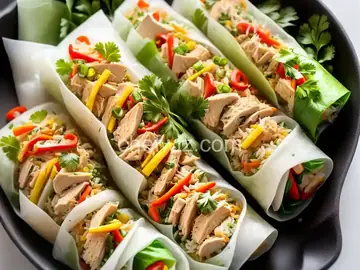
What makes Po Piah truly special is the combination of fresh and flavorful ingredients. The filling typically includes a variety of vegetables, such as cabbage, carrots, bean sprouts, and mushrooms. These are complemented by the addition of tofu or shrimp, adding a protein-rich element to the rolls. The flavors are enhanced with the use of soy sauce, garlic, and other aromatic spices. The result is a perfect harmony of textures and flavors that will leave your taste buds craving for more.
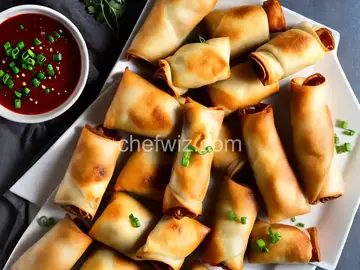
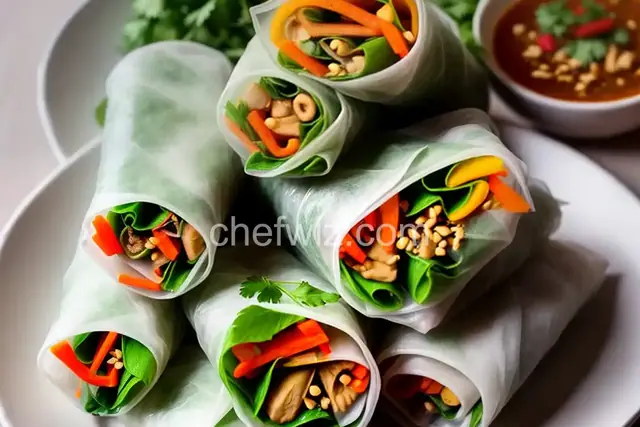
Making Po Piah is an art in itself. It requires patience, precision, and a keen eye for detail. The first step involves preparing the filling by sautéing the vegetables and protein of your choice with the desired seasonings. Once the filling is ready, it is time to assemble the rolls. This is where the delicate balance between the ingredients and the technique comes into play. The rice paper wrappers are soaked in water to make them pliable, and then the filling is neatly wrapped inside, creating a tight roll. The rolls are then fried or steamed until they turn golden brown, ensuring a crispy exterior and a flavorful interior.
Once your Po Piah rolls are ready, it's time to savor the flavors. These rolls are often served with a dipping sauce, such as sweet chili sauce or peanut sauce, to further enhance the taste. With each bite, you'll experience a burst of flavors, from the crunchiness of the vegetables to the savory notes of the filling. The combination of textures and the delightful blend of spices make Po Piah a truly satisfying culinary experience.
Yes, you can easily make vegetarian or vegan-friendly Po Piah by omitting the meat and using tofu or other plant-based protein alternatives.
Yes, Po Piah rolls can be made gluten-free by using gluten-free soy sauce and ensuring that the rice paper wrappers are free from any gluten-containing ingredients.
Po Piah rolls are best enjoyed immediately after frying or steaming while they are still crispy. However, you can store any leftovers in an airtight container in the refrigerator and reheat them in the oven to restore their crispiness.
Yes, you can freeze uncooked Po Piah rolls for later use. Simply assemble the rolls, place them on a tray lined with parchment paper, and freeze until firm. Once frozen, transfer them to a freezer-safe bag or container. When ready to cook, thaw them in the refrigerator before frying or steaming.
Absolutely! One of the beauties of Po Piah is its versatility. Feel free to experiment with different vegetables, proteins, and spices to create your own unique filling. You can even add herbs like basil or mint to add an extra layer of freshness.
While making Po Piah requires some practice, it is not overly difficult. With a little patience and attention to detail, you can master the art of rolling these delectable treats in no time.
Yes, you can prepare the filling and assemble the rolls in advance. Keep the assembled rolls covered with a damp cloth or plastic wrap to prevent them from drying out. Fry or steam them just before serving to ensure they are fresh and crispy.
While traditionally served as an appetizer or snack, you can certainly enjoy Po Piah as a main dish by serving it alongside a salad or rice. The versatility of this dish allows you to incorporate it into your meal in a variety of ways.
In conclusion, Po Piah is a delightful Thai delicacy that offers a burst of flavors and textures. Whether you are a fan of Thai cuisine or simply looking to explore new flavors, these spring rolls are a must-try. With their colorful appearance and mouthwatering taste, Po Piah is sure to impress your taste buds. So, why wait? Get your ingredients ready, roll up your sleeves, and embark on a culinary adventure with Po Piah!
AprilCook, recipe developer and the heart of Chefwiz. More about April