Plum Dumplings
Rate this recipeBe the first to rate
 By AprilPublished
 Have you ever craved a sweet treat that is both comforting and delicious?
 By AprilPublished
 Have you ever craved a sweet treat that is both comforting and delicious?
Cut the prunes almost in half, open them, and remove the pits. Place about 1/3 teaspoon of sugar in the hollow of each plum, then close the plum and put it in a bowl. Set aside.
In a large pot, boil the potatoes until tender (about 20 minutes). Drain and mash the potatoes with a fork or potato masher. Set aside 1 cup of mashed potatoes and keep it warm.
To make the dough, sift flour, sugar, baking powder, and salt onto a breadboard. Create a well in the center and add the reserved 1 cup of mashed potatoes, egg yolks, and shortening. Mix until the dough is pliable and smooth.
Roll the dough out onto a floured board until it is about 1/4 inch thick. Cut it into approximately 4-inch rounds with a biscuit cutter. Take one piece of dough, place a pitted plum in the center, and cover it with another piece of dough. Press the edges together to seal the dough, ensuring there are no leaks.
Bring a pot of salted water to a boil. Add the dumplings and boil gently for about 10 minutes.
Meanwhile, melt butter in a large frying pan over medium heat. Stir in brown sugar and, if desired, some of the juice from the bowl of pitted plums. Add a small amount of bread crumbs
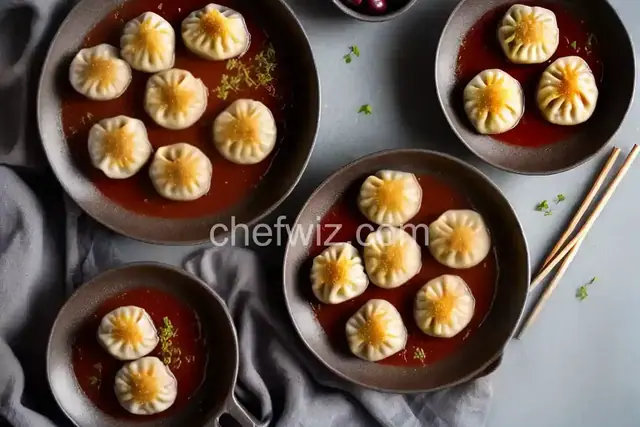
Have you ever craved a sweet treat that is both comforting and delicious? Look no further than plum dumplings! These delightful morsels are a combination of juicy plums wrapped in a soft dough, creating a mouthwatering dessert that will leave you wanting more. In this article, we will explore the origins of plum dumplings, discuss the different variations, and provide step-by-step instructions on how to make them at home.
Plum dumplings have a rich history that dates back centuries. They originated in Eastern Europe and have since become a popular dessert in many countries, including Hungary, Austria, and Slovenia. These countries have their own unique variations of plum dumplings, each with its own special twist.
While the basic concept of plum dumplings remains the same, there are various ways to prepare them. In Hungary, for example, the dough is typically made with potatoes, creating a dense and hearty dumpling. In Austria, on the other hand, the dough is made with breadcrumbs, resulting in a lighter and fluffier texture.
Other variations include adding cinnamon or vanilla to the dough to enhance the flavor, or dusting the dumplings with powdered sugar for an extra touch of sweetness. Some even choose to serve plum dumplings with a dollop of whipped cream or a sprinkle of cocoa powder for added indulgence.
Now that you know a little bit about the history and variations of plum dumplings, let's dive into how you can make them in the comfort of your own kitchen. The process may seem intimidating at first, but with a little practice, you'll be able to whip up these delectable treats with ease.
First, gather the necessary ingredients. You will need plums, flour, sugar, butter, and a pinch of salt. Begin by washing and pitting the plums, then set them aside. In a mixing bowl, combine the flour, sugar, butter, and salt. Mix until the ingredients form a dough-like consistency.
Next, take a small portion of the dough and flatten it in your hand. Place a plum in the center of the dough and gently wrap it, ensuring that the plum is completely covered. Repeat this process until all the plums are wrapped in dough.
Once your plum dumplings are assembled, bring a pot of water to a boil. Carefully drop the dumplings into the boiling water and cook for about 10 minutes, or until they float to the surface. Remove the dumplings from the water using a slotted spoon and allow them to cool slightly before serving.
Plum dumplings are a delightful dessert that offers a unique combination of flavors and textures. Whether you prefer the traditional version or want to experiment with different variations, these sweet treats are sure to satisfy your cravings. So why not give them a try? Gather your ingredients and get ready to indulge in the deliciousness of plum dumplings!
Yes! While traditional plum dumplings are made with European plums, you can experiment with different varieties. Just make sure to choose plums that are ripe but firm to ensure they hold their shape during cooking.
Absolutely! You can prepare the dough in advance and refrigerate it until you're ready to assemble the dumplings. This can save you time when you're ready to cook.
Yes, you can freeze plum dumplings for later enjoyment. Simply place the cooked dumplings in an airtight container and store them in the freezer. When you're ready to eat, thaw them in the refrigerator overnight and reheat in a steamer or microwave.
Plum dumplings are typically enjoyed as a dessert, but they can also be served as a main course. In some cultures, they are eaten as a savory dish, with the addition of herbs and spices to complement the plums.
Certainly! While plums are the traditional fruit used in plum dumplings, you can get creative and experiment with other fruits. Apples, cherries, or even strawberries can be delicious alternatives.
Yes, you can make gluten-free plum dumplings by using a gluten-free flour substitute. There are many options available, such as almond flour or rice flour, that can be used as a replacement for wheat flour.
Absolutely! While plum dumplings are traditionally served with melted butter and a sprinkling of breadcrumbs, you can experiment with different sauces. For example, a warm chocolate sauce or a fruity berry compote can be a delicious pairing.
Yes, plum dumplings can be made vegan-friendly by substituting ingredients. Instead of butter, use a plant-based margarine, and replace eggs with a flaxseed or chia seed mixture. The result will be equally delicious!
AprilCook, recipe developer and the heart of Chefwiz. More about April