Plantain Cups (Tostone Cups)
Rate this recipeBe the first to rate
 By AprilPublished
 Are you looking for a delicious and versatile dish that can be served as an appetizer or a main course?
 By AprilPublished
 Are you looking for a delicious and versatile dish that can be served as an appetizer or a main course?
Prepare a large bowl of warm salted water and add enough water to cover the plantains.
Peel the green plantain and cut it into 2-inch pieces.
Place the cut plantains into the water and allow them to soak.
Heat the oil until it reaches a temperature of 375 degrees F.
Remove the plantains from the water and shake off any excess water.
Fry the plantain pieces in the hot oil for approximately 5 to 6 minutes.
Take out the fried plantains and let them cool for a couple of minutes.
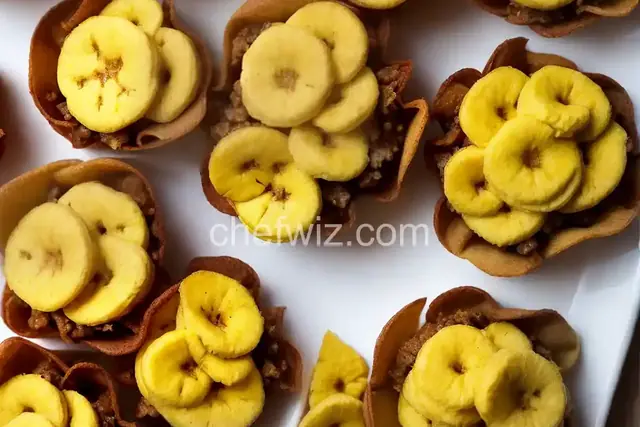
Use a Rivera Tostonera (a tool designed to make cups) to shape the fried plantains into cups. If you do not have a Tostonera, use 2 mini muffin pans. Place the fried plantains in the mold of one pan lengthwise, and press down firmly with the other muffin pan to form a cup.
Carefully remove the plantain cup from the mold and fry it again in the hot oil until it turns golden brown.
Take out the fried plantain cup and place it on paper towels to drain. Sprinkle with salt.
Serve the plantain cups warm.
Are you looking for a delicious and versatile dish that can be served as an appetizer or a main course? Look no further than plantain cups, also known as tostone cups. These delectable cups are made from ripe plantains that are fried and pressed to create a crispy exterior with a soft and tender interior. They can be filled with a variety of savory ingredients, making them a crowd-pleasing treat for any occasion.
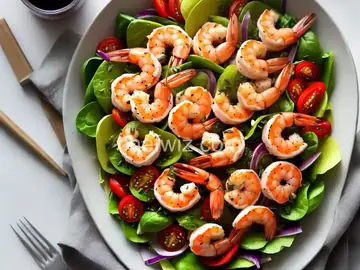
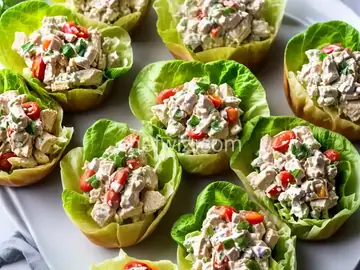
One of the best things about plantain cups is their versatility. Just like a blank canvas, they can be filled with an array of delicious ingredients to suit your taste. From shrimp and avocado to pulled pork and black beans, the possibilities are endless. The plantain cups act as a vessel that holds all the flavors together, creating a harmonious and satisfying bite. Whether you prefer a light and refreshing filling or something more hearty and indulgent, plantain cups can cater to all preferences.
The process of making plantain cups starts with selecting ripe plantains. Look for plantains that are yellow with some black spots, as this indicates that they are fully ripe and sweet. Once you have your plantains, peel and slice them into thick rounds. Fry the plantain slices until they are golden brown, then remove them from the oil and press them flat. The second fry will give them their characteristic crispiness. Finally, shape the flattened plantains into cups using a muffin tin or a tostonera, and they're ready to be filled with your desired ingredients.
Here are some filling ideas to inspire your plantain cup creations:
Plantain cups are a delightful and versatile dish that can be enjoyed by everyone. Their crispy exterior and soft interior create a perfect balance of textures, while the fillings add a burst of flavors. Whether you're hosting a party or simply craving a tasty snack, plantain cups will surely impress your guests or satisfy your cravings. So why not give them a try and let your imagination run wild with the endless filling possibilities?
Yes, plantain cups are gluten-free as they are made from plantains, which are naturally gluten-free.
Yes, you can fry the plantain cups in advance and store them in an airtight container. When ready to serve, reheat them in the oven to regain their crispiness.
Green plantains are typically used to make tostones, which have a different texture and flavor compared to plantain cups. Ripe plantains are recommended for the best results.
If you have leftover plantain cups, store them in an airtight container in the refrigerator. Reheat them in the oven or toaster oven to enjoy them again.
Yes, you can freeze plantain cups after frying them. Place them in a freezer-safe container or bag with parchment paper between each cup to prevent them from sticking together. Thaw and reheat them in the oven when ready to eat.
Plantain cups can be made vegan-friendly by choosing fillings that are plant-based, such as avocado, salsa, or vegan cheese alternatives.
Unripe bananas have a different taste and texture compared to plantains, so they are not recommended for making plantain cups. Stick to using ripe plantains for the best results.
Plantain cups have roots in Latin American and Caribbean cuisines. They are a popular dish in countries like Puerto Rico, the Dominican Republic, and Colombia.
To make plantain cups healthier, you can opt for baking instead of frying them. Brush the plantain slices with a small amount of oil and bake them until they are crispy.
AprilCook, recipe developer and the heart of Chefwiz. More about April