Plant-Based Diet 101: Roasted Vegetables
Rate this recipeBe the first to rate
 By AprilPublished
 Are you looking to incorporate more plant-based meals into your diet?
 By AprilPublished
 Are you looking to incorporate more plant-based meals into your diet?
Preheat the oven to 425°F.
Line 2 large baking sheets with parchment paper.
Choose any vegetables from the list provided.
Place the vegetables on the baking sheets in separate rows, grouping vegetables with similar cooking times together.
Drizzle olive oil over the vegetables.
Sprinkle salt and pepper over the vegetables.
Roast the vegetables in the preheated oven until tender and golden brown around the edges.
Toss the vegetables halfway through the roasting process.
If using two baking sheets, switch racks halfway through to ensure even browning.
Remove the vegetables from the baking sheets as they are done.
Season the roasted vegetables with more salt, pepper, and squeezes of lemon to taste.
Are you looking to incorporate more plant-based meals into your diet? One delicious and nutritious option is roasted vegetables. Not only are they easy to prepare, but they also offer a wide range of health benefits. Let's dive into the world of plant-based eating and explore the wonders of roasted vegetables!
Before we delve into the specifics of roasted vegetables, let's first understand why a plant-based diet is gaining popularity. A plant-based diet focuses on consuming whole foods derived from plants, such as fruits, vegetables, whole grains, legumes, nuts, and seeds. By adopting this diet, you can enjoy numerous benefits:
Now that we know why a plant-based diet is beneficial, let's explore one of its delicious components: roasted vegetables!
Roasting vegetables involves cooking them in the oven at high heat until they become tender and caramelized. This cooking method intensifies their natural flavors and adds a delightful crispiness. The best part? You can roast virtually any vegetable you desire, from hearty root vegetables to delicate greens.
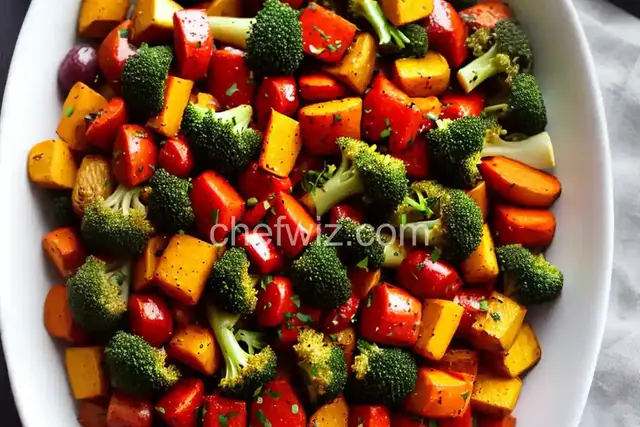
Picture this: a medley of colorful bell peppers, sweet potatoes, zucchini, and Brussels sprouts, all roasted to perfection. The tantalizing aroma fills your kitchen, and your taste buds eagerly anticipate the explosion of flavors. With each bite, you savor the unique textures and tastes that only roasted vegetables can offer.
What makes roasted vegetables so magical? The high heat of the oven causes a process called the Maillard reaction to occur. This reaction caramelizes the sugars in the vegetables, resulting in an irresistible sweetness and depth of flavor. The vegetables also develop a pleasing crispness on the outside while retaining their tender interior.
Moreover, roasting vegetables enhances their nutritional value. The heat breaks down the cell walls, making it easier for your body to absorb the vitamins, minerals, and antioxidants they contain. It's a win-win situation for your taste buds and your health!
Ready to embark on your roasted vegetable adventure? Here are some tips and tricks to ensure success:
Remember, experimentation is key! Feel free to mix and match different vegetables and seasonings to create your own flavor combinations.
Roasted vegetables are a versatile and delicious addition to any plant-based diet. Their flavorsome and nutritious qualities make them a perfect choice for both vegans and non-vegans alike. So, why not embark on your own roasted vegetable adventure? Explore different combinations, savor the unique tastes, and reap the benefits of a plant-based lifestyle!
While fresh vegetables are ideal for roasting, you can use frozen vegetables if that's what you have on hand. Just make sure to thaw and pat them dry before roasting to prevent excess moisture.
The roasting time varies depending on the vegetable. Root vegetables like potatoes and carrots take longer, around 30-45 minutes, while softer vegetables like zucchini and bell peppers may only need 15-20 minutes.
Absolutely! Roasted vegetables can be made ahead of time and stored in the refrigerator for up to 5 days. Simply reheat them in the oven or enjoy them cold in salads, sandwiches, or wraps.
Yes, roasted vegetables are naturally gluten-free. Just make sure to use gluten-free seasonings and check the labels of any pre-packaged seasonings or sauces.
Yes, you can freeze roasted vegetables. Allow them to cool completely, then transfer them to airtight containers or freezer bags. They can be stored in the freezer for up to 3 months.
Absolutely! Roasted vegetables add a burst of flavor and texture to pasta dishes, stir-fries, grain bowls, and even omelets. Get creative and experiment with different combinations!
Yes, roasted vegetables are a perfect addition to a vegan or vegetarian diet. They provide a variety of nutrients and can be enjoyed as a main course or a side dish.
Absolutely! While roasted vegetables are the star of the show, you can also roast fruits like apples, pears, and peaches. The heat caramelizes their natural sugars, creating a delightful dessert or topping for yogurt and oatmeal.
Yes, you can experiment with different oils. Olive oil is a popular choice for its rich flavor, but you can also try avocado oil, coconut oil, or even sesame oil for a unique twist.
AprilCook, recipe developer and the heart of Chefwiz. More about April