Pineapple Upside-Down Cake (Gluten Free)
Rate this recipeBe the first to rate
 By AprilPublished
 Are you a fan of sweet desserts that are both delicious and gluten-free?
 By AprilPublished
 Are you a fan of sweet desserts that are both delicious and gluten-free?
Preheat the oven to 400 degrees F (200 degrees C).
In a 12-inch cast iron skillet over medium-low heat, melt 1/4 cup butter. Stir in brown sugar, pineapple juice, and rum. Cook until sugar is dissolved and mixture is bubbling, approximately 5 minutes. Remove from heat and place pineapple slices in the skillet in a single layer, completely covering the sugar mixture. Set aside.
In a small skillet over low heat, melt 1/2 cup butter until it starts to brown and releases a nutty fragrance, approximately 5 minutes. Be careful not to burn the butter. Remove from heat and let cool for 10 minutes.
In a bowl, combine gluten-free flour and almond flour. Mix in white sugar, baking powder, salt, and cardamom until well combined. Whisk in eggs and cold milk, and mix until just combined. Pour in the melted butter from the small skillet and stir until the batter is thoroughly mixed. Pour the batter over the pineapple slices in the 12-inch skillet. Use a spatula to smooth out the surface and spread it evenly.
Bake in the preheated oven for 30 to 35 minutes, or until the cake starts to bubble around the edges, the top is browned, and a toothpick inserted into the center comes out clean. Let the cake cool in the skillet for 10 minutes.
Run a knife around the
Are you a fan of sweet desserts that are both delicious and gluten-free? If so, then you're in for a treat with this Pineapple Upside-Down Cake! In this article, we'll explore the wonderful world of gluten-free baking and show you how to make this classic cake with a tropical twist. So, let's dive in and discover the secrets behind this mouthwatering dessert!
Gluten-free baking has become increasingly popular in recent years, and for good reason. People with gluten sensitivities or those following a gluten-free diet can still enjoy their favorite treats without compromising on taste. It's like having your cake and eating it too!
Imagine a world where you can indulge in a slice of cake without worrying about any unpleasant side effects. Gluten-free baking opens up a whole new realm of possibilities, allowing you to explore different flavors and textures while ensuring that your creations are safe for everyone to enjoy.
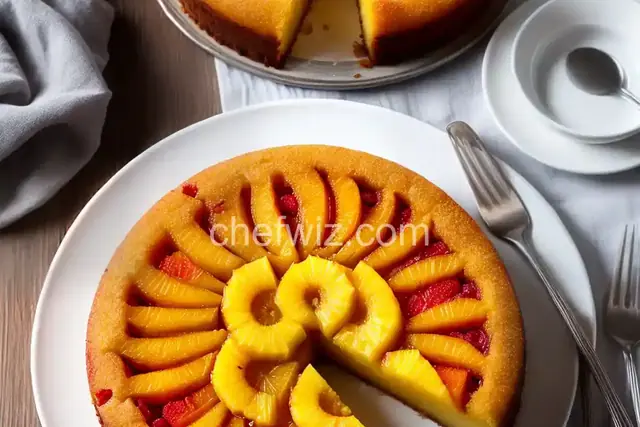
Now, let's talk about the star of the show - the Pineapple Upside-Down Cake. This dessert is a delightful combination of sweet, tangy pineapple and moist, fluffy cake, all topped off with a caramelized glaze. It's like taking a tropical vacation with every bite!
The beauty of this recipe is that it can easily be adapted to be gluten-free. By substituting traditional flour with gluten-free alternatives, such as almond flour or a gluten-free all-purpose flour blend, you can create a cake that is just as delicious and satisfying as the original.
Creating a Pineapple Upside-Down Cake is easier than you might think. Once you have your gluten-free flour of choice, you can follow the same basic steps as you would with a traditional recipe. The key is in the preparation and assembly.
Start by melting butter and brown sugar together in a skillet, creating a rich and gooey caramel sauce. Arrange pineapple slices and cherries on top of the sauce, creating a beautiful pattern. Then, pour the cake batter over the fruit and bake until golden and fragrant.
Here are a few tips to ensure your Pineapple Upside-Down Cake turns out perfectly:
Pineapple Upside-Down Cake is a beloved classic that can be enjoyed by everyone, regardless of dietary restrictions. By using gluten-free flour and a few simple substitutions, you can create a cake that is just as delicious as the original. So, why not treat yourself to a slice of tropical paradise? Go ahead and give this recipe a try - your taste buds will thank you!
Absolutely! While pineapple is the traditional choice for Pineapple Upside-Down Cake, you can experiment with other fruits such as peaches, apples, or even strawberries.
Yes, you can certainly use regular flour if you don't have any gluten sensitivities or dietary restrictions.
It's best to let the cake cool for about 10-15 minutes before flipping it onto a serving plate. This allows the caramel sauce to thicken slightly and prevents the cake from falling apart.
Absolutely! This cake can be made a day in advance and stored in an airtight container at room temperature. In fact, some people argue that the flavors actually improve after a day or two.
Yes, you can freeze the cake for up to 3 months. Just make sure to wrap it tightly in plastic wrap and place it in a freezer-safe container.
Yes, canned pineapple works perfectly fine for this recipe. Just make sure to drain it well before using.
Absolutely! You can substitute the butter with a dairy-free alternative, such as coconut oil or margarine, and use a non-dairy milk in the cake batter.
Yes, if you enjoy the added crunch and flavor, you can sprinkle some chopped nuts, such as pecans or walnuts, on top of the caramel sauce before adding the fruit.
Yes, you can try using alternatives like coconut sugar or maple syrup for a slightly different flavor profile.
AprilCook, recipe developer and the heart of Chefwiz. More about April