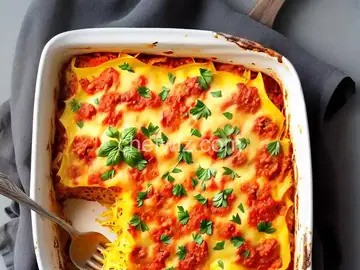
Pierogies
Rate this recipeBe the first to rate
 By AprilPublished
 Have you ever tried a pierogi? These little pockets of goodness are a beloved staple in many Eastern European cuisines.
 By AprilPublished
 Have you ever tried a pierogi? These little pockets of goodness are a beloved staple in many Eastern European cuisines.
In a large bowl, combine the sour cream and flour to create a dough.
On a floured surface, roll out the dough to a thickness of about 1/16 inch.
Use a cookie cutter or a glass to cut rounds that are approximately 3 1/2 inches in diameter. Re-roll any unused dough to make additional rounds, up to 4 times.
Place about 1 teaspoon of mashed potatoes in the center of each dough round.
Fold the dough over to form a half-moon shape and use a fork to press and seal the edges.
Set the filled pierogies aside under a towel to prevent them from drying out.
In a large skillet, melt the butter over medium-low heat.
Add the onions to the skillet and cook and stir until they become translucent, which should take about 4 to 5 minutes. Remove the cooked onions and set them aside, leaving the butter in the skillet.
In a large saucepan, bring water to a boil.
Carefully drop a few filled pierogies at a time into the boiling water.
Allow the pierogies to float to the surface and then gently boil them for approximately 4 minutes.
Reheat the butter in the skillet over medium heat.
Carefully remove the pierogies from the water and place them in the skillet to brown on the bottom, which should take about
Have you ever tried a pierogi? These little pockets of goodness are a beloved staple in many Eastern European cuisines. Whether you've had them before or not, get ready to embark on a flavorful journey as we dive into the delightful world of pierogies. From their humble origins to the endless variety of fillings and cooking methods, there's something for everyone to savor.
Like many culinary delights, the exact origins of pierogies are shrouded in mystery. Some believe they were first created in Poland, while others point to their Ukrainian roots. Regardless of their origin story, one thing is for certain – pierogies have been a beloved dish for centuries.
Imagine biting into a tender dumpling, filled with a delectable mixture of ingredients. It's like unwrapping a present, revealing delicious surprises inside. That's the magic of pierogies – they bring joy to every bite.
One of the most exciting aspects of pierogies is the incredible variety of fillings available. From classic favorites like potato and cheese to more adventurous options like sauerkraut and mushroom, there's no shortage of flavor combinations to tantalize your taste buds. You can even find sweet pierogies filled with fruits or a creamy chocolate filling for a delightful dessert.
Picture a symphony of flavors wrapped in a soft, pillowy dough. Each bite is a harmonious blend of textures and tastes, creating a truly memorable dining experience. It's no wonder pierogies have become a beloved comfort food around the world.
When it comes to cooking pierogies, there are several methods to choose from. Boiling is the most common and traditional way to cook them, resulting in tender dumplings that are perfect for pairing with a savory sauce or topping. But why stop there?
For a crispy twist, try pan-frying your pierogies in a little butter or oil. The outer shell becomes golden and crispy, adding a delightful crunch to each bite. It's like biting into a flavor-packed treasure chest.
While pierogies are deeply rooted in Eastern European cuisines, their popularity has spread across the globe. In the United States, they are a beloved dish in Polish-American communities, often served at family gatherings and festivals. In Canada, they are a staple in Ukrainian households, enjoyed with friends and loved ones.
Imagine sitting around a table, surrounded by laughter and warmth, as you pass around a plate of pierogies. It's a moment of connection, a celebration of culture and tradition that transcends borders.
Pierogies are more than just a delicious dish – they are a symbol of heritage, love, and togetherness. Whether you're trying them for the first time or rediscovering an old favorite, each bite is a reminder of the rich history and culinary traditions they represent. So next time you're craving something bursting with flavor, why not indulge in the delightful world of pierogies?
Traditional pierogies are made with wheat flour, so they are not gluten-free. However, there are gluten-free alternatives available for those with dietary restrictions.
Yes, you can freeze pierogies for later consumption. Just make sure to lay them flat on a baking sheet before transferring them to a freezer-safe bag or container.
To reheat pierogies, you can either boil them for a few minutes or pan-fry them until they are heated through and crispy on the outside.
Absolutely! You can make pierogies ahead of time and store them in the refrigerator for a day or two before cooking them.
Pierogies can be enjoyed as both a main dish or a side dish. They are versatile and can be paired with a variety of accompaniments, from sour cream and bacon to sautéed onions and mushrooms.
Yes, pierogies are similar to dumplings in that they are pockets of dough filled with a savory or sweet filling. However, they have a distinct shape and texture that sets them apart.
Absolutely! One of the joys of making pierogies is experimenting with different fillings. Get creative and try out new flavor combinations to find your favorite.
While pierogies are not specifically tied to any particular holiday, they are often enjoyed during festive occasions and family gatherings.
AprilCook, recipe developer and the heart of Chefwiz. More about April