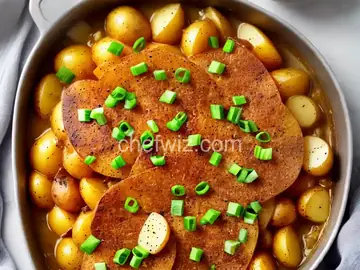
Pierogi (Traditional Polish Dumplings)
Rate this recipeBe the first to rate
 By AprilPublished
Have you ever tasted a little pocket of heaven? Well, that's what pierogi are!
 By AprilPublished
Have you ever tasted a little pocket of heaven? Well, that's what pierogi are!
Heat oil in a large skillet over medium heat.
Cook and stir onions and mushrooms in the hot oil until they become soft, which should take around 15 minutes.
Remove the skillet from heat and set aside.
Make the dough:
Place flour on a clean work surface and create a well in the center.
Crack the eggs into the well and add butter and a few tablespoons of warm water.
Mix the ingredients with your hands, gradually adding more warm water, one tablespoon at a time, until the dough becomes soft and smooth.
Knead the dough, adding more flour to the work surface if necessary.
Prepare the pierogi:
Roll out 1/4 of the dough to an 1/8-inch thickness.
Use a glass or round cookie cutter to cut out circles from the dough, saving any excess for future batches.
Place approximately 1 teaspoon of the filling in the center of each dough circle.
Fold the dough over to form a half-moon shape and pinch the edges together to seal.
Cover the pierogi with a clean dish towel and repeat the process with the remaining dough and filling.
Cook the pierogi:
Bring a large pot of salted water to a gentle boil.
Cook the pierogi in batches, approximately 20 at a time, in the boiling water until they float to the surface, which should take around
Have you ever tasted a little pocket of heaven? Well, that's what pierogi are! These traditional Polish dumplings are a delicious and comforting treat that will transport your taste buds to Eastern Europe. Whether you're a fan of savory or sweet flavors, there's a pierogi for everyone. So, let's dive into the world of pierogi and discover why they're a beloved dish around the globe.
Pierogi have a rich history that dates back centuries. Originating in Poland, these dumplings were initially made as a way to stretch ingredients during times of scarcity. They were a humble dish, filled with simple ingredients like potatoes, cheese, and cabbage. However, as time passed, pierogi evolved and became a staple in Polish cuisine.
Making pierogi is a labor of love. The dough is made by combining flour, eggs, water, and a pinch of salt. It's then rolled out and cut into circles. The filling, which can vary from savory to sweet, is carefully placed in the center of each dough circle. The edges are then sealed, creating a little pocket of goodness. Finally, the pierogi are boiled until they float to the surface, indicating that they're cooked and ready to be enjoyed.
When it comes to pierogi, you have two main categories: savory and sweet. Savory pierogi are filled with ingredients like potatoes, cheese, meat, mushrooms, or sauerkraut. They're often served with melted butter, sour cream, or fried onions. On the other hand, sweet pierogi are filled with fruits like blueberries, strawberries, or cherries. They're typically served with a dusting of powdered sugar or a dollop of whipped cream.
Pierogi have gained popularity worldwide, and for good reason. These little dumplings are incredibly versatile, allowing you to get creative with the fillings and flavors. They can be served as an appetizer, a main course, or even as a dessert. Plus, they're comforting and nostalgic, reminding many people of home-cooked meals and family gatherings.
Imagine biting into a warm, pillowy dumpling, only to discover a burst of savory or sweet flavors. It's like a surprise party in your mouth! The combination of soft dough and flavorful fillings is truly irresistible. Whether you're enjoying pierogi at a Polish restaurant or making them from scratch in your own kitchen, they're guaranteed to satisfy your cravings.
The most popular pierogi fillings include potato and cheese, sauerkraut and mushroom, and meat.
Absolutely! Pierogi freeze well, making them a convenient option for busy days. Just boil them, let them cool, and then freeze them in a single layer. Once frozen, you can store them in a freezer bag for up to three months.
Pierogi can be served in various ways. You can boil them and serve them with melted butter, sour cream, or fried onions. Alternatively, you can pan-fry them for a crispy texture. Sweet pierogi are often served with powdered sugar or whipped cream.
Traditional pierogi dough is made with wheat flour, so it's not gluten-free. However, you can find gluten-free pierogi options made with alternative flours.
Yes, you can make pierogi ahead of time. After boiling them, you can refrigerate them for up to three days before serving. Just make sure to reheat them before enjoying.
Pierogi are similar to dumplings found in other cuisines, such as Chinese jiaozi or Italian ravioli. However, each type of dumpling has its own unique flavors and fillings.
Absolutely! Feel free to experiment with different fillings to suit your taste. You can try combinations like spinach and feta, apple and cinnamon, or even Nutella-filled pierogi for a sweet treat.
While pierogi have their roots in Poland, they have gained popularity worldwide. Many countries have their own version of dumplings, but pierogi remain a favorite among food enthusiasts everywhere.
In conclusion, pierogi are more than just dumplings. They're a taste of tradition, a burst of flavor, and a reminder of the simple pleasures in life. Whether you're craving something savory or sweet, pierogi are sure to satisfy. So, why not give these little pockets of heaven a try? Your taste buds will thank you!
AprilCook, recipe developer and the heart of Chefwiz. More about April