Pie Crust
Rate this recipeBe the first to rate
 By AprilPublished
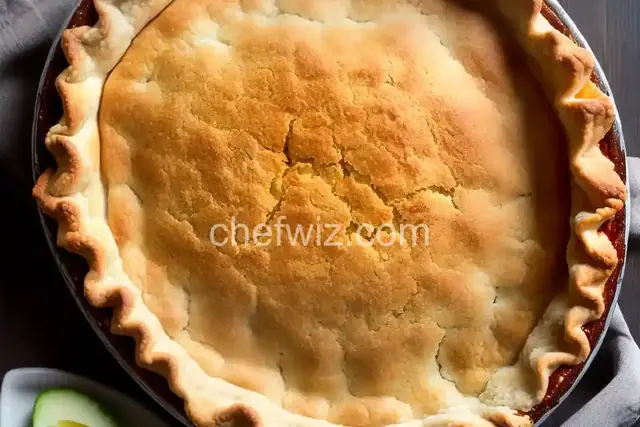
When it comes to pies, the crust is like the sturdy foundation of a beautiful building.
 By AprilPublished
When it comes to pies, the crust is like the sturdy foundation of a beautiful building.
Place butter and lard in the freezer for 15 minutes. Once chilled, remove and cut them into small pieces.
In a food processor, combine flour and salt by pulsing 3 to 4 times.
Add the chilled butter to the food processor and pulse 5 to 6 times until the texture becomes mealy.
Add the chilled lard to the food processor and pulse another 3 to 4 times.
Remove the lid of the food processor and spritz the surface of the mixture thoroughly with water.
Replace the lid and pulse 5 times. Add more water if needed and pulse again until the mixture holds together when squeezed.
Transfer the mixture to a large zip-top bag, squeeze it together until it forms a ball, then press it into a rounded disk.
Refrigerate the dough for 30 minutes.
Preheat the oven to 425 degrees F.
Place two metal pie pans in the refrigerator to chill.
Remove the dough from the refrigerator. Cut along two sides of the plastic bag and open it to expose the dough. Sprinkle both sides of the dough with flour.
Cover the dough again with the plastic and roll it out with a rolling pin to a 10 to 11-inch circle.
Open the plastic again and sprinkle the top of the dough with flour.
Remove the pie pans from the refrigerator and place the first pan on top
When it comes to pies, the crust is like the sturdy foundation of a beautiful building. It sets the stage for the delicious filling that lies within. But what makes a pie crust so essential? And how can you achieve that perfect flakiness and buttery goodness? In this article, we'll explore the art of making a pie crust and share some tips and tricks for mastering this fundamental pastry.
Just like a house needs a solid foundation, a pie needs a well-crafted crust. The crust not only holds the pie together but also provides a textural contrast to the filling. It should be tender, flaky, and flavorful, enhancing the overall taste experience. A poorly made crust can ruin an otherwise perfect pie.
A pie crust typically consists of a few basic ingredients: flour, fat, liquid, and salt. The ratio of these ingredients and the technique used to combine them can greatly influence the final result. The flour provides structure, while the fat (usually butter or shortening) adds flavor and creates the flaky layers. The liquid binds the ingredients together, and a pinch of salt enhances the taste.
Creating a perfect pie crust requires attention to detail and a few clever techniques. Here are some tips to help you achieve crust perfection:
Even experienced bakers sometimes encounter issues when making pie crusts. Here are some common problems and their solutions:
There's nothing worse than biting into a pie with a soggy bottom crust. To prevent this, blind-bake your crust before adding the filling. Cover the crust with parchment paper or aluminum foil, and fill it with pie weights or dry beans. This will help the crust retain its shape and crispness.
If your pie crust turns out crumbly or dry, it may be due to insufficient moisture. Make sure you're using enough liquid to bind the dough together. You can also try adding a little more fat to the recipe, which will help create a tender and moist crust.
A pie crust is more than just a vessel for the filling; it plays a crucial role in the overall taste and texture of a pie. By understanding the key elements and following a few tips and tricks, you can create a pie crust that is both flaky and flavorful. So, roll up your sleeves, gather your ingredients, and embark on a delicious pie-making adventure!
While margarine can be used as a substitute for butter, it may affect the flavor and texture of the crust. Butter is preferred for its rich taste and ability to create flakiness.
Yes, there are many gluten-free flours available that can be used to make a delicious gluten-free pie crust. Experiment with different combinations to find the one that suits your taste.
To achieve a golden brown crust, brush the surface of the crust with an egg wash before baking. The proteins in the egg will give the crust a beautiful color and shine.
Yes, you can freeze pie crust dough for later use. Wrap it tightly in plastic wrap or place it in an airtight container before freezing. Thaw it in the refrigerator before rolling it out.
Blind-baking is recommended for pies with a wet filling, like custard or fruit pies. It helps prevent the crust from becoming soggy. For pies with a pre-cooked filling, blind-baking is not necessary.
While oil can be used as a fat substitute, it will result in a different texture and flavor. Butter or shortening are the preferred fats for achieving a flaky and flavorful crust.
To prevent shrinkage, make sure your pie crust is properly chilled before baking. Also, avoid stretching the dough when transferring it to the pie dish. Gently press it into place instead.
Yes, a food processor can be used to quickly and efficiently mix the ingredients for pie crust dough. However, be careful not to overmix, as it can lead to a tough crust.
AprilCook, recipe developer and the heart of Chefwiz. More about April