Pie Crust IV
Rate this recipeBe the first to rate
 By AprilPublished
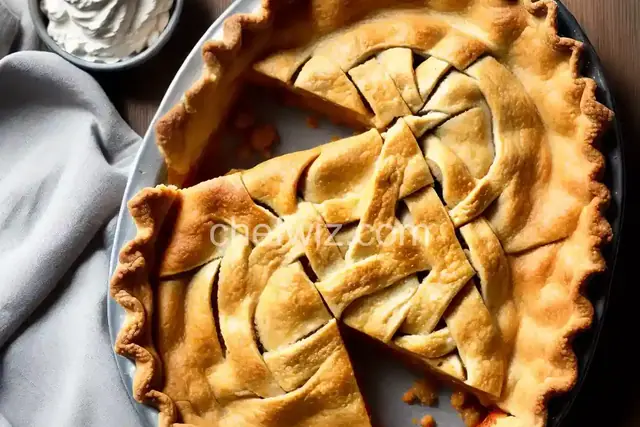
 When it comes to making a delicious pie, the crust is an essential component.
 By AprilPublished
 When it comes to making a delicious pie, the crust is an essential component.
In a mixing bowl, combine the shortening, flour, and salt using a fork or a pastry blender until the mixture becomes crumbly.
Gradually add water as needed to bring the mixture together, mixing lightly with a fork.
Place the mixture onto a floured pastry cloth and roll it out gently until it is about an inch larger than the size of the pie plate.
Carefully fold the rolled dough in half, lift it, and unfold it into the pie plate.
Press the dough into the pan. If making a single-crust pie, use a small knife to trim the excess dough to about 1/2 inch beyond the rim. Fold and pinch the dough so that the edge of the pie is slightly raised from the rim.
If making a two-crust pie, trim the bottom crust to the edge of the rim, fill the pie, and then place the top crust on the pie, making sure it is about 1/2 inch larger than the rim.
Tuck the top crust under the bottom crust along the rim and seal it with a floured fork.
When it comes to making a delicious pie, the crust is an essential component. A perfect crust can make or break your pie. It should be flaky, buttery, and have just the right amount of crunch. In this article, we will explore the art of making a pie crust that will have your taste buds dancing with joy.
Think of a pie crust as the foundation of a house. Without a solid foundation, the house will crumble. Similarly, without a good crust, your pie will fall apart. A well-made crust holds all the delicious filling together, adding texture and flavor to each bite.
One of the key characteristics of a great pie crust is its flakiness. When you bite into a pie, you want the crust to crumble and melt in your mouth. Achieving this flaky texture requires the right combination of ingredients and techniques. A good crust also has a buttery flavor that complements the filling.
A good pie crust strikes a balance between being tender and having the perfect crunch. It should be sturdy enough to hold the filling, but not too hard that it becomes difficult to cut through. When you take a bite, you want to hear that satisfying crunch that adds to the overall pie-eating experience.
Making a pie crust may seem intimidating, but with the right ingredients and techniques, anyone can create a masterpiece. Here are some tips to help you achieve pie crust perfection:
One of the secrets to a flaky crust is using cold butter. When the cold butter melts in the oven, it creates pockets of air, resulting in that sought-after flakiness. Make sure to cut the butter into small pieces and chill it in the refrigerator before using it in your dough.
When adding water to your dough, make sure it is ice-cold. Cold water helps keep the butter from melting too quickly and keeps the dough cold, resulting in a flakier crust. Add the water gradually, just until the dough comes together, being careful not to overmix.
Overworking the dough can lead to a tough crust. Mix the ingredients just until they come together. It's okay if there are some visible streaks of butter in the dough. These will contribute to the flakiness of the crust.
After you've made the dough, wrap it in plastic wrap and refrigerate it for at least an hour. Chilling the dough allows the gluten to relax and the flavors to meld together. It also makes the dough easier to roll out and prevents it from shrinking in the oven.
A great pie starts with a great crust. By following these tips and techniques, you can create a pie crust that will leave your friends and family in awe. Remember, practice makes perfect, so don't be discouraged if your first attempt isn't perfect. Keep experimenting and soon you'll be making pies that are the envy of all.
While margarine can be used as a substitute for butter, it may affect the flavor and texture of the crust. Butter is preferred for its rich taste and flakiness.
To prevent a soggy crust, try blind baking it before adding the filling. Blind baking involves pre-baking the crust without the filling to ensure it becomes crispy.
Yes, you can freeze pie crust dough. Wrap it tightly in plastic wrap and place it in a freezer bag. When ready to use, thaw it in the refrigerator overnight.
Yes, a food processor can be used to make the dough quickly. However, be cautious not to overmix the dough, as it can result in a tough crust.
To prevent the crust from shrinking, make sure to chill the dough before rolling it out. Additionally, avoid stretching the dough too much when transferring it to the pie dish.
Yes, you can use a gluten-free flour alternative. However, keep in mind that the texture and taste of the crust may differ from a traditional pie crust.
The baking time for a pie crust depends on the recipe and the filling. Follow the instructions provided in your pie recipe for the best results.
Yes, store-bought pie crust can be a convenient option. However, making your own crust allows for more customization and control over the final result.
AprilCook, recipe developer and the heart of Chefwiz. More about April