Pickling Liquid
Rate this recipeBe the first to rate
 By AprilPublished
 Have you ever wondered how certain dishes have a tangy and zesty flavor that keeps you coming back for more?
 By AprilPublished
 Have you ever wondered how certain dishes have a tangy and zesty flavor that keeps you coming back for more?
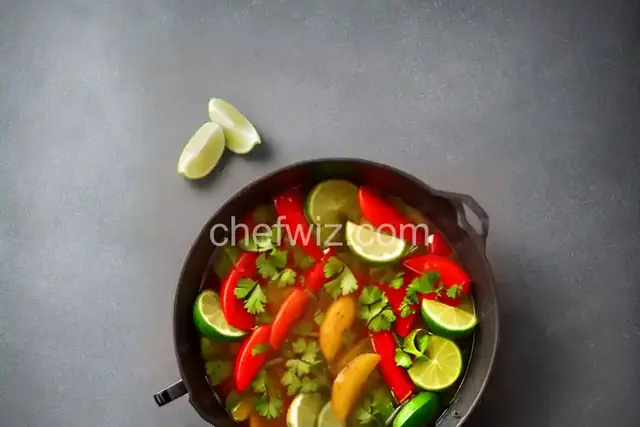
Combine all the ingredients in a saucepan that does not react with the ingredients.
Set the heat to high and wait for the mixture to come to a boil.
Once it starts boiling, lower the heat to medium and let it simmer for 30 minutes.
Remove the saucepan from the heat and allow the mixture to cool down completely.
Strain the liquid to remove any solid particles and transfer it into a container that can be sealed tightly.
Store the liquid in the airtight container for later use.
Have you ever wondered how certain dishes have a tangy and zesty flavor that keeps you coming back for more? The secret lies in the pickling liquid. This magical elixir adds depth and complexity to a wide range of foods, from vegetables to meats. In this article, we will explore the wonders of pickling liquid, its uses, and how to make your own to elevate your culinary creations.
Before we dive into the world of pickling liquid, let's understand what it is. Pickling liquid is a mixture of vinegar, water, sugar, and spices that is used to preserve and flavor ingredients. It acts as a brine, infusing the food with delightful tanginess and enhancing its natural flavors. The combination of acid from the vinegar, sweetness from the sugar, and aromatic spices creates a symphony of taste in every bite.
Pickling liquid is a versatile ingredient that can be used in various ways. Here are some popular uses:
Making your own pickling liquid is a simple and rewarding process. The key is to strike the right balance between acidity, sweetness, and spice. Here's a basic recipe to get you started:
Remember, pickling is an art, and you have the freedom to experiment with different flavor combinations. Whether you prefer a spicy kick or a subtle sweetness, the pickling liquid can be customized to suit your taste buds.
The pickling liquid is a secret weapon in the culinary world, adding depth and character to a variety of dishes. Whether you're pickling vegetables, marinating meats, or enhancing the flavor of your favorite recipes, the magical combination of vinegar, water, sugar, and spices creates a symphony of taste that tantalizes your palate. So, unleash your creativity and embark on a pickling adventure that will elevate your culinary delights to new heights!
Yes, you can reuse pickling liquid, but it's important to note that the flavors will become diluted with each use. It's best to reuse the liquid for similar ingredients or use it as a base for salad dressings or marinades.
Pickling liquid can be stored in the refrigerator for several months. However, over time, the flavors may change, so it's recommended to use it within 3-6 months for the best taste.
Absolutely! If you prefer a milder acidity, you can reduce the amount of vinegar in the pickling liquid or dilute it with water. Conversely, if you crave a tangier flavor, increase the vinegar content.
While vinegar is the traditional base for pickling liquid, you can experiment with other acids like lemon juice or lime juice. Just be mindful that the flavor profile will differ from traditional vinegar-based pickles.
Absolutely! Pickling is not limited to vegetables. Fruits like watermelon rinds, peaches, and even grapes can be pickled. The pickling liquid adds a unique twist to their natural sweetness.
The time required to pickle vegetables varies depending on the size and texture of the ingredients. Generally, small and thinly sliced vegetables can be pickled within a few hours, while larger and denser vegetables may take a few days.
Yes, you can adjust the sweetness by adding more or less sugar to the pickling liquid. Keep in mind that sugar not only adds sweetness but also helps balance the acidity of the vinegar.
It's not recommended to reuse pickling liquid from store-bought pickles as it may contain preservatives or other additives that can affect the flavor and safety of your homemade pickles.
AprilCook, recipe developer and the heart of Chefwiz. More about April