Pickled Watermelon and Watermelon Rind
Rate this recipeBe the first to rate
 By AprilPublished
 Have you ever wondered what to do with the excess watermelon rinds after enjoying the sweet, juicy flesh?
 By AprilPublished
 Have you ever wondered what to do with the excess watermelon rinds after enjoying the sweet, juicy flesh?
In a small saucepan, combine the vinegar, sugar, salt, and 4 cups of water. Heat over medium heat until it reaches a boil.
Place the coriander and peppercorns on a cutting board and lightly crush them using the bottom of a sturdy pan.
Add the crushed spices to the liquid in the saucepan.
Reduce the heat to low and let the mixture simmer for 5 minutes.
Taste the mixture to check the seasoning. It should have a balanced flavor of vinegar, sweetness, and a slight saltiness.
Turn off the heat and allow the mixture to cool slightly.
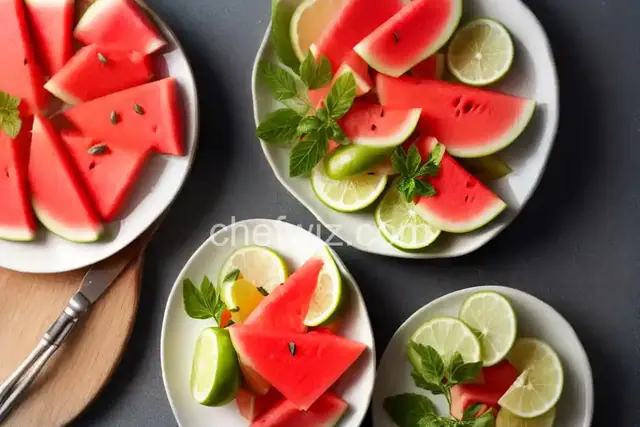
Fill a quart-size jar with watermelon cubes and a pint-size jar with rind pieces.
Pour the vinegar mixture over the watermelon cubes and rind in the jars.
Leave the jars uncovered at room temperature for 2 hours to cool.
Transfer the jars to the refrigerator and let them chill overnight, uncovered.
Once chilled, tightly cover the jars.
The pickles can be stored in the refrigerator for 2 to 3 weeks.
Have you ever wondered what to do with the excess watermelon rinds after enjoying the sweet, juicy flesh? Instead of tossing them in the compost bin, why not try pickling them? Pickled watermelon rinds are a delicious and tangy treat that can add a burst of flavor to your meals. In this article, we will dive into the world of pickled watermelon and watermelon rind, exploring their history, benefits, and how to make them at home. So let's get started!
Pickling fruits and vegetables has been a common practice for centuries, as it helps to preserve their flavors and extend their shelf life. Watermelon and its rind are no exception. The tradition of pickling watermelon rinds can be traced back to ancient China, where it was a popular delicacy enjoyed by the royal court.
Over time, the practice of pickling watermelon rinds spread to other parts of the world, including the United States. During the Civil War, pickled watermelon rinds became a staple food for soldiers due to their long shelf life and nutritional value. Today, pickled watermelon rinds are enjoyed in various cuisines around the world, adding a unique twist to traditional dishes.
Pickled watermelon and watermelon rind offer a range of benefits, making them a delicious and healthy addition to your diet. Here are some of the benefits:
Watermelon and its rind are packed with essential vitamins and minerals. Pickling them allows you to retain most of their nutritional value, making them a great source of vitamins A and C, potassium, and antioxidants.
The natural acids present in pickled watermelon and watermelon rind can aid in digestion and promote a healthy gut. They also contain fiber, which can help regulate bowel movements and prevent constipation.
Pickled watermelon and watermelon rind have a unique tangy and slightly sweet flavor that can enhance a wide range of dishes. They can be used as a condiment, added to salads, sandwiches, or even enjoyed on their own as a refreshing snack.
Now that we've explored the history and benefits of pickled watermelon and watermelon rind, let's dive into the process of making them at home. It's surprisingly simple and requires just a few ingredients. Here's a step-by-step guide:
Start by cutting off the green skin and any pink flesh from the watermelon rind. Cut the rind into bite-sized pieces or your preferred shape.
In a saucepan, combine vinegar, water, sugar, salt, and any desired spices. Bring the mixture to a boil, stirring until the sugar and salt dissolve completely. Let the brine cool for a few minutes.
Place the watermelon rind pieces into clean, sterilized jars. Pour the brine over the rind, making sure they are fully submerged. Seal the jars tightly and refrigerate for at least 24 hours to allow the flavors to develop.
Your pickled watermelon and watermelon rind are now ready to be enjoyed! Serve them as a side dish, add them to salads, or get creative with your own unique recipes.
Remember to store the pickled watermelon and watermelon rind in the refrigerator to maintain their freshness and flavor for a longer period.
Next time you enjoy a sweet and juicy watermelon, don't forget about the potential of the rind. Pickling watermelon rinds not only helps reduce food waste but also opens up a world of new flavors and textures. Whether you enjoy them as a tangy side dish or as a flavorful addition to your favorite recipes, pickled watermelon and watermelon rind are a delightful treat. So, why not give them a try and embark on a culinary adventure that will tickle your taste buds?
A1. Yes, pickled watermelon and watermelon rind are good for you. They are a great source of vitamins, minerals, and antioxidants.
A2. Yes, you can use any type of watermelon rind for pickling. Just make sure to remove the green skin and any pink flesh before pickling.
A3. Pickled watermelon and watermelon rind can last for several months when stored properly in the refrigerator.
A4. Yes, you can adjust the sweetness and tanginess of the pickling brine by adding more or less sugar and vinegar according to your taste preferences.
A5. Yes, you can reuse the pickling brine for future batches of pickled watermelon and watermelon rind. Just make sure to strain it and store it in a clean, sterilized jar.
A6. Yes, you can add spices or herbs to the pickling brine to enhance the flavor. Common additions include ginger, cloves, cinnamon, or chili flakes.
A7. While it is more common to pickle watermelon rind, you can also pickle watermelon flesh. Just make sure to remove the seeds before pickling.
A8. Yes, there are alternative methods for pickling watermelon and watermelon rind, such as fermentation or using different types of brine. Feel free to experiment and find the method that suits your taste preferences.
AprilCook, recipe developer and the heart of Chefwiz. More about April