Pickled Cheese
Rate this recipeBe the first to rate
 By AprilPublished
 Have you ever wondered what happens when you combine the creamy goodness of cheese with the tangy bite of pickles?
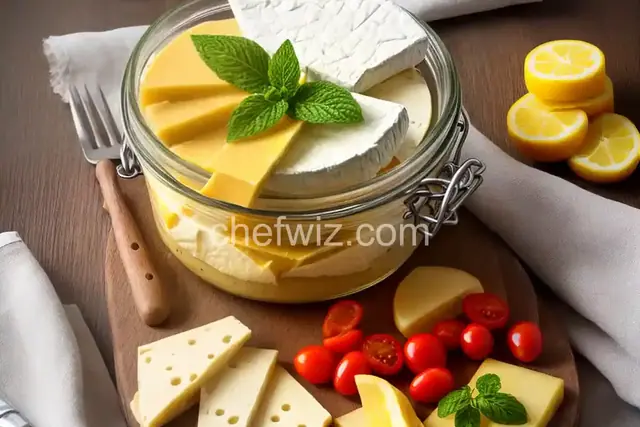 By AprilPublished
 Have you ever wondered what happens when you combine the creamy goodness of cheese with the tangy bite of pickles?
Begin by rinsing the feta cheese and gently drying it with paper towels.
Cut the feta cheese into half-inch cubes.
Take a 1-pint glass jar and start by placing a layer of the cheese cubes at the bottom.
Follow the layer of cheese with a layer of thyme.
Repeat the process of layering the cheese cubes and thyme until the jar is almost full.
In a separate bowl, whisk together the white wine vinegar and honey until well combined.
Pour the vinegar and honey mixture over the cheese cubes in the jar until it is filled to the top.
Securely screw the lid onto the jar.
Place the jar in the refrigerator and allow the cheese to marinate for at least one day.
Have you ever wondered what happens when you combine the creamy goodness of cheese with the tangy bite of pickles? Well, wonder no more, because pickled cheese is here to tantalize your taste buds and take your snacking game to a whole new level. In this article, we will explore the delightful world of pickled cheese, its origins, flavors, and why it has become a favorite among food enthusiasts.
Like many culinary innovations, the exact origins of pickled cheese are hazy and often debated. Some believe that it originated in the Mediterranean region, where the ancient Greeks and Romans were known to pickle various foods. Others claim that pickled cheese has its roots in Eastern Europe, where it was a popular method of preserving dairy products.
Regardless of its origins, pickled cheese has made its way into the hearts and stomachs of people all around the world. It has become a staple in many cuisines, adding a burst of flavor and texture to dishes.
Pickled cheese is a unique combination of two beloved ingredients: cheese and pickles. The cheese is soaked in a brine solution, often flavored with herbs, spices, or vinegar, giving it a tangy and zesty taste. The pickling process not only imparts a distinctive flavor but also changes the texture of the cheese, making it firmer and more crumbly.
Imagine taking a bite of pickled cheese - the tanginess hits your taste buds first, followed by the creamy richness of the cheese. It's like a dance of flavors in your mouth, a perfect balance between acidity and creaminess. The tangy twist adds a refreshing element to the cheese, making it a delightful treat for your palate.
Pickled cheese comes in a wide variety of flavors, each offering a unique taste experience. From classic dill pickles to spicy jalapenos, the options are endless. You can find pickled cheese infused with garlic, herbs, or even fruits like cranberries or figs. The flavors are as diverse as the imaginations of the food artisans who create them.
Whether you prefer a milder taste or crave something with a kick, there is a pickled cheese flavor out there for you. It's like a flavor adventure waiting to be explored, with each bite unveiling a new sensation.
Pickled cheese is a versatile ingredient that can be enjoyed in various ways. It can be served as a standalone snack, paired with crackers or bread. The tangy flavor of the pickled cheese adds a delightful contrast to the crunchiness of the crackers or the softness of the bread.
For those who love experimenting in the kitchen, pickled cheese can be incorporated into a wide range of recipes. It can be crumbled over salads, melted in sandwiches, or even used as a topping for pizzas. The possibilities are endless, limited only by your imagination.
Pickled cheese is a flavor-packed treat that combines the best of both worlds - the creaminess of cheese and the tanginess of pickles. Its origins may be shrouded in mystery, but its popularity is undeniable. The tangy twist adds a refreshing element to the cheese, making it a favorite among food enthusiasts.
Yes, you can! Making pickled cheese at home is a fun and rewarding culinary adventure. You can experiment with different flavors and create your own unique combinations.
Pickled cheese can last for several weeks if stored properly in an airtight container in the refrigerator. However, it is best enjoyed within a few days of pickling for optimal flavor and texture.
While most types of cheese can be pickled, firmer varieties like cheddar or gouda work best as they hold their shape and texture during the pickling process.
Pickled cheese offers the nutritional benefits of cheese, including calcium and protein. However, it is important to consume pickled cheese in moderation due to its higher sodium content.
Yes, pickled cheese can be enjoyed by people with dietary restrictions, as long as they choose a cheese variety that aligns with their dietary needs (e.g., lactose-free cheese for those with lactose intolerance).
Yes, there are vegan alternatives to pickled cheese available in the market. These alternatives are often made from plant-based ingredients like tofu or nuts.
While it is possible to freeze pickled cheese, the texture and flavor may be altered upon thawing. It is best to consume pickled cheese fresh for the best taste experience.
Pickled cheese can be found in specialty food stores, gourmet markets, and online. It is always a good idea to check with your local cheese shops or artisanal food producers for the best selection.
AprilCook, recipe developer and the heart of Chefwiz. More about April