Peruvian cuisine is known for its bold flavors and unique dishes that combine traditional indigenous ingredients with influences from Spanish, African, and Asian cuisines. One such dish that exemplifies the fusion of flavors in Peruvian cooking is Picante de Cuy Mentiroso, also known as Fibbing Guinea Pig.
What is Picante de Cuy Mentiroso?
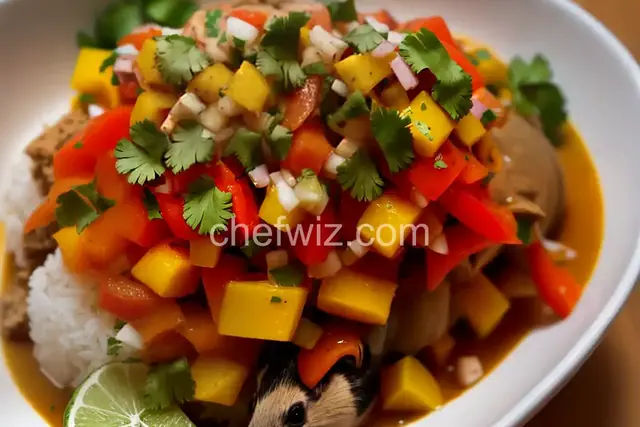
Picante de Cuy Mentiroso is a traditional Peruvian dish that features guinea pig as the main ingredient. Despite its unusual name, which translates to "Fibbing Guinea Pig," this dish does not actually contain any guinea pig meat. The name is a playful deception, as the dish is made using chicken instead of the small furry creature.
Originally, guinea pig was the star of this dish, but due to its limited availability and cultural sensitivities, chicken has become a popular substitute. The dish is typically prepared by marinating the chicken in a flavorful mixture of spices, herbs, and aji amarillo, a Peruvian yellow chili pepper. It is then cooked with onions, garlic, tomatoes, and a variety of aromatic spices to create a rich and spicy sauce.
The Flavors of Picante de Cuy Mentiroso
Picante de Cuy Mentiroso is a dish that showcases the vibrant flavors of Peruvian cuisine. The marinade, made with aji amarillo, cumin, oregano, and other spices, infuses the chicken with a fiery heat and a depth of flavor. The sauce, made with onions, garlic, tomatoes, and aji panca, another Peruvian chili pepper, adds a tangy and smoky element to the dish.
When served over a bed of fluffy white rice, Picante de Cuy Mentiroso creates a harmonious balance of textures and flavors. The tender chicken, the aromatic sauce, and the fluffy rice come together to create a truly satisfying and comforting meal.
The Cultural Significance of Picante de Cuy Mentiroso
In addition to being a delicious dish, Picante de Cuy Mentiroso holds cultural significance in Peru. Guinea pig, known as cuy, has been a staple food source in the Andean region for centuries. It is considered a delicacy and is often prepared for special occasions and celebrations.
While the use of chicken instead of guinea pig in Picante de Cuy Mentiroso may disappoint some purists, it allows the dish to be more accessible to a wider audience. By using a familiar protein like chicken, the dish introduces people to the flavors and techniques of Peruvian cuisine without any cultural barriers.
Frequently asked questions
- . Is Picante de Cuy Mentiroso a spicy dish?
Yes, Picante de Cuy Mentiroso is a spicy dish. The use of aji amarillo and aji panca, two Peruvian chili peppers, adds a fiery kick to the dish. However, the level of spiciness can be adjusted according to personal preference.
- . Can I use guinea pig instead of chicken?
While the traditional recipe calls for guinea pig, chicken is commonly used as a substitute due to its wider availability. However, if you can source guinea pig meat, you can certainly use it in the dish to experience the authentic flavors.
- . What can I serve with Picante de Cuy Mentiroso?
Picante de Cuy Mentiroso is typically served over white rice, which helps balance out the spiciness of the dish. You can also serve it with boiled potatoes or a side of fresh salad to complement the flavors.
- . Can I make Picante de Cuy Mentiroso vegetarian?
Yes, you can make a vegetarian version of Picante de Cuy Mentiroso by using tofu or tempeh as a substitute for the chicken. The marinade and sauce can be prepared in the same way, but the cooking time may vary.
- . Is Picante de Cuy Mentiroso a popular dish in Peru?
Yes, Picante de Cuy Mentiroso is a popular dish in Peru, especially in the Andean region where guinea pig is consumed. It is often prepared for special occasions and festivities.
- . Where can I find aji amarillo and aji panca?
Aji amarillo and aji panca can be found in Latin American grocery stores or online specialty food retailers. They may also be available in some larger supermarkets with a well-stocked international section.
- . Can I make Picante de Cuy Mentiroso ahead of time?
Yes, Picante de Cuy Mentiroso can be made ahead of time and reheated before serving. In fact, the flavors often develop and intensify after sitting for a day or two.
- . Are there any other traditional Peruvian dishes I should try?
Absolutely! Peruvian cuisine offers a wide range of delicious dishes to explore. Some other popular options include ceviche, lomo saltado, and causa. Each dish showcases unique flavors and ingredients that are sure to delight your taste buds.
In conclusion, Picante de Cuy Mentiroso, or Fibbing Guinea Pig, is a flavorful Peruvian dish that combines the spice of aji amarillo with the tanginess of aji panca. While it may not contain guinea pig meat as its name suggests, it still captures the essence of Peruvian cuisine. Whether you choose to use chicken or guinea pig, this dish is sure to impress with its bold flavors and cultural significance.
 By AprilPublished