Philadelphia Butter Cake Recipe
Rate this recipeBe the first to rate
 By AprilPublished
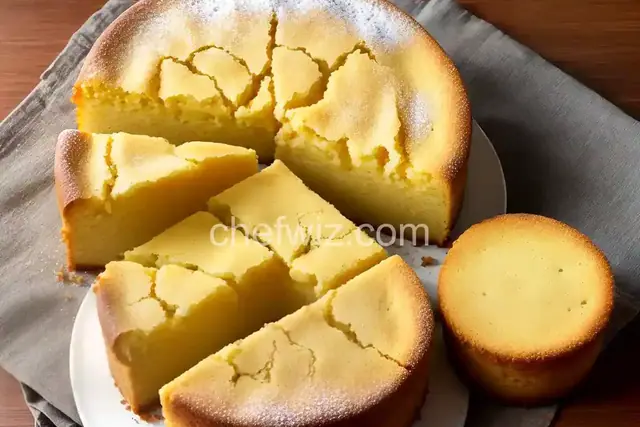
 Have you ever tasted a slice of heaven? Well, if you haven't tried Philadelphia Butter Cake, then you're in for a treat!
 By AprilPublished
 Have you ever tasted a slice of heaven? Well, if you haven't tried Philadelphia Butter Cake, then you're in for a treat!
In the bowl of a stand mixer fitted with the paddle attachment, combine sugar, butter, and salt on low speed.
Add an egg to the mixture and beat on medium speed for 1 minute.
In a small bowl, dissolve the yeast in warm milk.
Add flour to the egg/sugar mixture, followed by the yeast mixture and vanilla. Beat for about 3 minutes.
Turn the dough onto a lightly floured board and knead for 90 seconds.
Place the dough in a lightly greased bowl, cover with a towel, and allow it to rise until doubled in size (approximately 1 hour).
Towards the end of the rising period, prepare the topping. In a stand mixer fitted with the paddle attachment, cream the butter for about 2 minutes on medium speed until light and fluffy.
Add flour and sugar to the mixture, and continue beating on medium speed until fully combined.
Add eggs one at a time, allowing each to fully incorporate before adding the next.
Add vanilla and gradually add milk, one tablespoon at a time, until desired consistency is reached.
Grease or line a 9- by 13-inch aluminum pan with parchment paper.
Once the dough has doubled in size, punch it down and remove it from the bowl.
Pat the dough into the bottom of the prepared pan, crimping the edges halfway up the sides.
14.
Have you ever tasted a slice of heaven? Well, if you haven't tried Philadelphia Butter Cake, then you're in for a treat! This delectable dessert has been a favorite among cake enthusiasts for generations. The combination of rich, buttery flavor and a soft, moist texture is simply irresistible. In this article, we'll take a closer look at the history of Philadelphia Butter Cake and why it has stood the test of time.
Philadelphia Butter Cake can be traced back to the early 19th century when German immigrants settled in the Philadelphia region. These settlers brought with them their traditional recipes, including the famous Butterkuchen. Over the years, this recipe evolved and adapted to local tastes, giving birth to the beloved Philadelphia Butter Cake we know today.
What makes Philadelphia Butter Cake stand out from other cakes? The answer lies in its unique texture and flavor profile. Unlike traditional cakes, which are typically light and fluffy, Philadelphia Butter Cake is denser and richer. It's almost like a cross between a cake and a pastry, with a buttery crumb that melts in your mouth.
Imagine sinking your teeth into a slice of warm, buttery goodness. The sweet aroma wafts through the air as you take your first bite, and the flavors dance on your taste buds. It's a sensory experience like no other.
So, what's the secret behind the irresistible taste of Philadelphia Butter Cake? It all comes down to one crucial ingredient - butter. Lots and lots of butter. The butter is generously spread on top of the dough, creating a rich, caramelized topping that adds an extra layer of indulgence.
Philadelphia Butter Cake is incredibly versatile and can be enjoyed in various ways. Some people prefer to savor it on its own, allowing the buttery goodness to take center stage. Others like to pair it with a scoop of vanilla ice cream or a dollop of whipped cream for a truly decadent treat. No matter how you choose to enjoy it, one thing is for sure - you won't be able to resist going back for seconds.
Philadelphia Butter Cake is a timeless classic that continues to captivate dessert lovers around the world. Its rich, buttery flavor and dense, moist texture make it a true indulgence. Whether you enjoy it on its own or dress it up with toppings, this cake is guaranteed to satisfy your sweet tooth. So, why wait? Treat yourself to a slice of Philadelphia Butter Cake today and experience pure bliss.
Yes, you can freeze Philadelphia Butter Cake. Simply wrap it tightly in plastic wrap or place it in an airtight container before freezing. When you're ready to enjoy it, let it thaw at room temperature for a few hours.
While you can technically substitute margarine for butter, it's important to note that it will affect the overall flavor and texture of the cake. Butter is the key ingredient that gives Philadelphia Butter Cake its distinct taste, so it's best to stick with the real deal.
Philadelphia Butter Cake can be stored at room temperature for up to three days. If you want to extend its shelf life, you can refrigerate it for up to a week. Just make sure to wrap it tightly to prevent it from drying out.
Absolutely! While Philadelphia Butter Cake is delicious on its own, you can get creative with toppings. Some popular choices include powdered sugar, chopped nuts, or a drizzle of chocolate sauce. Let your imagination run wild!
Without a doubt! Philadelphia Butter Cake is a crowd-pleaser and makes a fantastic addition to any celebration. Whether it's a birthday, anniversary, or holiday gathering, this cake is sure to impress your guests.
Absolutely! In fact, Philadelphia Butter Cake tastes even better the next day as the flavors have had time to meld together. You can bake it a day ahead and store it in an airtight container at room temperature.
The recipe for Philadelphia Butter Cake typically calls for all-purpose flour. While you can experiment with different types of flour, keep in mind that it may alter the texture and taste of the final product. All-purpose flour works best for achieving the perfect balance of lightness and density.
Yes, you can make a vegan version of Philadelphia Butter Cake by substituting eggs with a suitable egg replacer, such as applesauce or mashed bananas. However, keep in mind that the texture and flavor may differ slightly from the traditional recipe.
AprilCook, recipe developer and the heart of Chefwiz. More about April