Pesto alla Genovese
Rate this recipeBe the first to rate
 By AprilPublished
 Have you ever tasted the vibrant flavors of Italy? The rich aroma of basil, the nutty goodness of pine nuts, and the sharp tang of Parmigiano-Reggiano cheese?
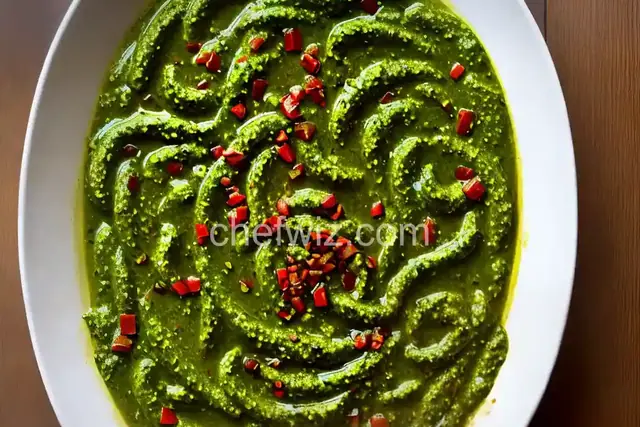 By AprilPublished
 Have you ever tasted the vibrant flavors of Italy? The rich aroma of basil, the nutty goodness of pine nuts, and the sharp tang of Parmigiano-Reggiano cheese?
In a food processor, combine basil, salt, and pepper. Process until basil is chopped.
Add cheese, pine nuts, and garlic to the food processor.
While the processor is running, slowly pour in the oil until a mostly smooth sauce is formed.
Transfer the pesto to a separate bowl and set aside.
(Optional) If making in advance, store the pesto in an airtight container in the refrigerator. Cover the top with a thin layer of olive oil to prevent darkening. Pesto can also be frozen in small quantities for later use.
Bring a large pot of salted water to a boil.
Cook the pasta according to the package directions until al dente.
Drain the pasta, saving 1/4 cup of the cooking liquid.
In a large bowl, toss the cooked pasta with the prepared pesto.
If the pasta seems dry, add a little of the reserved cooking liquid.
Serve the pasta with pesto immediately.
Have you ever tasted the vibrant flavors of Italy? The rich aroma of basil, the nutty goodness of pine nuts, and the sharp tang of Parmigiano-Reggiano cheese? If you're a fan of Italian cuisine, you've likely encountered one of its most beloved and versatile sauces - Pesto alla Genovese. This green elixir has been delighting taste buds for centuries and is a staple in kitchens around the world. Let's dive into the origins, ingredients, and uses of this classic Italian sauce.
Legend has it that Pesto alla Genovese originated in Genoa, a charming coastal city in northern Italy. The word "pesto" comes from the Italian verb "pestare," which means to crush or pound. Traditionally, pesto was made by grinding ingredients together using a mortar and pestle, resulting in a sauce with a rustic texture and vibrant color.
Pesto alla Genovese is a simple yet powerful blend of fresh basil leaves, garlic, pine nuts, Parmigiano-Reggiano cheese, and extra virgin olive oil. The key to its distinct taste lies in using high-quality ingredients. The aromatic basil adds a refreshing touch, while the garlic provides a subtle pungency. The pine nuts bring a delicate nuttiness to the sauce, and the Parmigiano-Reggiano cheese contributes a rich and savory flavor. Finally, the extra virgin olive oil binds all the ingredients together, creating a smooth and luscious texture.
Pesto alla Genovese is not just limited to pasta dishes. It is a versatile sauce that can elevate a wide range of culinary creations. Mix it with mayonnaise to create a delicious spread for sandwiches or wraps. Use it as a dip for bread, crackers, or fresh vegetables. Spread it on pizza as a flavorful alternative to traditional tomato sauce. The possibilities are endless, and the vibrant green hue adds a touch of elegance to any dish.
Since Pesto alla Genovese relies on fresh basil leaves, it's essential to store it correctly to preserve its vibrant flavors. To prevent oxidation, transfer the pesto to a jar and cover the surface with a layer of olive oil. This will create a barrier between the sauce and the air, keeping it fresh for longer. Alternatively, you can freeze pesto in ice cube trays, allowing you to thaw individual portions whenever needed.
Pesto alla Genovese is a culinary gem that brings the flavors of Italy to your kitchen. Whether you're a pasta lover or an adventurous foodie, this versatile sauce is sure to delight your taste buds. Its vibrant green color, aromatic basil, and nutty undertones make it a true delight. So, why not try making your own batch of Pesto alla Genovese and embark on a culinary journey to the beautiful streets of Genoa?
Traditional Pesto alla Genovese contains Parmigiano-Reggiano cheese, which is made from animal rennet. However, you can easily make a vegan version by omitting the cheese or using a vegan alternative.
Absolutely! While using a mortar and pestle is the traditional method, a blender or food processor can achieve similar results in a fraction of the time.
When stored properly in the refrigerator, homemade pesto can last up to a week. Remember to cover the surface with olive oil to prevent oxidation.
Yes, feel free to experiment with different nuts like walnuts or almonds. Each nut will bring a unique flavor profile to the pesto.
Aside from pasta, you can drizzle pesto over grilled vegetables, use it as a marinade for chicken or fish, or even mix it into mashed potatoes for a burst of flavor.
Yes, Pesto alla Genovese is naturally gluten-free, making it a suitable choice for those with gluten sensitivities or celiac disease.
While fresh basil is the preferred choice for its vibrant flavor, you can use dried basil in a pinch. However, the taste may be slightly different.
Pesto alla Genovese is made with fresh basil, while Pesto Rosso, also known as red pesto, is made with sun-dried tomatoes, garlic, and almonds.
AprilCook, recipe developer and the heart of Chefwiz. More about April