Peruvian Chicha Morada Drink
Rate this recipeBe the first to rate
 By AprilPublished
 Have you ever wondered what makes Peruvian cuisine so unique and flavorful?
 By AprilPublished
 Have you ever wondered what makes Peruvian cuisine so unique and flavorful?
Heat the water in a large pot until it boils.
Add the corn, cinnamon sticks, and cloves to the boiling water.
Reduce the heat to medium-low and let it simmer for 40 minutes.
Remove the pot from the heat and strain the mixture through a mesh strainer to remove the corn and spices.
Stir in the lemon juice and sugar until the sugar has completely dissolved.
Refrigerate the chicha until it is cold.
Before serving, add the chopped pineapple and apple to the chilled chicha.
Serve the chicha over ice.
Have you ever wondered what makes Peruvian cuisine so unique and flavorful? One of the answers lies in the refreshing and vibrant Peruvian Chicha Morada drink. This traditional beverage is not only a delicious treat but also a cultural symbol that connects generations of Peruvians. In this article, we will dive into the fascinating world of Chicha Morada, exploring its origins, ingredients, and the intricate process of making it.
Chicha Morada has a rich history that dates back to the Inca Empire in ancient Peru. It was originally made from purple corn, known as maiz morado, which was highly regarded for its unique color and health benefits. The Incas believed that this corn had magical properties and used it to make a variety of dishes and beverages. Over time, Chicha Morada became a staple in Peruvian cuisine, with each family adding their own twist to the recipe.
To make Chicha Morada, you will need a few key ingredients that give it its distinct flavor and vibrant color. The star ingredient is, of course, the purple corn. It is boiled with water and infused with a blend of aromatic spices such as cinnamon, cloves, and pineapple peel. These spices add depth and complexity to the drink, creating a symphony of flavors that are both comforting and refreshing. To balance the sweetness, a touch of lime juice is added, providing a tangy kick.
The process of making Chicha Morada is fairly simple, but it requires time and patience to extract the flavors from the ingredients. The purple corn is first rinsed and then boiled with water and the spices until the liquid turns a deep purple color. Once the mixture has cooled down, it is strained to remove any solids, leaving behind a smooth and velvety liquid. Finally, the lime juice is added to brighten the flavors and enhance the overall taste.
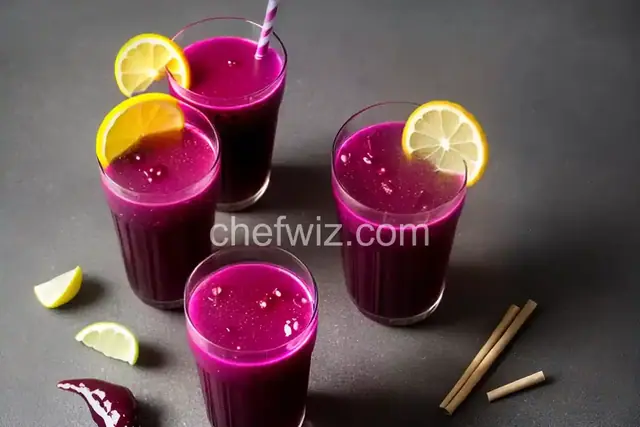
Chicha Morada is best enjoyed chilled, served over ice with a slice of fresh pineapple or a squeeze of lime. Its vibrant purple hue and refreshing taste make it the perfect beverage to quench your thirst on a hot summer day. Whether you are sipping it at a traditional Peruvian restaurant or making it at home, Chicha Morada will transport your taste buds to the colorful streets of Peru.
Chicha Morada is more than just a drink; it is a testament to the rich cultural heritage of Peru. Its vibrant color, tantalizing aroma, and refreshing taste make it a beloved beverage for Peruvians and a delightful discovery for those who venture into the world of Peruvian cuisine. So why not embark on a culinary adventure and try making Chicha Morada in your own kitchen? Let the flavors transport you to the heart of Peru, where tradition and innovation meet in a symphony of taste.
No, Chicha Morada is a non-alcoholic beverage made from purple corn.
While purple corn is the traditional ingredient, you can substitute it with regular corn if purple corn is not available.
The spices in Chicha Morada add depth and complexity to the drink, enhancing its flavors and aroma.
While pineapple is commonly used, you can experiment with other fruits like apple or pear to add your own twist to the recipe.
Chicha Morada can be stored in the refrigerator for up to three days.
Yes, you can adjust the sweetness to your liking by reducing or omitting the sugar in the recipe.
Yes, Chicha Morada is deeply rooted in Peruvian culture and is often enjoyed during festivals and special occasions.
Yes, Chicha Morada has gained popularity worldwide and can be found in Peruvian restaurants and specialty stores.
AprilCook, recipe developer and the heart of Chefwiz. More about April