Persian Rice
Rate this recipeBe the first to rate
 By AprilPublished
 When it comes to rice, there are countless varieties and preparations that have captured the hearts and taste buds of people around the world.
 By AprilPublished
 When it comes to rice, there are countless varieties and preparations that have captured the hearts and taste buds of people around the world.
In a pot, bring water and kosher salt to a boil.
Add rice to the boiling water and cook for exactly 7 minutes, stirring constantly.
Drain the cooked rice.
Heat olive oil in a pot over medium-high heat.
Spread a single layer of potato slices on the bottom of the pot.
Sprinkle cumin and salt over the potatoes.
Cook the potatoes until they start sizzling, which takes about 2 to 3 minutes.
Place the cooked rice on top of the potatoes to form an even layer.
Reduce the heat to low and place slices of butter over the rice.
Cover the pot with clean paper towels.
Put the lid on top of the paper towels.
Steam the rice for approximately 45 minutes or until it becomes fluffy.
Use a mortar and pestle to grind saffron threads.
In a large bowl, mix the crushed saffron with 1 1/2 tablespoons of hot water.
Take a few spoonfuls of rice and add it to the saffron mixture, stirring until the rice turns yellow.
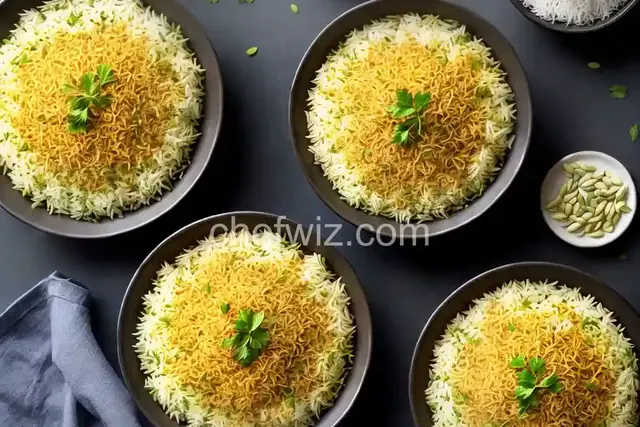
Spoon the remaining rice into a serving bowl.
Top the rice with the saffron-infused rice.
Arrange potato slices along the edges of the bowl as a garnish.
Sprinkle parsley on top for additional garnish.
Optionally, you can
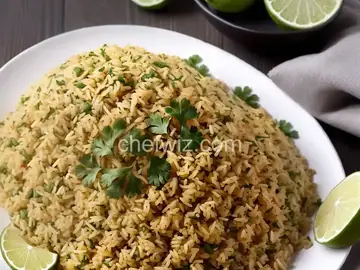
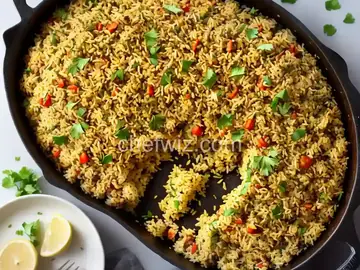
When it comes to rice, there are countless varieties and preparations that have captured the hearts and taste buds of people around the world. One such preparation that stands out for its unique flavor and texture is Persian rice. Known for its fluffy grains and crispy bottom layer, Persian rice is a culinary delight that is worth savoring.
What makes Persian rice so special? The secret lies in the cooking technique. Unlike traditional methods where rice is boiled in water until fully cooked, Persian rice is first soaked and then parboiled. This process not only ensures that each grain is cooked to perfection but also helps create the sought-after crispy bottom layer, known as tahdig.
Think of Persian rice as a symphony of flavors and textures. The fluffy grains melt in your mouth, while the golden tahdig adds a delightful crunch. It's a culinary experience that will transport your taste buds to the vibrant streets of Iran.
One of the highlights of Persian rice is the tahdig. This golden crust is formed by carefully layering the bottom of the pot with a mixture of rice, oil, and sometimes yogurt or saffron. As the rice cooks, the bottom layer crisps up, creating a caramelized, crunchy delight that is a perfect complement to the tender grains. It's like discovering buried treasure in every bite!
Creating the perfect tahdig requires a delicate balance of technique and patience. The key is to cook the rice over low heat, allowing the bottom layer to slowly develop its golden crust without burning. It's a labor of love that requires attention to detail and a keen eye, but the end result is well worth the effort.
While Persian rice is a flavorful dish on its own, it is often served as a side dish alongside a variety of other dishes. From aromatic stews like Ghormeh Sabzi to succulent kebabs, Persian cuisine offers a plethora of options to pair with this versatile rice. The combination of flavors and textures creates a harmonious meal that will leave you craving for more.
Persian rice is a gateway to the rich and diverse culinary tradition of Iran. Just like the nation itself, Persian cuisine is a melting pot of influences from the Middle East, Central Asia, and beyond. Every bite tells a story, and every flavor is a testament to the vibrant history and culture of the region.
So, the next time you're in the mood for a culinary adventure, why not try your hand at preparing Persian rice? With its fluffy grains and crispy bottom layer, it's a dish that will transport you to the heart of Iran without leaving your kitchen. Bon appétit!
Persian rice is more than just a delicious dish; it's a cultural experience that brings people together through food. From the fluffy grains to the crispy tahdig, every bite is a journey to the vibrant streets of Iran. So, why not embark on this culinary adventure and savor the flavors of Persian rice? Your taste buds will thank you.
Yes, you can use different types of rice, but long-grain varieties like Basmati or Jasmine are commonly used for their fluffy texture.
To achieve the perfect fluffy texture, soak the rice in cold water for at least 30 minutes before cooking. This helps loosen the starch and allows the grains to separate easily.
Oil is an essential ingredient in creating the crispy tahdig. However, you can experiment with other oils or even butter to add different flavors to the dish.
Yes, Persian rice is naturally gluten-free, making it a great choice for individuals with gluten sensitivities or dietary restrictions.
Absolutely! While a rice cooker can make the process more convenient, you can achieve excellent results using a stovetop pot as well. Just make sure to monitor the heat and follow the soaking and parboiling steps carefully.
Yes, you can add spices like saffron or herbs like dill to infuse additional flavors into the rice. Experiment with different combinations to find your favorite variation.
To prevent the rice from sticking to the pot, make sure to rinse it thoroughly before cooking. Additionally, adding a layer of oil or butter to the bottom of the pot can help create a non-stick surface.
Absolutely! Leftover Persian rice can be easily reheated in the microwave or on the stovetop. To preserve its texture, sprinkle a little water over the rice before reheating.
AprilCook, recipe developer and the heart of Chefwiz. More about April